 Bellingham
 Fiber Cement Siding for Cordata Homes
Cordata sits in north Bellingham, close enough to the water and the marine weather patterns that move through Whatcom County that siding here takes a real beating over the life of a house. Between the salt-tinged air that drifts in off the Sound, driving rain that comes in sideways during winter storms, and a moss season that can stretch from October through May, exterior cladding in this part of Whatcom County has to work harder than siding in a dry inland climate. We install fiber cement siding specifically for this environment, and specifically for Cordata's mix of newer subdivisions, older ranch-style homes, and everything in between.
This page is about one service in one neighborhood: fiber cement siding installation and replacement for Cordata homeowners. Not a general siding overview — what your house actually needs, what a correct install looks like, and how we run the job from first estimate to final walkthrough.
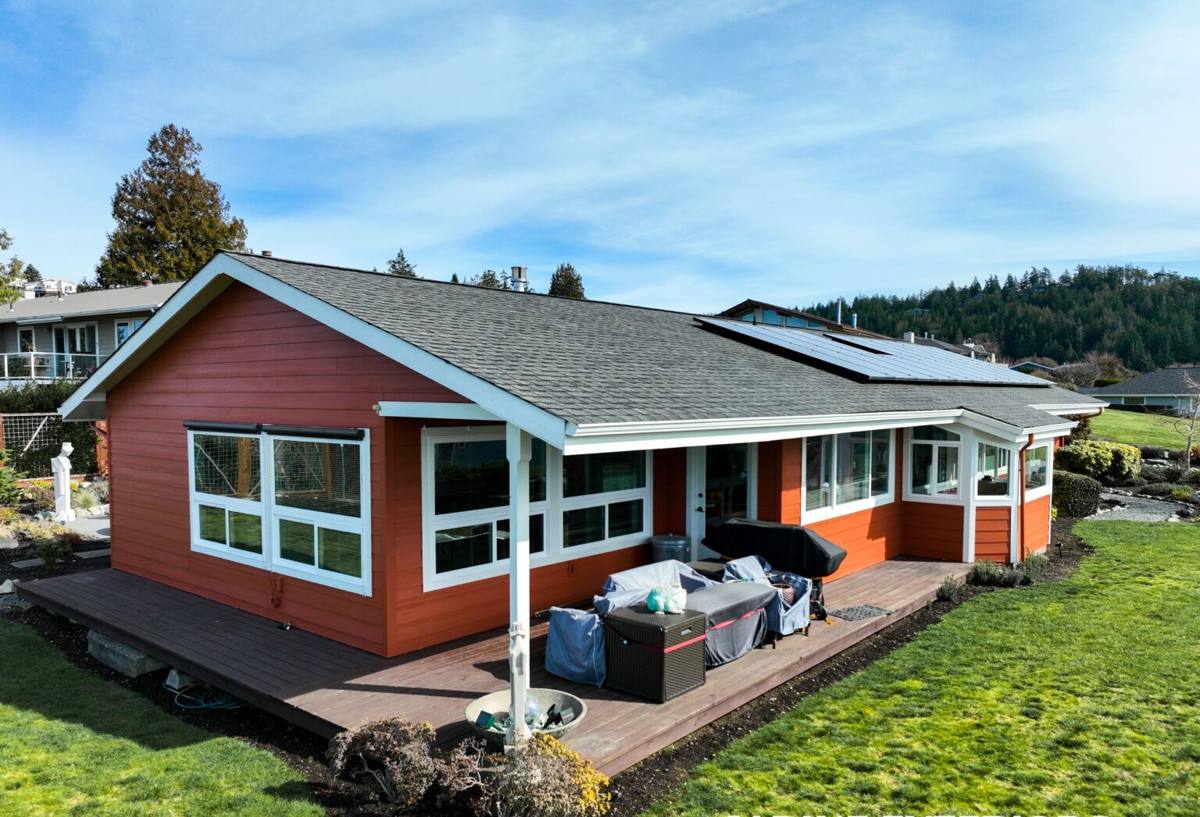
Why Cordata's Climate Wears Out the Wrong Siding Fast
Every siding material handles moisture differently, and that difference matters more here than it would in a drier region. A few things stack up against exterior walls in this part of Bellingham:
- Sustained damp periods. Long stretches of overcast, drizzly weather keep siding surfaces wet longer than a quick rainstorm followed by sun. Materials that absorb moisture, or that trap it behind them, stay saturated for days at a time.
- Moss and algae growth. Shaded north-facing walls, roof lines that shed onto siding, and mature landscaping common in Cordata's residential streets all create the damp, low-light conditions moss loves. Once moss or algae gets a foothold on a porous or textured surface, it holds moisture against the wall even longer.
- Salt-influenced air. Proximity to Bellingham Bay means the air carries more salt than an inland town would see. Salt accelerates corrosion of fasteners and metal trim, and it can degrade some coatings and caulks faster than manufacturers' standard warranties anticipate.
- Wind-driven rain. Storms off the water don't just fall straight down — they push rain sideways into wall assemblies, seams, and butt joints. Any siding system with weak flashing details or gaps in the water-resistive barrier will eventually leak.
Wood-based and OSB-based siding products are the most vulnerable to this combination. Vinyl doesn't rot, but it warps, fades, and can crack in cold snaps, and it does nothing to stop moss from colonizing the surface. Fiber cement — specifically James Hardie's engineered product line — is manufactured to resist moisture absorption, hold paint and factory finish far longer, and stand up to the freeze-thaw and wet-dry cycling that defines a Whatcom County winter.
What a Correct Fiber Cement Installation Actually Involves
Fiber cement siding is only as good as the installation behind it. The board itself is durable, but most siding failures we see on older homes in this area trace back to installation shortcuts, not the material. A correct job includes:
Water Management First
Before a single board goes up, the wall needs a properly lapped weather-resistive barrier, correctly flashed windows and doors, and drip caps or Z-flashing at every horizontal transition — roof lines, decks, trim boards. This is the layer that actually keeps water out; the siding is the second line of defense, not the only one.
Fastening and Clearances
James Hardie specifies exact nailing patterns, fastener types, and minimum clearances from grade, roof lines, decks, and other siding terminations. Skipping these — over-driving nails, fastening too close to panel edges, or letting siding sit too close to soil or a walkway — is one of the most common causes of premature failure and voided warranty coverage.
Joint and Seam Treatment
Butt joints, corners, and penetrations (hose bibs, vents, light fixtures) are where wind-driven rain finds its way in. Correct installation uses factory-recommended sealants at the right joints only — Hardie's system is actually designed with some joints meant to stay unsealed and shingled, so caulking everything is a mistake, not a safety margin.
Local Code and Wind Exposure
Whatcom County's building code and the wind exposure common to north Bellingham factor into fastening schedules and trim details. A crew that installs in this specific area regularly knows what inspectors here expect and builds to it the first time.
James Hardie Product Lines We Install
We install James Hardie fiber cement exclusively — we don't offer vinyl, LP SmartSide, cedar, or primed spruce alternatives. That's a deliberate standard, not a limited catalog. Hardie's HZ5 product formulation is engineered specifically for the kind of wet, temperate marine climate Whatcom County sits in, and the ColorPlus factory finish holds color and resists the moss and mildew staining that plain paint struggles with here.
| Product | Best Use | Why It Fits Cordata |
|---|---|---|
| HardiePlank Lap Siding | Most common wall application, all home styles | Engineered profile sheds water off each course; wide range of ColorPlus finishes |
| HardieShingle | Accent gables, Craftsman and cottage-style homes | Textured look without the moisture absorption of real cedar shingle |
| HardiePanel Vertical Siding | Modern facades, porch ceilings, accent walls | Clean lines with the same moisture and impact resistance as lap siding |
| HardieTrim | Corners, window and door surrounds, fascia | Won't rot or attract moss the way wood trim does at joints and end grain |
Our Process From Estimate to Finished Job
We keep the process straightforward and give you a clear picture of scope before any work starts:
- On-site assessment. We walk the exterior, check for existing moisture damage, moss buildup, and any rot in the sheathing or trim that needs addressing before new siding goes on.
- Written estimate. You get a scope of work and price broken down by material, labor, and any repair work uncovered during the walk-through — no vague lump sums.
- Tear-off and inspection. Once old siding comes off, we inspect the sheathing and water-resistive barrier underneath. This is often where hidden moisture damage from the previous siding system shows up.
- Repair and prep. Any damaged sheathing gets replaced and the weather barrier gets corrected before new siding goes up — not covered over.
- Installation to spec. Fastening, clearances, flashing, and joint treatment follow James Hardie's published installation guidelines, not shortcuts.
- Final walkthrough. We go over the finished job with you and address anything before we call it done.
Signs Your Current Siding Is Already Behind
- Persistent moss or dark streaking that comes back within weeks of cleaning
- Soft or spongy spots when you press on the siding, especially near the bottom courses
- Visible warping, buckling, or gaps opening at seams
- Peeling or bubbling paint that keeps recurring in the same spots
- Rising utility bills alongside noticeably colder rooms near exterior walls
Cost Factors for Fiber Cement Siding in Cordata
Every home is different, so we don't publish flat per-square-foot pricing — but these are the variables that actually move the number on a real estimate:
| Factor | Why It Matters |
|---|---|
| Home size and wall complexity | More corners, gables, and dormers mean more cutting, trim, and labor time |
| Condition of existing sheathing | Rot or moisture damage found during tear-off adds repair scope |
| Product line and profile | Lap siding, shingle-style, and panel systems price differently, as do plank widths and textures |
| Trim and accent scope | Full HardieTrim packages around windows, corners, and fascia add material and labor |
| Access and site conditions | Steep grades, tight setbacks, or landscaping close to the walls can add setup time |
Maintenance After Installation
Fiber cement isn't zero-maintenance, but it's far less demanding than wood in this climate. A rinse-down once or twice a year to knock off pollen and early moss growth, prompt attention to any caulking that separates at trim joints, and keeping gutters clear so water doesn't sheet directly down the wall will keep a correctly installed system looking right for decades. ColorPlus finishes hold their color well without repainting on the schedule wood siding demands, which matters in a climate where a fresh paint job doesn't stay fresh for long.
Why Hire a Crew That Already Works in Cordata
Siding crews that mostly work drier, inland climates don't always account for how much water management matters here. A contractor who regularly installs in north Bellingham and greater Whatcom County already knows the flashing details that matter in a marine climate, the fastening adjustments that hold up to wind-driven rain, and what local building inspectors expect to see. That familiarity shows up in fewer callbacks and a job that's still performing the way it should ten and twenty years out, not just at the final walkthrough.
We install James Hardie fiber cement exclusively because it's the product we're willing to stand behind in this climate. If you're weighing a siding replacement or new installation in Cordata, we're happy to walk your home, point out what we see, and put together a free, no-pressure estimate — no obligation either way.