 Bellingham
 Windows Built for South Hill's Particular Kind of Weather
South Hill sits up above downtown Bellingham with open exposure toward the bay, which means homes here catch wind and weather that lower, more sheltered neighborhoods don't see as directly. Add in Whatcom County's long wet season and you get a specific combination of stressors on windows: salt-laden air off the water, driving rain that hits glass and trim at an angle instead of straight down, and months of low sun and shade where moss and mildew get a real foothold. A window that's fine in a dry inland climate can fail here in half the time if it wasn't installed with this specific exposure in mind.
We work on window projects throughout South Hill's mix of older homes and updated properties, and the pattern we see is consistent: the glass usually isn't the problem. It's the flashing, the sealant, the sill detailing, and the frame material that give out first. Custom windows done right for this neighborhood means designing the whole installation around that reality, not just picking a window off a shelf and caulking around the edges.
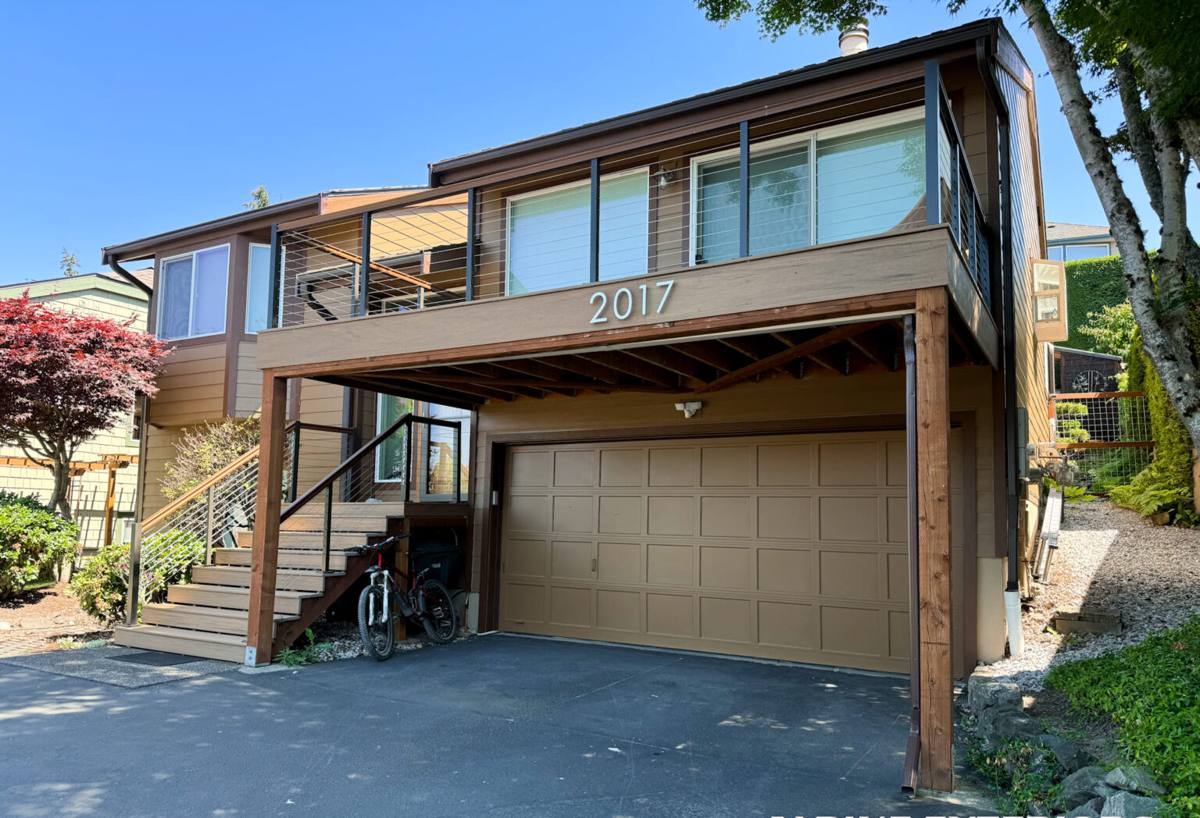
The Three Things Working Against Your Windows Here
Salt Air
Even a mile or more from the water, airborne salt travels on the wind and settles on exterior surfaces. Over years, it accelerates corrosion on hardware, fasteners, and unprotected metal components, and it can degrade certain finishes faster than manufacturers' standard warranty testing accounts for. This is why frame material and hardware finish matter more here than in a landlocked climate.
Driving Rain
Wind off the bay doesn't just drop rain on your roof, it pushes it sideways into vertical wall assemblies and window openings. A window opening that relies on caulk alone to keep water out will eventually leak, because wind-driven rain finds gaps that vertical rain never would. Proper installation needs mechanical water management, not just sealant.
Moss Season
Whatcom County's wet stretch runs long, and shaded exterior surfaces stay damp for extended periods. Moss and mildew take hold on sills, trim, and cladding around windows, holding moisture against wood and paint. On older wood-framed windows especially, this is a slow but steady path to rot if the surfaces aren't sealed, sloped, and ventilated correctly.
What a Correctly Installed Window Actually Involves
A window is only as good as the opening it sits in. This is the part homeowners rarely see, and it's the part that determines whether a window lasts fifteen years or thirty in this climate.
- Sill pan flashing so any water that does get past the window has a sealed path back outside instead of soaking into the framing below.
- Proper head flashing above the window to direct rain away from the top of the opening before it ever reaches the seams.
- Correctly lapped weather-resistive barrier integrated with the flashing, so water sheds downward and outward the way it's supposed to, shingle-style.
- Backer rod and quality sealant at the right joints, sized correctly, not just a bead of caulk smeared around the trim.
- Shimming and squaring so the sash operates smoothly and the seal around the frame stays even, without the pinch points that cause early wear on weatherstripping.
- Insulation in the gap between the window frame and the rough opening, so you're not left with an air gap that undercuts the window's own energy performance.
Skip any of these steps and the window itself can be excellent quality and still leak, still fog between panes, still let cold air in around the frame. This is the single biggest difference between a window that's installed and a window that's installed correctly.
Choosing a Frame Material for This Environment
There's no single "best" window material for every home, but in a salt-air, high-rain environment, some tradeoffs matter more than they would elsewhere. Here's how the common options stack up for South Hill's conditions specifically.
| Frame Material | Salt Air Resistance | Maintenance | Best Fit |
|---|---|---|---|
| Vinyl | Good — won't corrode, but check hardware quality | Low — occasional cleaning | Budget-conscious replacements, rentals, additions |
| Fiberglass | Excellent — very stable, resists warping | Low | Long-term durability, larger custom sizes |
| Wood-clad (exterior-clad, wood interior) | Good on the clad side; interior wood needs interior climate control | Moderate — trim and sealant checks | Historic character homes wanting a wood interior look |
| Solid wood, unclad | Poor without diligent upkeep — exposed to salt and moisture directly | High — regular painting/sealing required | Strict historic restoration where cladding isn't an option |
| Aluminum | Fair — needs a quality anodized or powder-coat finish to resist corrosion | Low | Modern, narrow-sightline designs |
We don't push one material on every job. A lot of it comes down to how exposed your specific elevation is, whether you're matching an existing historic look, and how much upkeep you actually want to do. We'll walk through the real tradeoffs with you rather than defaulting to whatever's easiest to install.
Matching Windows to South Hill's Older Home Character
South Hill has a good number of older homes with real architectural character — divided-light patterns, specific sash proportions, trim profiles that were common decades ago. When we replace windows on a home like this, the goal is a window that performs to modern standards but doesn't look like it came off a generic new-construction pallet. That means:
- Matching sightlines and sash proportions so the new window reads correctly from the street.
- Replicating grille patterns (true divided light, simulated divided light with interior and exterior bars, or grilles-between-glass) depending on how close a match you want and what budget allows.
- Choosing exterior trim and casing details that fit the age of the home instead of a stock modern trim kit.
- Custom sizing where the original openings are older dimensions that don't match today's standard window sizes — this is where "custom" stops being a marketing word and becomes a practical necessity.
On the flip side, plenty of South Hill homes have already been updated over the years and just need a straightforward, efficient replacement without any historic matching concerns. We size the approach to the house, not the other way around.
Our Process, Start to Finish
- On-site assessment. We look at your current windows, the condition of the openings and surrounding trim, and any signs of past water intrusion or rot before we talk products.
- Measurement and product selection. Openings get measured precisely, and we go over frame material, glass package, and style options based on your home and budget — no upsell pressure toward the most expensive option.
- Written estimate. You get a clear, itemized quote before any work starts, so there are no surprises on install day.
- Installation. Old windows come out, openings get inspected and repaired if there's hidden rot or damage, and new windows go in with proper flashing, insulation, and sealing at every joint.
- Weatherproofing and finish work. Trim, caulking, and exterior finish work are completed and inspected before we call the job done.
- Walkthrough and cleanup. We walk the finished work with you, answer questions about operation and care, and clean up the site before we leave.
Signs Your Current Windows Are Already Losing the Fight
Given the climate here, window problems tend to show up gradually, then all at once. Worth checking for:
- Fogging or a cloudy film between panes (a sign the seal has failed and insulating gas has escaped).
- Soft or discolored wood on the sill or bottom trim, especially on north- or shade-facing walls.
- Visible moss or persistent green film on sills and exterior trim that keeps coming back after cleaning.
- Drafts you can feel with a hand near the frame on a windy day.
- Hardware that's stiff, corroded, or won't latch cleanly anymore.
- Paint that's bubbling or peeling specifically around the window opening rather than the wall in general.
Any one of these on its own might just need minor repair. Several together, especially on an older window, usually means the installation itself — not just the glass — has reached the end of its useful life.
Why It Matters to Hire a Crew That Already Works South Hill
A crew that regularly works this neighborhood already understands the elevation and exposure patterns that affect window performance here, has a feel for the range of home ages and styles in the area, and knows what correct flashing and sealing detail actually holds up against a Whatcom County wet season instead of just looking finished on install day. That familiarity shows up in fewer callbacks and fewer surprises once the rain starts hitting the house sideways in November. It also means we're a known, reachable local business if a warranty question ever comes up down the road — not a crew that installed once and moved on to the next county.
After Installation: Keeping Them Performing
New windows installed correctly need very little from you, but a few habits extend their life in this climate: rinse sills periodically to keep moss and salt residue from building up, check exterior caulking lines once a year for cracking, and keep an eye on drainage weep holes on the exterior frame to make sure they're not clogged with debris. None of this is heavy maintenance — it's the kind of five-minute check that prevents a much bigger repair later.
If your South Hill home has windows that are drafty, fogged, showing rot, or just original to a house built decades ago, we're happy to take a look and give you a straightforward assessment. Reach out for a free, no-pressure estimate using the form below — there's no obligation, just an honest read on what your windows actually need.