 Bellingham
 Roofing in Fairhaven Isn't Generic Pacific Northwest Roofing
Fairhaven sits close to the water, up against the bluff, with tree cover on some streets and open exposure to Bellingham Bay on others. That combination matters more than most homeowners realize when it's time to replace a roof. A roofing crew that only works inland subdivisions or drier parts of Whatcom County will spec a roof the same way everywhere. A crew that actually works Fairhaven regularly sees what salt-laden air, sideways rain off the bay, and months of shade-driven moss growth do to shingles, flashing, and fasteners over ten, twenty, thirty years — and specs accordingly.
This page is about one job, done right, in one neighborhood: a full roof replacement in Fairhaven. Not a generic "roofing services" pitch. What your roof actually has to survive here, what a correct replacement includes, and how we run the job from first look to final walkthrough.
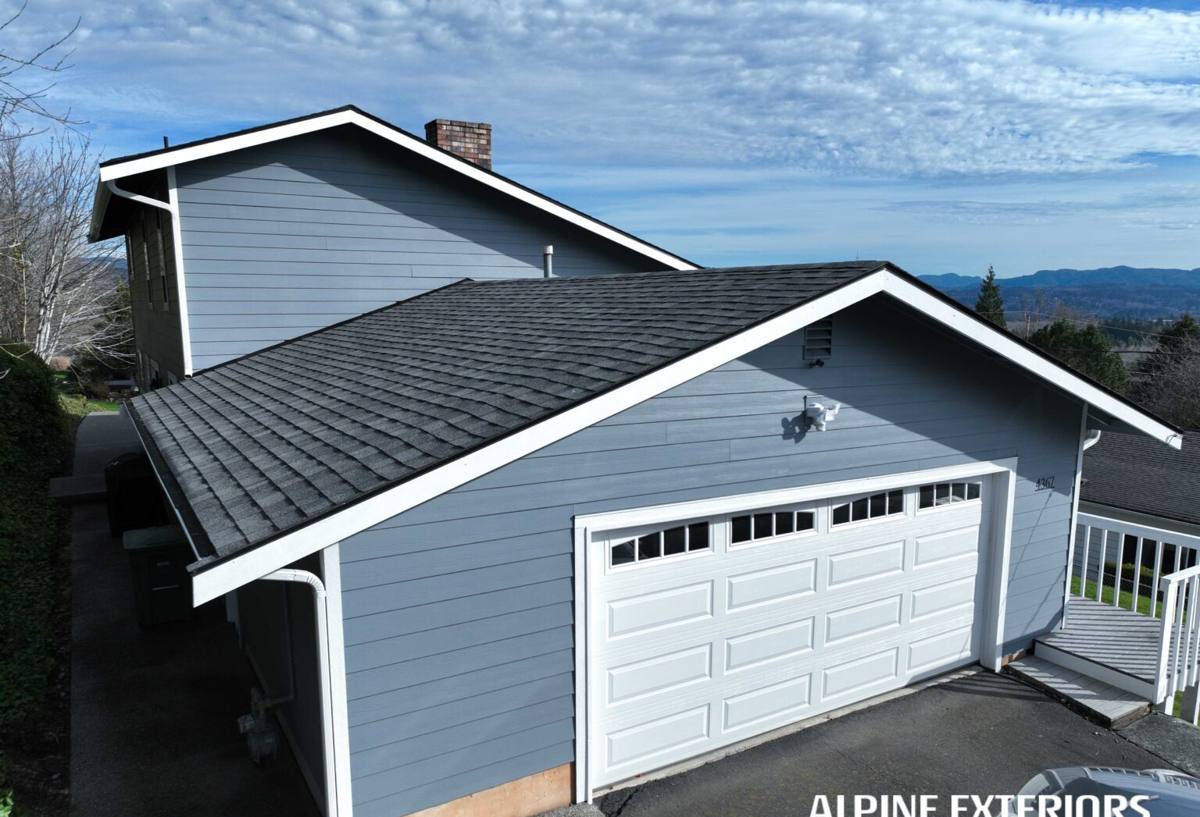
What Fairhaven's Climate Actually Does to a Roof
Three things drive most of the roofing failures we see in this part of Bellingham, and they compound each other.
Salt Air and Marine Exposure
Homes closer to the water take on airborne salt that accelerates corrosion on any exposed metal — nail heads, flashing seams, vent boots with metal collars, gutter hardware. Standard galvanized fasteners can start showing rust streaks on a roof well before the shingles themselves are due for replacement. This is a slow, quiet failure mode: nobody notices until a streak turns into a leak path.
Driving Rain
Bellingham gets a lot of rain, but the rain that does the damage in Fairhaven is the wind-driven kind coming off the bay — rain that hits roof planes at an angle instead of falling straight down. That pushes water sideways under shingle tabs, into valleys, and up against step flashing at wall intersections. A roof that would shed water fine in a calmer inland yard can still leak in Fairhaven if the underlayment, flashing laps, and fastening pattern aren't built for wind-driven wet weather.
Long Moss Season
Shaded lots, tree-lined streets, and the region's damp stretch from fall through spring add up to a moss season that runs longer here than in drier parts of the county. Moss isn't just cosmetic. It holds moisture against the roofing surface, works its way under shingle edges as it grows, and lifts tabs enough to let wind and rain get underneath. A north-facing slope or a roof under mature trees can develop a real moss problem within a few years of a roof that looked clean at installation.
Signs a Fairhaven Roof Actually Needs Replacement (Not Just a Repair)
- Granule loss heavy enough that you're finding sand-like grit in gutters and downspouts every season
- Shingles that are cupping, curling at the edges, or cracking when walked on
- Moss established across multiple slopes, not just a patch you can clean off
- Rust staining or visible corrosion at flashing, vent boots, or exposed fasteners
- Daylight visible through the roof deck from the attic, or damp insulation after a storm
- Multiple past repairs in different spots — a sign the roof system as a whole is past its service life
- Roof is at or past the manufacturer's expected lifespan for the original material and installation
A repair makes sense when the problem is localized — one damaged section, one flashing detail, storm damage to a limited area. Replacement makes sense when the roofing system itself, not just a section of it, is failing. We'll tell you honestly which category your roof is in; we don't sell replacements to homeowners who only need a repair.
What a Correct Roof Replacement Includes
A roof replacement is more than swapping old shingles for new ones. The parts most homeowners never see are usually what determines whether the roof holds up in Fairhaven's conditions or starts leaking in five years.
Tear-Off and Deck Inspection
Full tear-off to the deck, not an overlay. Overlaying new shingles on top of old ones traps moisture, hides deck problems, and shortens the life of the new roofing — it's a shortcut we don't take. Once the old roofing is off, we inspect the deck itself for soft spots, rot, or delamination, especially around valleys and any area that's had a history of leaks. Damaged decking gets replaced before anything new goes down; skipping this step is one of the most common causes of early roof failure.
Underlayment
Given how much wind-driven rain this stretch of Bellingham sees, underlayment choice and installation matter more here than in drier inland areas. Synthetic underlayment with properly lapped and sealed seams gives a real secondary water barrier if wind pushes moisture past the shingle layer.
Ice and Water Shield at Vulnerable Areas
Even though Fairhaven doesn't see heavy snow loads most winters, ice-and-water membrane at eaves, valleys, and roof-to-wall intersections is worth the extra material cost. These are the spots where driving rain and wind most commonly force water backward under the shingle field, and a self-sealing membrane at those points closes that gap.
Flashing
New step flashing at wall intersections, new counter-flashing where needed, and new flashing at every penetration — plumbing vents, chimneys, skylights. Reusing old flashing to save money is a false economy on a marine-exposure roof; corroded or fatigued flashing is one of the top leak sources we find on roofs that are otherwise in decent shape.
Fasteners and Hardware
Corrosion-resistant fasteners matter more this close to the bay. We don't cut corners here with standard-grade hardware that will show rust streaks and weakened holding power years before the shingles themselves wear out.
Ventilation
Proper intake and exhaust ventilation keeps the attic dry and temperature-regulated, which protects the new roof from the underside — trapped moisture in an unventilated attic will shorten shingle life and can encourage rot in the deck regardless of how good the roofing surface is.
Material Options for a Fairhaven Roof
We install what fits the home, the budget, and the exposure. Below is an honest comparison of the main options for this part of Bellingham — every material has real trade-offs, and we'll walk through which one fits your specific roof rather than pushing one product across every job.
| Material | Typical Lifespan | How It Handles Salt Air & Driving Rain | Moss Resistance |
|---|---|---|---|
| Architectural asphalt shingle | 25–30 years | Good with proper flashing and underlayment; standard choice for the area | Moderate — benefits from algae/moss-resistant granule options |
| Standing seam metal | 40–50+ years | Excellent when finished and fastened for coastal exposure | Very good — sheds moss more easily due to smooth, sloped surface |
| Synthetic/composite shingle | 30–50 years | Good; resists moisture absorption better than wood | Good, varies by product |
| Cedar shake | 20–30 years with upkeep | Requires diligent maintenance in damp marine climates | Poor without regular treatment and cleaning |
Cedar shake can look great on the right Fairhaven home, but we're upfront about the maintenance burden it carries in a climate this damp — regular treatment and cleaning are part of owning one, not optional extras. If low-maintenance is the priority, architectural asphalt or metal are the more practical picks for this location.
How Our Process Works
- Free on-site inspection. We walk the roof (or use a lift/drone when pitch or access calls for it), check the attic from the inside, and give you a straight answer on repair vs. replace.
- Written estimate. Materials, scope, and price laid out clearly — no vague allowances that turn into surprise change orders.
- Scheduling around weather. Roof tear-offs are weather-dependent by nature. We plan around Bellingham's forecast and won't leave a deck exposed overnight if rain is coming.
- Tear-off and deck check. Old roofing removed, deck inspected and repaired as needed before anything new is installed.
- Installation. Underlayment, ice-and-water membrane at vulnerable areas, new flashing throughout, and the roofing material itself installed to manufacturer spec.
- Cleanup and magnetic sweep. Job site cleared of debris and swept for stray nails and fasteners.
- Final walkthrough. We go over the finished roof with you before calling the job done.
Why a Crew That Already Works Fairhaven Matters
Roofing crews that split time across a wide, varied service area tend to default to generic specs — whatever they'd use anywhere in Whatcom County. A crew that regularly works Fairhaven specifically has already seen how salt exposure ages fasteners on this street versus that one, which slopes hold moss longest through the wet months, and where wind-driven rain actually gets into homes here. That local pattern recognition shows up in small decisions — where to add extra membrane, which flashing details to double-check, how to sequence a tear-off around a marine weather window — that a generic spec sheet won't catch.
It also matters for permitting and access. Bellingham has its own permitting process, and older Fairhaven homes sometimes have roof framing, pitch, or access quirks that a crew unfamiliar with the neighborhood's housing stock might not anticipate in a bid.
Maintaining a New Roof in Fairhaven's Climate
A correctly installed roof still benefits from basic upkeep in this climate. A few habits go a long way toward hitting full service life:
- Keep gutters and downspouts clear so water isn't backing up under the eaves during heavy rain
- Have moss growth addressed early, before it establishes across a full slope — a light annual check beats a heavy cleaning every few years
- Trim back tree limbs that shade roof sections and drop debris, since prolonged shade is what feeds moss growth in the first place
- After major windstorms, a quick visual check (or a call to us) for lifted or missing shingles catches small damage before it becomes a leak
- Keep an eye on flashing and vent boots during routine gutter cleaning — early corrosion is easier to catch from the ground with binoculars than after it's caused interior damage
What Affects the Cost of a Fairhaven Roof Replacement
Every roof is different, and we won't quote a number without seeing yours, but the main variables that move price are consistent from job to job:
| Factor | Why It Matters |
|---|---|
| Roof size and number of planes | More square footage and more valleys/hips mean more material and labor |
| Roof pitch and access | Steep or hard-to-access roofs take longer and may need extra safety equipment |
| Existing deck condition | Rot or soft decking found during tear-off adds material and labor to replace it properly |
| Material choice | Asphalt, metal, and composite carry different material and installation costs |
| Number of penetrations | Chimneys, skylights, and multiple vents each need individual flashing work |
| Ventilation upgrades needed | Adding or correcting intake/exhaust ventilation adds scope but protects the new roof |
We'd rather walk your roof and give you real numbers than throw out a broad range that doesn't mean much for your specific home. What we can promise is a written estimate with no vague line items, and honesty if a lower-cost repair is genuinely the better call instead of full replacement.
Ready for an Honest Look at Your Roof?
If your Fairhaven roof is showing granule loss, persistent moss, rust streaks at the flashing, or you're just not sure how much life it has left, we're happy to take a look. The estimate is free, there's no pressure, and you'll get a straight answer about whether you need a repair or a full replacement. Use the form below to get started.