 Bellingham
 Windows in Silver Beach Take a Different Kind of Beating
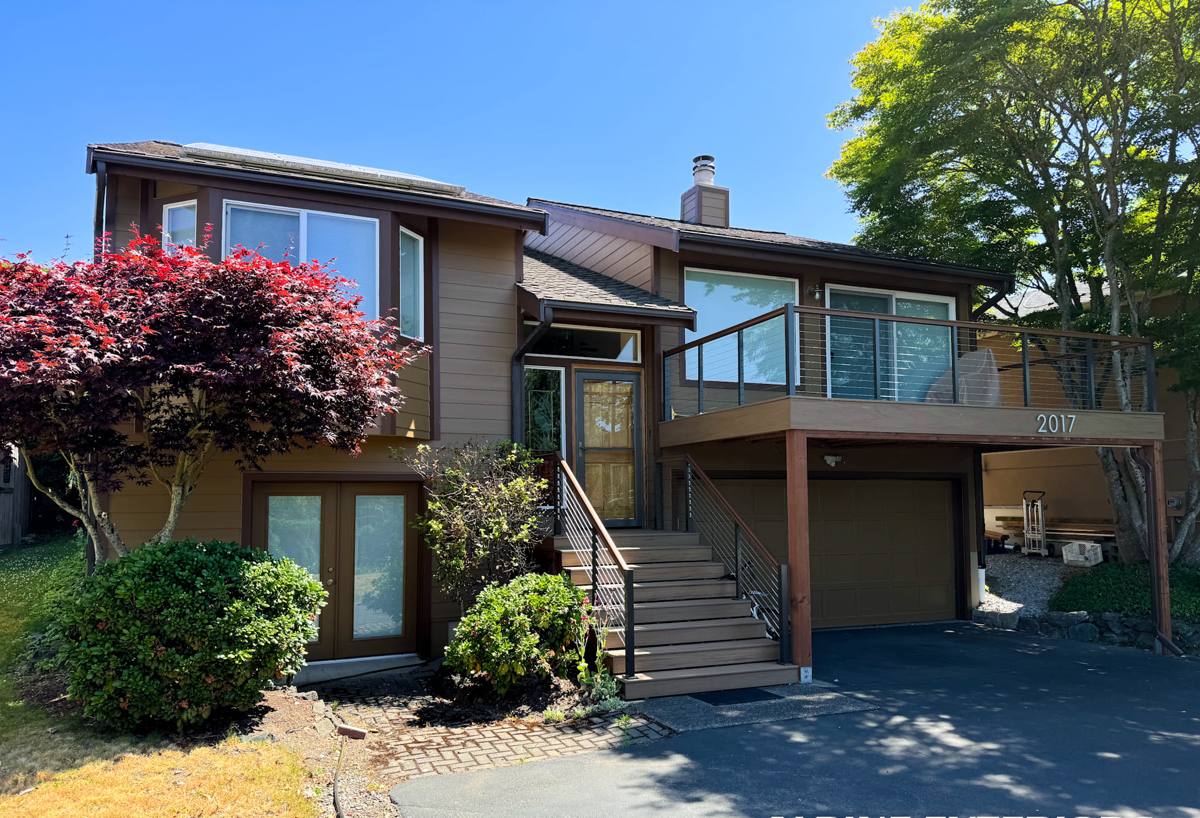
Silver Beach sits close to Lake Whatcom, in a part of Bellingham where the housing stock spans everything from older lake cabins converted into full-time homes to newer builds tucked into the hillside. What most of these homes have in common is exposure: near-constant moisture, shade from mature evergreens on many lots, and long stretches of the year where windows simply don't get a chance to dry out between rain events. That combination is hard on wood sash, hard on old aluminum frames, and hard on any window whose seals were never installed quite right in the first place.
We're not talking about coastal salt spray in the way you'd get right on the water in places like Fairhaven or the marina district, but Whatcom County's overall marine climate still means airborne moisture and mineral content that slowly attacks unprotected wood, degrades weak caulk lines, and accelerates corrosion on cheaper hardware. Add in a moss season that can run from fall through spring, and you've got a recipe for windows that look fine from the driveway but are quietly failing at the seams.
What Bellingham's Climate Actually Does to a Window
Driving Rain and Wind-Driven Moisture
Bellingham doesn't just get rain — it gets rain pushed sideways by wind off the water, which finds every gap in a window's flashing or sealant. A window that would be fine in a drier climate with a slightly imperfect install often fails here within a decade, because wind-driven rain gets behind the trim and into the wall cavity instead of running off the surface like it's supposed to.
Moss, Algae, and Prolonged Dampness
Shaded lots near the lake and mature tree cover mean moss and algae get a foothold on sills, trim, and anywhere water sits instead of draining. That organic growth holds moisture against wood and vinyl longer than plain rain would, which is exactly the condition that rots sills and clouds glass seals.
Temperature Swings and Condensation
Cool, damp mornings followed by mild afternoons are routine here, and older single-pane or early double-pane windows respond with condensation on the glass or, worse, between the panes if the seal has already failed. Persistent fogging between panes is one of the clearest signs a window's insulated glass unit is done.
Signs a Silver Beach Home Needs New Windows
- Fogging or a permanent haze between the panes of a double-pane window — the seal has failed and can't be fixed, only replaced
- Soft, spongy, or visibly rotted wood at the sill or bottom corners of the frame
- Windows that are difficult to open, won't stay open, or don't latch tightly
- Visible daylight or a draft you can feel around the frame on a windy day
- Paint that keeps failing on the sill no matter how often it's touched up
- Moss or dark staining building up on the sill or lower trim year after year
- A noticeable rise in heating costs with no other explanation
- Condensation forming on the inside of the glass regularly during cooler months
What a Correct Window Replacement Job Actually Involves
It's Not Just Swapping the Sash
A window replacement done right isn't just popping in a new unit and caulking around the edges. It starts with removing the old window down to the rough opening and actually looking at what's behind it — checking the sheathing and framing for rot or moisture damage that's been hidden by trim for years. In a climate like ours, finding some degree of moisture intrusion at an old window opening isn't unusual, and it needs to be addressed before a new window goes in, not covered up.
Flashing and Water Management
The single biggest factor in whether a window lasts is how well the flashing is integrated with the home's water-resistive barrier. That means a proper sill pan to catch and direct any water that gets past the exterior seal, correctly lapped flashing tape at the sides and head, and a sealant approach that lets water drain out rather than trapping it in the wall. This is the part of the job that's invisible once trim goes back on — and it's also the part that determines whether you're dealing with rot again in eight years or not.
Insulation and Air Sealing
The gap between the new window frame and the rough opening needs to be filled with the right insulating material — not packed so tight it bows the frame, not left so loose it's a thermal gap. Done correctly, this is where a lot of the comfort and efficiency gain actually comes from, more so than the glass package itself in many older homes.
Comparing Window Materials for This Climate
| Material | Moisture Performance | Maintenance | Typical Fit for Silver Beach |
|---|---|---|---|
| Vinyl | Won't rot; seams and welds matter more than the material itself | Low — occasional cleaning | Strong value option for most homes; good if quality of install is high |
| Fiberglass | Very stable, resists warping and moisture-related movement | Low | Good upgrade for exposed or higher-end homes; handles temperature swings well |
| Wood-clad | Exterior clad protects wood, but any breach in the cladding lets moisture reach the wood underneath | Higher — cladding seams need periodic inspection | Best when appearance from inside matters most and upkeep is expected |
| Bare wood | Vulnerable to our rain and moss season without diligent upkeep | High — repainting, sealing, ongoing rot checks | We generally steer clients away from this here unless it's a strict historic requirement |
| Aluminum | Conducts cold and can condense heavily; older units are often poorly sealed | Low, but performance is the tradeoff | Rarely our recommendation as a full replacement in this climate |
We're upfront about the tradeoffs on each option rather than pushing one product for every home. A shaded lot near the lake with heavy moss exposure calls for a different level of caution than a more open, sun-exposed site even a few blocks away.
Glass Packages Worth Considering
Double-pane, low-E glass with argon fill is the practical standard for this region — it balances cost with real performance against our damp, moderate winters. Triple-pane can make sense for north-facing rooms or homes right along the lake that catch more wind, but it's a cost-benefit conversation, not a default upsell.
Our Process for a Silver Beach Window Job
1. On-Site Assessment
We look at every window being considered — not just from the outside, but checking sills, corners, and interior trim for signs of moisture that may not be obvious. This tells us whether we're doing a straightforward replacement or need to plan for some framing repair.
2. Honest Scope and Estimate
You get a clear breakdown of what's being replaced, what materials are recommended and why, and what the flashing and water-management approach will be — before any work starts, not as a surprise once walls are open.
3. Removal and Opening Inspection
Old windows come out, and the rough opening gets inspected properly. If there's rot or water damage behind the old trim, we address it as part of the job rather than installing a new window over a compromised opening.
4. Install, Flash, and Seal
New sill pan, properly lapped flashing, correctly set and shimmed window, air sealing, and exterior trim and caulking finished to shed water — not trap it.
5. Walkthrough
We walk the finished windows with you, confirm smooth operation, and make sure everything's sealed and finished the way it was scoped.
Why a Crew That Already Works Silver Beach Matters
Bellingham's building department and permitting requirements can vary by scope of work, and older homes near the lake sometimes carry quirks in framing or siding transitions that aren't obvious until you're working on them. A crew that regularly works this specific area has already seen the common failure points in homes of a similar age and exposure nearby — what tends to rot first, where flashing was skipped on older builds, how moss buildup typically shows up on north- and west-facing elevations. That familiarity shortens the guesswork and reduces the chance of surprises mid-project.
It also means someone local you can actually reach if a question comes up after the job is done, rather than a crew that did one project in the area and moved on.
What Affects the Cost of a Window Replacement
| Factor | Why It Matters |
|---|---|
| Number and size of windows | Larger openings and full-house jobs have different labor and material scaling than a handful of replacements |
| Condition behind the old window | Rot or moisture damage found at removal adds repair scope before the new unit goes in |
| Material choice | Vinyl, fiberglass, and wood-clad carry different upfront costs and long-term maintenance profiles |
| Glass package | Standard low-E double-pane vs. upgraded triple-pane or specialty coatings |
| Access and site conditions | Second-story windows, tight side yards, or steep lots common near the lake can affect labor time |
| Trim and exterior finish work | Matching existing trim profiles or repainting/re-siding around new openings adds scope |
We don't quote a job without seeing it — a rough per-window number without knowing the condition behind the glass isn't a number you can actually rely on.
Questions to Ask Before Hiring for This Kind of Work
- Do you inspect the rough opening for moisture damage before installing, or just replace the sash?
- What's your approach to flashing and sill pans on window replacements?
- Are you licensed and insured to do this work in Washington?
- What's covered under warranty — the window manufacturer's coverage and your installation workmanship?
- Can you walk me through why you're recommending a specific material or glass package for my home?
- Do you have experience working on homes in this specific neighborhood or similar conditions?
Getting Started
If your windows in Silver Beach are fogging, sticking, drafty, or just showing their age, it's worth having them looked at before another wet season adds to the damage. We offer free, no-pressure estimates — we'll walk the windows with you, tell you honestly what we see, and lay out real options without any obligation. Use the form below to get in touch and we'll set up a time to take a look.