 Bellingham
 Composite Decking for York Homes: Built for Bellingham's Marine Climate
York sits close enough to the water and to Bellingham's marine weather patterns that decks here take a different kind of beating than decks fifty miles inland. Salt-laden air corrodes hardware faster than people expect, driving rain finds its way into every joint and fastener hole that isn't properly sealed, and the long stretch of gray, damp months each year gives moss and algae plenty of time to take hold on any surface that doesn't shed water well. A deck built for a drier climate, or built without these specifics in mind, tends to show its age in York within a few seasons — soft spots, discoloration, slick surfaces, and hardware that rusts before the boards themselves wear out.
Composite decking, installed correctly, handles this environment better than most alternatives. But "composite" isn't a single product with a single outcome — the board brand, the substructure underneath it, and the hardware holding it together all matter as much as the decking surface itself. This page covers what a York deck actually needs, what a correct installation looks like, and how we approach the work.
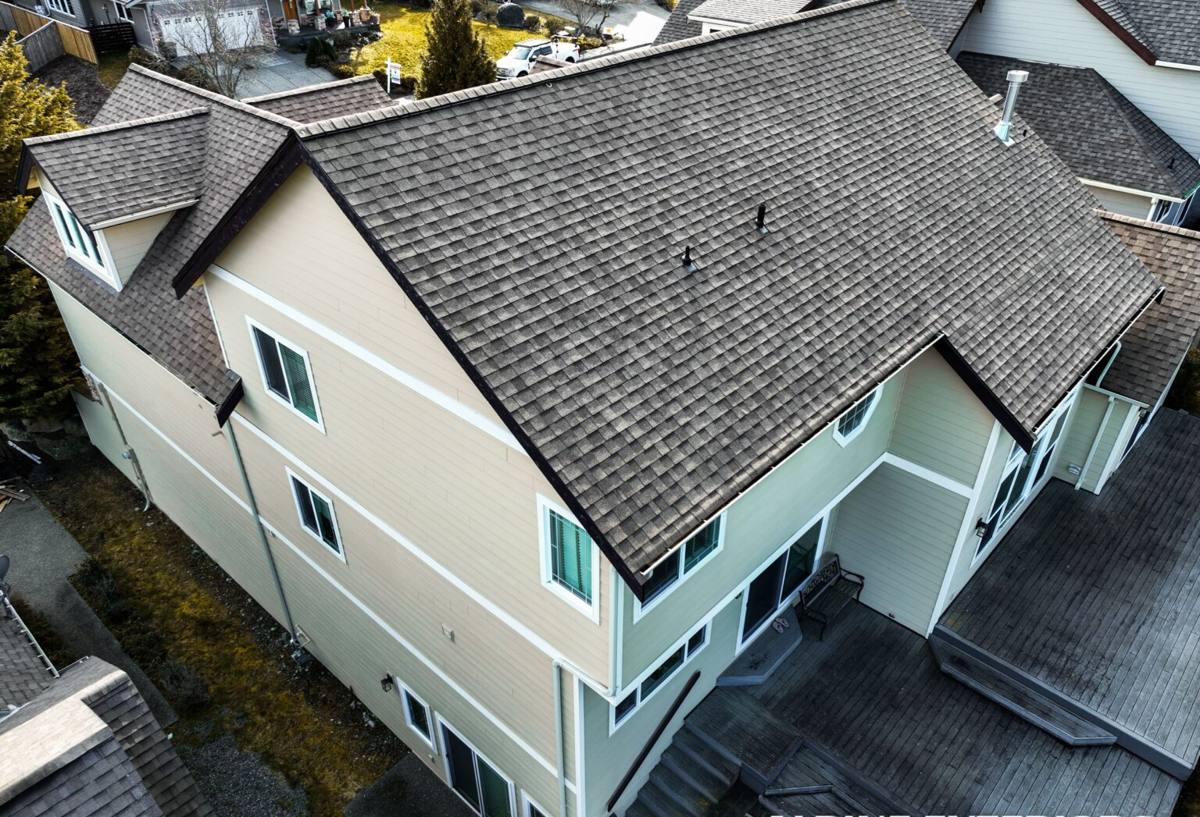
Why Composite Makes Sense for York's Weather
Wood decking isn't a bad product, but it's a high-maintenance one in a climate that stays wet for months at a stretch. Composite boards, especially capped varieties, resist moisture absorption, don't need annual staining or sealing, and hold up better against the freeze-thaw cycles and constant damp that Whatcom County winters bring. That doesn't mean composite is maintenance-free — it isn't — but the maintenance burden shifts from "protect the wood from rot" to "keep the surface clean so moss doesn't get a foothold," which is a much smaller job.
| Factor | Wood Decking | Composite Decking |
|---|---|---|
| Moisture absorption | High — swells, cups, and checks over time | Low to none, especially with capped boards |
| Moss/algae resistance | Poor without regular cleaning and treatment | Better surface resistance, still needs periodic cleaning |
| Annual upkeep | Staining or sealing, typically every 1-2 years | Occasional washing, no staining or sealing |
| Hardware corrosion risk | Same risk regardless of decking material | Same risk — hardware choice matters either way |
| Upfront cost | Lower material cost | Higher material cost, lower lifetime maintenance cost |
The honest trade-off is upfront cost. Composite boards cost more per square foot than standard lumber. Whether that's worth it depends on how long you plan to stay in the home and how much you value not spending a weekend every couple of years re-staining a deck that's exposed to Bellingham rain nine months a year.
What a Correct Composite Deck Installation Involves
Composite decking fails prematurely far more often from installation mistakes than from the boards themselves. The surface material gets the attention, but the substructure and hardware underneath do most of the actual work of keeping a deck sound in a wet climate.
Framing and Substructure
Composite boards are heavier than wood and behave differently under load and temperature swings. Joist spacing needs to match the manufacturer's specification for the board profile you're using — this is often tighter than standard wood-deck framing, especially for boards run at an angle or for stair treads. We use joist tape or an equivalent moisture barrier on top of the framing itself, which protects the framing lumber from the ledger board out, since the framing is still wood even when the decking above it isn't.
Fasteners and Hardware
This is the single biggest point of failure we see on decks near the water. Standard galvanized fasteners corrode faster in salt-influenced air than most homeowners expect, and once hardware starts failing, boards loosen, hidden fastener systems pop, and ledger connections weaken. We use stainless steel or coated fasteners rated for corrosive environments on every composite install, and we pay particular attention to the ledger board attachment to the house, since that connection carries structural load and is the hardest one to inspect once the deck is finished.
Drainage and Airflow
A deck that can't shed water and dry out underneath is a deck that grows moss and algae regardless of what the surface boards are made of. Proper board spacing, a slight slope away from the house, and clear airflow underneath the deck all matter. On lower decks close to grade — common on lots throughout York — we make sure there's enough clearance and ventilation that the underside isn't sitting in standing moisture through the wet months.
Moss, Algae, and the Long Wet Season
Whatcom County's decking season for moss and algae growth is longer than most homeowners moving here from drier climates expect — it isn't just a winter problem. North-facing decks and decks shaded by trees or the house itself stay damp longer after rain and are the first spots to show green growth, regardless of decking material. Composite surfaces resist staining better than wood, but they aren't immune, and a deck built with poor drainage or tight board spacing will trap moisture and grow moss just as readily as an old wood deck would. Getting the slope, spacing, and airflow right at installation is what actually prevents this — not the board material alone.
Choosing the Right Composite Board
Not all composite boards perform the same way in a wet, low-sun climate. The main distinction worth understanding is capped versus uncapped composite.
- Uncapped composite is a wood-plastic blend with no protective outer layer. It's less expensive but more prone to moisture absorption, staining, and fading over time — not ideal for a climate with this much sustained damp.
- Capped composite has a polymer shell around the wood-plastic core, which resists moisture, staining, and fading far better. It costs more but tends to be the better fit for this region's weather.
- PVC decking (not technically composite, but often shopped alongside it) contains no wood fiber at all, making it fully moisture-proof, though it has a different look and feel underfoot than composite.
We don't push a single brand on every job. The right board depends on your budget, the look you want, and how much sun exposure the deck actually gets — a shaded, north-facing deck benefits more from a highly moisture-resistant capped board than a sunny, open deck might need.
| Board Type | Typical Cost Range | Best Fit |
|---|---|---|
| Uncapped composite | Lower | Budget-conscious projects, sunnier/drier deck locations |
| Capped composite | Mid to upper | Most York homes given year-round moisture exposure |
| PVC decking | Upper | Decks with heavy shade or minimal drainage options |
Our Process, Start to Finish
Site Visit and Assessment
We look at sun exposure, drainage, existing framing condition (if this is a resurface or rebuild), and how close the deck sits to grade or to the water-influenced air that affects hardware longevity in this part of Bellingham. This tells us what board type and hardware spec actually make sense for your specific lot, rather than defaulting to a generic recommendation.
Plan and Material Selection
We walk through board options, color, and layout with you, and give you a straightforward quote that reflects the actual conditions of your site — not a one-size-fits-all number.
Installation
Framing and moisture barrier first, then hardware, then decking, with attention to spacing and slope throughout. We don't rush the substructure to get to the visible part of the job faster — it's the part that determines whether the deck is still solid in ten years.
Final Walkthrough
We go over the finished deck with you, explain any manufacturer warranty paperwork, and cover basic care so you know what routine maintenance actually looks like for your specific board choice.
Maintaining a Composite Deck in a Wet Climate
Composite decking cuts down maintenance significantly, but "low-maintenance" isn't "no-maintenance," especially with Whatcom County's moss season working against you most of the year.
- Sweep debris off the deck regularly — trapped leaves and needles hold moisture against the surface and feed moss growth.
- Wash the deck surface a few times a year with a soft-bristle brush and a composite-safe cleaner to remove early moss and algae before it takes hold.
- Avoid pressure washers on high settings — they can damage the capped surface of composite boards over time.
- Check the gaps between boards periodically to make sure they aren't clogging with debris and blocking drainage.
- Inspect visible hardware and railing connections once a year for early signs of corrosion, especially if your lot has direct exposure to marine air.
Why Local Experience in York Matters
A contractor who already works in and around York knows the practical realities of building here — how close the water table tends to run on certain lots, how shaded decks in this area stay damp longer, and which fastener and framing choices actually hold up against Bellingham's version of a wet season rather than a generic one. That local knowledge shows up in decisions you won't necessarily see on the surface: joist spacing, drainage slope, hardware grade — the parts of the job that determine whether the deck is still tight and solid in ten years, not just good-looking in the first one.
If you're weighing options for a new deck or a resurface in York, we're happy to take a look at your property and give you a straightforward, no-pressure estimate — just fill out the form below to get started.