 Bellingham
 Roofing That Has to Work in Columbia's Bellingham Climate
Columbia sits close enough to the water and the weather patterns off Bellingham Bay that a roof here works harder than the same roof would fifty miles inland. Asphalt shingles are still the most practical choice for most homes in this part of Whatcom County, but only when they're specified and installed with this specific climate in mind. A shingle roof that's correct for a dry inland subdivision is not automatically correct for a home a few blocks from the water dealing with salt-laden air, sideways rain, and months of shade-driven moss growth every year.
This page is about that one job — asphalt shingle roofing, done right, for houses in and around Columbia. Not a general overview of every roofing product we offer, but what actually matters when you're deciding on a shingle roof for a home in this neighborhood.
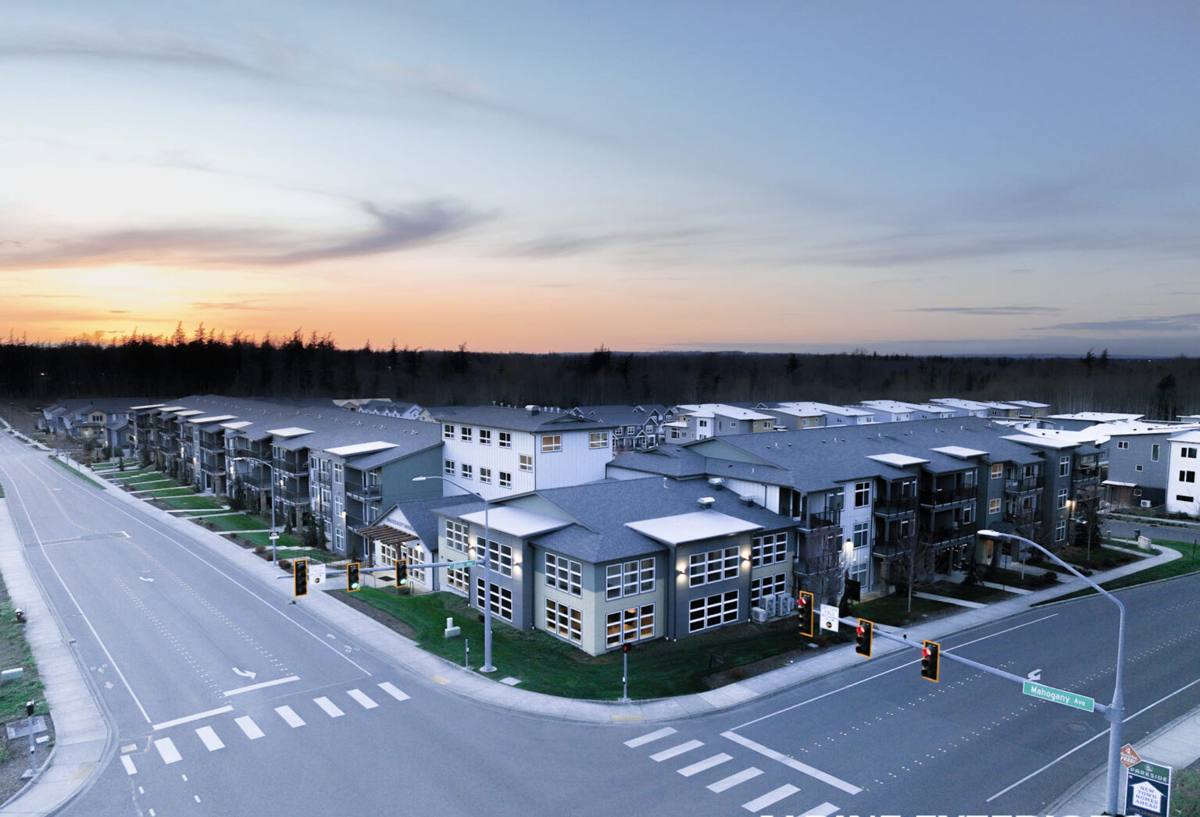
What Columbia Roofs Are Actually Up Against
Three things drive most of the roofing problems we see on Columbia homes, and they compound each other.
Salt Air
Proximity to Bellingham Bay means airborne salt settles on roofing materials and accelerates corrosion of exposed metal — fasteners, flashing, vent caps, gutter hardware. A shingle roof itself isn't damaged by salt the way metal is, but every metal component tied into that roof is, which is why fastener and flashing selection matters more here than it would on a roof twenty miles inland.
Driving Rain
Bellingham's weather doesn't just rain straight down — wind off the water regularly pushes rain sideways and up under shingle edges, at valleys, and around any roof penetration. A roof that would shed water fine in a calmer climate can still leak here if the underlayment, flashing details, and shingle overlap weren't built with wind-driven rain in mind.
Moss Season
Shaded, north-facing, and tree-covered sections of roof in this area can stay damp for months at a stretch, especially through fall and winter. That damp, shaded combination is exactly what moss needs to establish. Once moss gets a foothold, it lifts shingle edges, holds moisture against the roof deck, and shortens the life of even a well-installed roof if it isn't kept in check.
None of this means asphalt shingles are the wrong material for Columbia. It means the installation details — underlayment, flashing, fastening, and ventilation — have to be treated as load-bearing decisions, not afterthoughts.
Why Asphalt Shingles Still Make Sense Here
We install other roofing systems too, but asphalt shingles remain the right call for a large share of Columbia homes for straightforward reasons:
- Cost-to-performance balance — a properly installed architectural shingle roof holds up well against this climate without the price jump of metal or slate.
- Repairability — individual shingles can be replaced after storm damage or a fallen branch without disturbing the whole roof, which matters in a neighborhood with mature trees.
- Wide product range — from basic 3-tab to heavier architectural and impact-rated lines, there's a shingle tier for nearly every budget and roof pitch.
- Proven track record in this climate — asphalt shingles have been the default roofing material across Western Washington for decades, and the manufacturers that make them build their product lines around Pacific Northwest wind and moisture exposure.
The trade-off is that asphalt shingles are more installation-sensitive than some alternatives. Get the underlayment and flashing wrong and the shingle brand stops mattering — water will find the gap either way.
What a Correct Shingle Roof Job Actually Involves
Tear-Off vs. Overlay
We tear off down to the deck rather than layering new shingles over old on most jobs. An overlay hides the state of the deck and existing flashing, which is exactly what you don't want to hide on a home dealing with driving rain and moss. Tear-off lets us inspect the deck for soft spots, rot, and prior leak damage before anything new goes down — problems that are cheap to fix now and expensive to fix later.
Underlayment and Ice-and-Water Protection
Given how much wind-driven rain this area sees, we don't treat underlayment as a formality. Self-adhered ice-and-water membrane at eaves, valleys, and around penetrations gives the roof a second line of defense in exactly the spots where wind-driven rain is most likely to get under the shingle field.
Flashing
Flashing around chimneys, skylights, sidewalls, and valleys is where most shingle roof leaks actually originate — not in the shingle field itself. We use corrosion-resistant flashing material and proper step-and-counter-flashing techniques, which matters more here given the salt air's effect on lower-grade metal over time.
Fastening and Nailing Pattern
Manufacturer nailing patterns exist for a reason, and skipping or shortcutting them is one of the most common causes of premature shingle blow-off in coastal wind conditions. We fasten to spec, with corrosion-resistant nails, every time — not as an upsell, just as the baseline for a roof that's supposed to last.
Ventilation
A shingle roof with poor attic ventilation traps moisture underneath the deck, which shortens shingle life from below regardless of how good the installation above is. We check and correct intake and exhaust ventilation as part of the job, not as a separate line item discovered after the fact.
Shingle Options and Cost Factors
Homeowners in Columbia usually choose between three tiers of asphalt shingle. Here's how they compare on the factors that actually matter for this climate:
| Shingle Type | Typical Lifespan | Wind Rating | Best Fit |
|---|---|---|---|
| 3-Tab | 15–20 years | Lower wind resistance | Budget-conscious re-roofs on simpler, less exposed roof planes |
| Architectural (Laminate) | 25–30 years | Moderate to high wind resistance | Most Columbia homes — the standard recommendation for this climate |
| Impact-Rated / Heavy Architectural | 30+ years | Highest wind and impact resistance | Exposed sites, tree-heavy lots, or homeowners prioritizing longevity over upfront cost |
Beyond the shingle tier itself, the other real cost factors are roof pitch and complexity (more valleys and penetrations mean more flashing labor), deck condition once we tear off, and how much of the existing ventilation and flashing can be reused versus replaced. We walk through all of that with you before any work starts, not after.
How the Job Runs, Start to Finish
- On-site inspection — we look at the current roof, attic ventilation, and any visible problem areas before quoting anything.
- Written estimate — a clear scope and price, including shingle tier, underlayment, and flashing plan, so there are no surprises mid-job.
- Tear-off and deck inspection — old roofing removed, deck checked and repaired where needed.
- Underlayment and flashing installation — ice-and-water membrane and corrosion-resistant flashing installed at all vulnerable points.
- Shingle installation — installed to manufacturer nailing spec for proper wind performance.
- Ventilation check — intake and exhaust ventilation confirmed or corrected.
- Cleanup and final walkthrough — site cleared, magnet-swept for stray nails, and we walk the finished roof with you.
Moss, Algae, and Living With a Shingle Roof Here
No roof in this climate stays maintenance-free forever, and we'd rather tell you that upfront than have you find out the hard way. A little seasonal attention keeps a well-installed shingle roof performing for its full expected lifespan.
- Keep gutters clear of needles and debris so water isn't backing up under shingle edges during heavy rain.
- Watch shaded and north-facing roof sections for early moss growth — dark streaking or a green tint is easier to deal with early than after it's established.
- Trim back overhanging branches where practical to cut down on shade and debris buildup.
- Have the roof looked at after any major windstorm, even if nothing looks obviously wrong from the ground.
- Avoid pressure-washing shingles — it strips granules and shortens shingle life; a gentler moss treatment approach protects the roof instead of wearing it down.
Why a Crew That Already Works Columbia Matters
A roofing crew that works across a wide service area learns general roofing principles. A crew that regularly works Columbia specifically learns which roof orientations in this neighborhood hold moisture longest, which flashing details tend to fail first in this wind pattern, and what a Whatcom County building department actually expects on a re-roof permit and inspection. That local repetition shows up in fewer callbacks and fewer surprises mid-project — not because the trade knowledge is different, but because the judgment calls on a specific roof get made with local context instead of guesswork.
We're not asking you to take our word for the climate concerns above — they're the same conditions any honest local contractor will describe, because they're just what this part of Bellingham deals with every year.
Get a Free Estimate for Your Columbia Roof
If your shingle roof is aging, showing moss, or you just want a straight assessment of what condition it's in, we're glad to take a look. Use the form below to request a free, no-pressure estimate — we'll walk the roof, tell you honestly what it needs, and give you a clear written quote before anything else happens.