 Bellingham
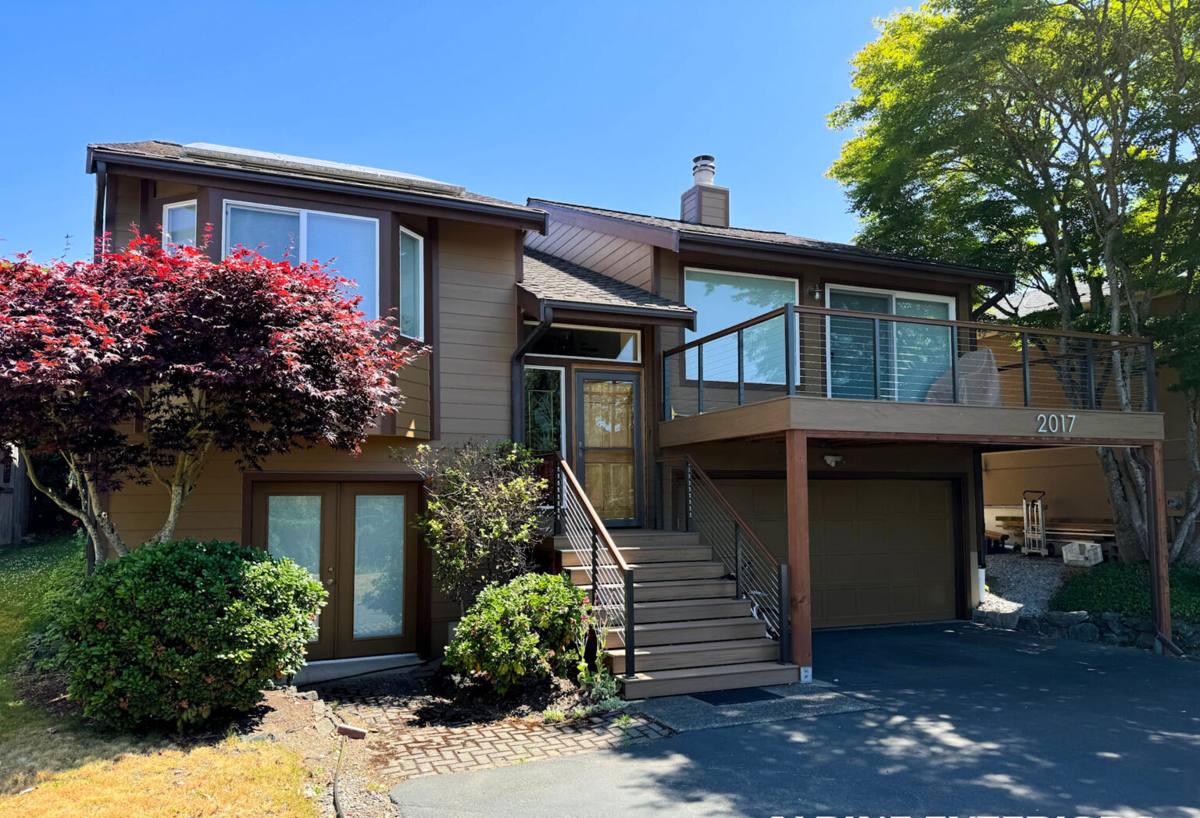
 Edgemoor sits close enough to the water that its houses take a different kind of weathering than homes further inland in Whatcom County. Salt-laden air off Bellingham Bay, wind-driven rain that finds every gap in old flashing, and a moss season that runs longer here than almost anywhere else in the state all work on window openings year after year. If you own a home in Edgemoor and you're noticing drafts, fogged glass, swollen sashes, or trim that's starting to look tired, the cause is rarely just "old windows." It's usually old windows meeting this specific climate, and the fix has to account for both.
This page covers what window replacement actually involves for Edgemoor homes specifically — what the climate does to windows here, what a correct installation looks like, how our process runs from estimate to cleanup, and why it matters to hire a crew that already knows this neighborhood rather than one learning it on your dime.
Why Edgemoor Windows Wear Differently
Proximity to saltwater changes the math on exterior materials. Salt air accelerates corrosion on metal hardware — hinges, balance mechanisms, screen frames, and especially older aluminum window frames that were common in homes built decades ago. Once that hardware starts to corrode, windows get harder to open and close, seals stop making full contact, and the window stops doing its job even if the glass itself still looks fine.
Driving rain is the second factor. Storms that come in off the water don't fall straight down — they hit siding and window openings at an angle, which puts real pressure on flashing, sill pans, and caulk joints that a calmer climate wouldn't test nearly as hard. A window that's installed with the flashing sequence done in the wrong order, or with caulk used as a substitute for proper flashing, can look fine for a few years and then start leaking exactly during the kind of storm it was never built to handle.
Then there's moss and organic growth. Bellingham's damp, mild winters and long shoulder seasons keep humidity elevated around window sills and trim for much of the year, especially on north- and west-facing walls that don't get much direct sun. Wood trim and sills that stay damp longer than they should are where rot starts — often years before it becomes visible from inside the house.
What This Means for an Older Edgemoor Home
- Aluminum-framed windows from the 1960s-80s are especially prone to hardware corrosion and poor thermal performance near the water
- Original wood windows may still have solid sashes but failed glazing putty, swollen sills, or rot hidden under paint
- Vinyl windows installed without proper flashing in the past 15-20 years can still leak — age isn't the only variable, installation quality is
- North and west exposures typically show moss and moisture staining first, even on windows that are otherwise in decent shape
Signs It's Time to Replace, Not Just Repair
Not every window problem means a full replacement. A single failed seal or a sticking sash can sometimes be repaired. But there are signs that point toward replacement being the more honest answer, both for your comfort and for your wallet over time.
- Fogging or moisture between the panes — the seal has failed and the insulating gas is gone; this can't be repaired, only replaced
- Visible gaps around the frame when the window is closed, or daylight visible around the edges
- Soft or spongy wood at the sill or bottom corners of the frame, a sign rot has already started
- Windows that are difficult to open, won't stay open, or won't lock securely
- Noticeable draft or cold spot near the window even with it fully closed
- Condensation forming on the inside of the glass regularly during cooler months
- Paint that keeps failing on the trim no matter how often it's redone — usually a sign moisture is getting in from somewhere the paint can't fix
What a Correct Window Replacement Involves
Window replacement has two very different levels of quality behind it, and from the street they can look identical for the first year or two. The difference shows up later, usually as a leak, in how the job was actually built.
Sill Pan and Flashing First
Before a new window ever goes in the opening, the rough opening itself needs attention. A sill pan — a sloped, waterproof barrier at the bottom of the opening — gives any water that gets past the window a way out instead of a way into the wall. Flashing tape goes on in a specific shingle-style sequence, bottom to top, so that each layer overlaps the one below it the same way roof shingles do. Skip this step or do it out of order, and caulk becomes the only thing standing between your wall and water — which works until it doesn't.
Fit and Shimming
A new window has to be shimmed level, plumb, and square in the opening, not just screwed in wherever it happens to sit. An out-of-square window puts stress on the frame that can crack seals prematurely and makes the sash harder to operate over time.
Insulation Around the Frame
The gap between the window frame and the rough opening needs to be filled with a low-expansion foam or backer rod and sealant — never packed tight with standard expanding foam, which can bow the frame inward and cause operational problems.
Exterior Sealant and Trim
The exterior joint gets sealed with a sealant rated for the siding material and for sustained exposure to wind-driven rain, not a generic caulk that will crack and shrink within a season or two. Trim gets reinstalled or replaced, primed and painted on all cut edges — a detail that's easy to skip and one of the first places moisture gets back in when it's skipped.
Interior Finish
Interior trim, stops, and any drywall or plaster repair around the opening get finished to match, so the inside of your home looks like nothing happened — aside from a window that finally opens, closes, and seals the way it should.
| Step | Why It Matters in Edgemoor's Climate |
|---|---|
| Sill pan installation | Gives wind-driven rain that gets past the window a way out, not a way into the wall cavity |
| Shingle-style flashing | Directs water downward and outward instead of trapping it against sheathing |
| Corrosion-resistant hardware | Reduces long-term wear from salt-laden air near the bay |
| Low-expansion foam/backer rod | Insulates without distorting the frame, which matters more with temperature swings off the water |
| Full trim priming, all edges | Prevents the rot cycle that damp, shaded exposures in Edgemoor accelerate |
Choosing the Right Window for This Location
There's no single "best" window brand or material for every home — the right choice depends on your home's exposure, your budget, and how much upkeep you want to take on. What we won't do is install a window whose maintenance demands or moisture behavior don't hold up to a bay-adjacent climate, or steer you toward a product based on markup instead of fit. A few honest trade-offs worth knowing going in:
- Vinyl — low maintenance, good value, solid thermal performance; frame color and finish options are more limited than fiberglass
- Fiberglass — very stable dimensionally, holds paint well, handles temperature swings without warping; higher upfront cost
- Wood-clad — classic look for older or historic-style Edgemoor homes; needs more attention to the exterior cladding detail to keep moisture from working behind it near the water
- Aluminum — we generally steer clients away from bare aluminum replacement frames this close to the bay, given how much faster the hardware and finish corrode in salt air compared to other framing materials
Glass Packages Worth Considering
Double-pane, low-E glass is the baseline for this climate. For homes with more direct exposure to wind or street noise, or west-facing rooms that get more weather, a upgraded low-E coating or a slightly wider air gap between panes can noticeably improve both comfort and condensation resistance. We'll walk through what actually makes sense for your specific exposure rather than upselling a package your home doesn't need.
Our Process, Start to Finish
- On-site assessment. We look at every window being considered, check the condition of the sill, frame, and surrounding trim, and note anything the estimate needs to account for — including sill rot or flashing issues that won't be visible until the old window comes out.
- Written estimate. You get a clear breakdown of window selection, labor, and any additional carpentry or trim repair, with no vague allowances hiding in the total.
- Scheduling around the weather. Window replacement is weather-dependent work. We plan installs around dry stretches where possible and only open one opening at a time so your home is never sitting exposed to Bellingham weather longer than necessary.
- Removal and inspection. Once the old window is out, we check the rough opening for hidden rot or past water intrusion before anything new goes in. If we find damage, we'll show you and explain the fix before proceeding.
- Install per the sequence above. Sill pan, flashing, shimming, insulation, exterior sealant, trim — done in order, not shortcuts.
- Walkthrough and cleanup. Every new window gets tested for smooth operation and a secure seal before we consider the job done, and the work area is cleaned up daily, not just at the end.
Why a Local Crew Matters for This Job
Window replacement done by a contractor who doesn't regularly work Whatcom County waterfront neighborhoods can miss things that aren't obvious unless you've seen them before — the specific way salt air attacks aluminum hardware, how far moss and moisture staining tend to travel on a north-facing wall here, or how a storm coming off the bay hits a window opening differently than it would a few miles inland. None of that is exotic knowledge, but it's the difference between a crew solving for your home's actual conditions and one running a generic process that happens to work most places.
It also matters for accountability. A crew based in and working around Bellingham is going to be around next year if a question comes up, and has a reputation in the county worth protecting — which shapes how carefully a job gets done in the first place.
What Affects Cost
Window replacement pricing varies by window count, size, material, glass package, and how much carpentry or trim repair is needed once old windows come out. Rather than quote a number that doesn't mean much without seeing your home, here's what actually drives the range:
| Factor | Effect on Cost |
|---|---|
| Window material (vinyl vs. fiberglass vs. wood-clad) | Fiberglass and wood-clad typically cost more upfront than vinyl |
| Number and size of windows | Larger openings and full-house replacements have more material and labor per project, though often a better per-window rate |
| Condition of existing sill/framing | Hidden rot found during removal adds carpentry time not visible in an initial estimate |
| Glass package | Upgraded low-E coatings or wider air gaps add cost but improve comfort and condensation resistance |
| Trim and exterior finish work | Matching existing trim profiles or repainting affected siding adds labor |
A Few Questions Worth Asking Before You Commit
- Does the estimate include sill pan and flashing work, or just the window unit itself?
- What happens if rot is found once the old window is removed — is that a change order or already accounted for?
- What warranty covers the installation itself, separate from the manufacturer's product warranty?
- How many openings will be worked on at once, and how is the home protected from weather during the install?
- Is the crew doing the work employees of the company, or subcontracted out?
If you're weighing window replacement for a home in Edgemoor, we're happy to take a look, walk through what your specific windows and exposure need, and give you a straightforward written estimate — no pressure, no upsell, just an honest read on what your home actually needs. The estimate is free; reach out through the form below to get one scheduled.