 Bellingham
 Board & Batten Siding, Done Right for Lynden
Board and batten has deep roots in Lynden. The vertical lines, the wide flat panels broken up by narrow battens, the barn-and-farmhouse look — it fits the town's agricultural character better than almost any other siding profile. We get asked for it constantly, and we're glad to install it. But board and batten is also one of the easiest siding styles to get wrong, because the same vertical seams that give it that clean, tailored look are the exact spots where water finds a way in if the install isn't handled correctly.
This page is about doing board and batten the right way for a Lynden home — not a generic overview of the style, but what it actually takes to make it hold up through Whatcom County winters, and why we install it exclusively in James Hardie fiber cement rather than wood, engineered wood, or vinyl alternatives.
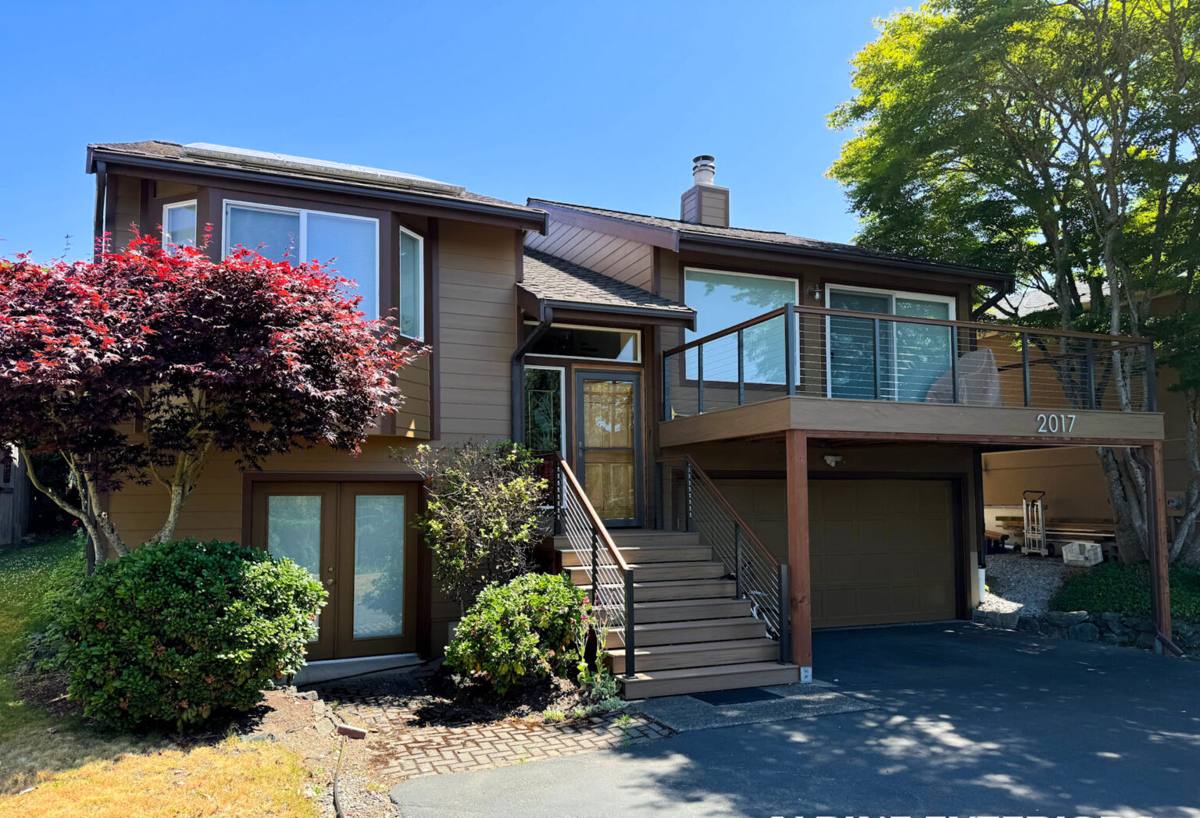
What Lynden's Climate Does to Vertical Siding
Homes in this part of Whatcom County deal with a specific combination of punishment: long stretches of driving, wind-driven rain that hits siding at an angle instead of falling straight down, marine-influenced air moving in off the Salish Sea that keeps humidity high for months at a time, and a moss season that can run from fall through spring. None of that is unique to Lynden, but it's persistent here in a way that drier climates never have to deal with.
Vertical siding profiles like board and batten are more exposed to this than horizontal lap siding for one simple reason: every batten seam is a vertical channel that water can run down and potentially work behind if the flashing detail or fastening pattern underneath isn't correct. On a horizontal lap board, water sheds down and off the face of the board below it. On board and batten, the batten itself is often covering a butt joint or a panel seam, and if that seam isn't properly lapped, taped, or backed with the right underlayment, driving rain can push moisture behind the cladding instead of down and off it.
Add moss and algae growth into the mix — which thrives in the shaded, moisture-holding conditions common on north- and west-facing walls here — and you've got a siding style that rewards careful installation and punishes shortcuts.
Why This Matters More Here Than in Drier Regions
In a dry climate, a mediocre board and batten install might go a decade before anyone notices a problem. In Lynden's climate, water intrusion behind vertical siding shows up faster — as soft spots at the base of battens, staining at panel joints, or paint and finish failure well ahead of schedule. The house doesn't have long dry stretches to shed moisture that got trapped behind the cladding, so any mistake in the water management plan gets compounded season after season.
What a Correct Board & Batten Install Actually Involves
Board and batten looks simple from the curb — flat panels, evenly spaced battens — but the parts you don't see are what determine whether it lasts. A correct install includes:
- A drainable weather-resistive barrier installed over the sheathing, lapped correctly at every seam and penetration
- A rain screen gap (furring strips or a drainage mat) behind the cladding so any moisture that does get past the surface has somewhere to drain and dry, instead of sitting against the sheathing
- Properly flashed window and door openings, integrated with the weather barrier before the siding goes on — not caulked in afterward
- Panel joints backed and sealed per the manufacturer's specification, not just butted together and covered with a batten
- Battens fastened into structural framing on the correct spacing, not just into the panel or sheathing
- Correct fastener type, length, and placement for both the panels and the battens — undersized or misplaced fasteners are one of the most common causes of early siding failure
- Proper clearance at the base of the wall, at grade, and at any roof-to-wall intersections so water has a clear path away from the structure
Any one of these steps done wrong can look fine on installation day and cause a real problem three, five, or ten years later. That's the trap with board and batten specifically — the failure points are hidden by design.
The James Hardie Board & Batten System We Install
We install James Hardie fiber cement exclusively — no vinyl, no LP SmartSide, no Cemplank, no Allura, no primed spruce or cedar boards. For board and batten specifically, that means Hardie vertical panel products paired with fiber cement battens, finished in the factory-applied ColorPlus finish rather than field-painted.
A few reasons this matters for a Lynden project in particular:
- Non-combustible core. Fiber cement doesn't feed a fire the way wood-based sidings can. That's a meaningful difference in wildfire-adjacent regions of Washington, and it's simply a stronger baseline material regardless of location.
- Engineered for this climate. Hardie's HZ5 product line is engineered specifically for the wetter, cooler climate zones of the Pacific Northwest — it's not a generic national product being installed here regardless of conditions.
- Factory finish, not field paint. ColorPlus finish is baked on and warranted separately from the substrate, which means the finish holds up to UV and moisture cycling far longer than a field-applied coat, and it won't peel the way paint on wood battens eventually does.
- Dimensionally stable. Fiber cement doesn't swell, cup, or split the way wood battens can when they take on and release moisture repeatedly through a wet Whatcom County winter.
- A real transferable warranty backed by the manufacturer, not just the installer.
We won't install board and batten in wood, engineered wood, or vinyl — not because those materials don't have a place in the industry, but because we've standardized on one system we can stand behind fully, install to spec every time, and warranty with confidence.
Cost Factors on a Board & Batten Project
Board and batten typically costs somewhat more than a straightforward lap siding job on the same home, mainly because of the extra labor in the batten layer and the added care needed at seams and penetrations. Rough factors that move the number:
| Factor | Why It Affects Cost |
|---|---|
| Full tear-off vs. re-side over existing wall prep | Tear-off allows inspection and repair of sheathing and the weather barrier underneath — often necessary if the existing siding shows signs of past moisture problems |
| Batten spacing and layout | Tighter batten spacing means more material and more fastening labor per square foot |
| Wall complexity | Dormers, gables, and multiple roof-to-wall intersections all add flashing detail work that takes real time to do correctly |
| Trim and corner details | Board and batten is often paired with more prominent trim, which adds material and labor |
| Home height and access | Two-story walls and steep site grades affect scaffolding and staging time |
We give a firm, itemized number after walking the actual house — not a phone estimate — because the condition of what's underneath the current siding is often the biggest variable.
How We Approach a Lynden Board & Batten Project
Our process doesn't change because a house is in Lynden versus anywhere else in our Whatcom County service area, but the details we watch for are shaped by what we consistently see in this area:
- On-site evaluation. We look at the existing siding, wall orientation, moss and moisture staining patterns, and any signs of past water intrusion before we quote anything.
- Tear-off and sheathing check. Removing the old siding lets us confirm the sheathing is sound and address any hidden damage before it gets covered up again for another 30+ years.
- Weather barrier and rain screen installation. This is the layer that does the real waterproofing work — the siding itself is the second line of defense, not the first.
- Flashing at every opening and intersection. Windows, doors, roof lines, and any wall penetrations get flashed before cladding goes on.
- Panel and batten installation to Hardie's fastening specification. Correct nailing pattern, correct fastener embedment, correct batten spacing into framing.
- Final walk-through. We check seams, caulking, trim, and clearances with you before calling the job done.
Why Hiring a Crew That Already Works Lynden Matters
Board and batten installed correctly in a dry inland climate and board and batten installed correctly for a home exposed to driving Pacific storms and a long moss season aren't quite the same job. A crew that regularly works this part of Whatcom County has already seen where vertical siding tends to fail locally — which wall orientations hold moss longest, which roof-to-wall details cause the most callbacks, how much rain screen gap actually matters once winter sets in. That's not something you can fully specify on a quote sheet; it comes from doing the work here repeatedly and paying attention to what holds up and what doesn't.
Maintaining Board & Batten Siding in This Climate
Fiber cement board and batten is low-maintenance compared to wood, but "low-maintenance" doesn't mean "no maintenance" in a climate like this one. A simple annual routine goes a long way:
- Rinse siding (garden hose pressure, not a pressure washer) once or twice a year to clear moss spores and organic buildup before they establish
- Keep gutters clean and functioning so water isn't overshooting onto wall surfaces
- Trim back vegetation and tree cover that keeps walls shaded and damp longer than necessary
- Check caulking at trim and penetrations annually and have any cracked sealant replaced promptly
- Watch for staining at the base of battens or around window trim, which can be an early sign of a flashing issue rather than just surface dirt
If you're weighing board and batten for a Lynden home, or want a straight answer on whether your current siding is holding up the way it should, we're happy to take a look. Reach out for a free, no-pressure estimate — we'll walk the house, tell you what we actually see, and give you a real number before anything gets scheduled.