 Bellingham
 Siding Installation in Lynden: What the Valley Climate Demands
Lynden sits inland from Bellingham Bay, but it doesn't escape the marine air pattern that defines this part of Whatcom County. Moisture-laden air moves up the valley off the Sound, driving rain sideways into west and south-facing walls for months at a stretch, and the same damp, mild conditions that make this farmland so productive also make it one of the more demanding places in the region to keep siding performing. Add a moss season that can run from fall through spring, and you have a climate that punishes any siding product or installation detail that isn't built to shed water and resist sustained moisture exposure.
Homeowners in Lynden often assume siding problems are a roofing or gutter issue. Sometimes they are. But a surprising number of the calls we get for premature paint failure, soft trim, or staining below window sills trace back to siding that was installed without proper flashing, clearance, or drainage — not a defective product. Getting a siding installation right in this climate is less about the material on the wall and more about what's happening behind it.
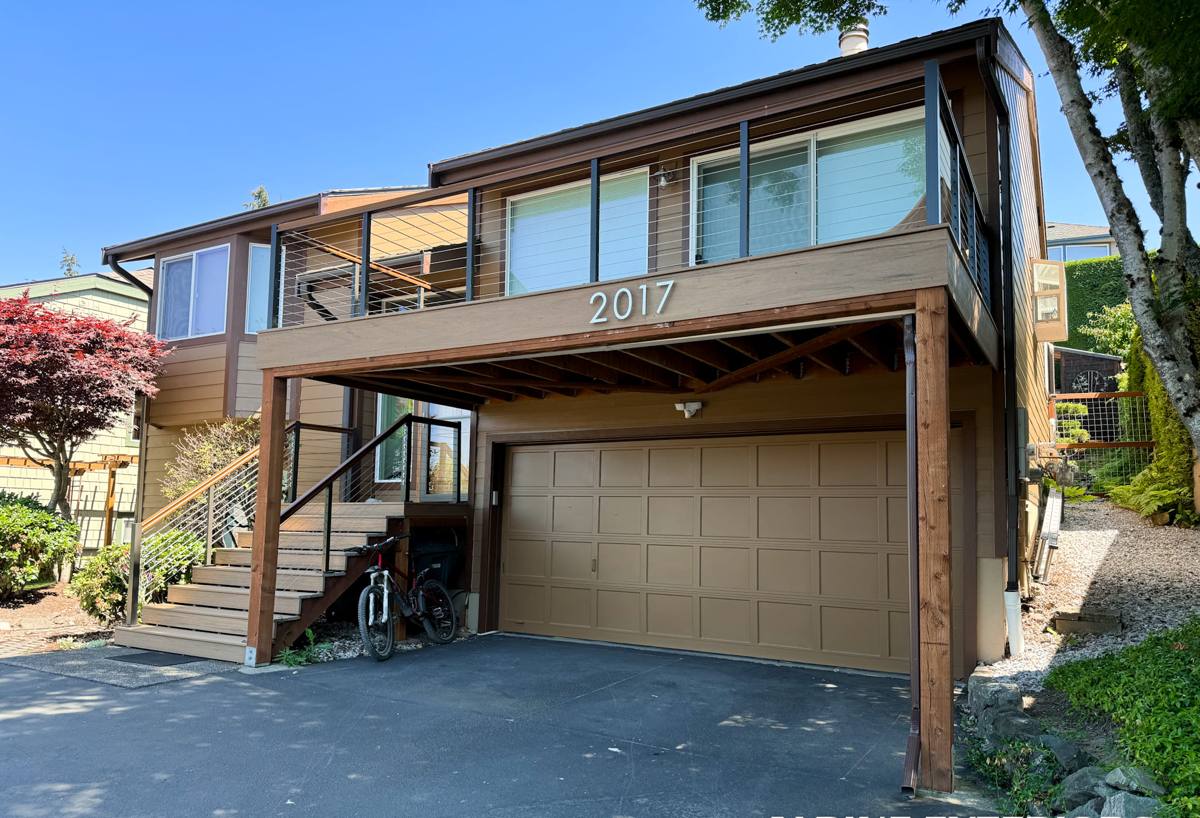
What "Correct" Siding Installation Actually Involves
Siding is a water management system, not just a finish layer. In a climate like Lynden's, every detail that controls where water goes — and how fast it dries out when it gets in — matters as much as the panel or plank itself.
The details that actually determine performance
- A drainage plane and weather-resistive barrier installed with proper shingle-lap sequencing, so water is directed out and down, never trapped against the sheathing
- Rain screen or furring where conditions call for it, giving the wall assembly an air gap to dry
- Correctly flashed windows, doors, and penetrations, with head flashing that actually sheds water past the siding below it
- Manufacturer-specified fastening — fastener type, spacing, and depth all affect how a panel holds up under repeated wetting and drying
- Proper clearance from grade, decks, patios, and roof lines, so splash-back and standing moisture don't sit against the bottom course
- Correctly sealed and caulked joints at trim, corners, and penetrations, using products rated for the exposure
Skip any one of these and the siding can look fine for a year or two while moisture works its way into the wall assembly behind it. That's the failure mode that's hardest for homeowners to catch early, and the most expensive to fix once it shows up as rot in the sheathing or framing.
Why James Hardie Fiber Cement Is the Only Product We Install
We install James Hardie fiber cement siding exclusively. We don't install vinyl, LP SmartSide, cedar, primed spruce, or other fiber cement brands, and we're upfront with Lynden homeowners about why.
Vinyl expands, contracts, and can warp under temperature swings, and it relies almost entirely on caulking and lap joints for weather resistance rather than a rigid, engineered water-management system — a real liability in a climate with this much sustained wet weather. Wood and wood-based composite products offer a natural look but demand a maintenance commitment — regular repainting, sealing, and moisture monitoring — that most homeowners underestimate until the product is already showing damage. Other fiber cement brands aren't inherently bad, but James Hardie is the product we've found performs most consistently when installed to spec, backs it with a strong transferable warranty, and offers HZ5 and HZ10 product lines specifically engineered for wet, humid climates like this one.
James Hardie's ColorPlus factory-applied finish is baked on and warrantied against peeling, chipping, and cracking, which matters directly in Lynden: a factory finish that holds its bond through repeated wet-dry cycles avoids the recoating and touch-up work that field-painted siding or wood trim requires every few years. It's non-combustible fiber cement, resists moss and mildew growth far better than wood-based products, and holds paint and color far longer than the alternatives we don't install.
What we won't do
We won't install a product on a Lynden home that we know is going to require more maintenance, moisture vigilance, or repainting than the homeowner is expecting. That standard is why our product line is narrow — we'd rather do one product exceptionally well than offer five options and let installation quality slide.
Our Installation Process, Step by Step
Every Lynden project follows the same sequence, because skipping steps is where most siding failures start.
- On-site assessment. We inspect the existing siding, sheathing, and trim, and check for any signs of prior moisture damage before quoting the job.
- Tear-off and sheathing inspection. Old siding comes off and the sheathing underneath gets a real look — not a guess. Any soft or damaged sheathing is flagged and addressed before anything new goes up.
- Weather-resistive barrier and flashing. House wrap or building paper goes on with correct lap sequencing, and all window, door, and penetration flashing is installed or verified before siding starts.
- Rain screen where called for. Depending on wall assembly and exposure, we install furring to create a drainage gap behind the siding.
- James Hardie installation. Panels, planks, or shingles go up per manufacturer fastening specs, with correct clearances from grade, roofs, and decks maintained throughout.
- Trim, caulking, and final detail work. Corners, trim boards, and joints are finished and sealed with products rated for sustained wet exposure.
- Final walkthrough. We review the finished work with the homeowner before calling the job complete.
Signs Your Lynden Home Needs New Siding
Some warning signs are obvious. Others are easy to write off as cosmetic until they've become structural.
- Persistent moss or dark staining that comes back within weeks of cleaning
- Soft spots when you press on siding or trim near the bottom courses or below windows
- Visible warping, buckling, or gaps between boards or panels
- Paint that's peeling, bubbling, or failing well before it should
- Rising energy bills that suggest the wall assembly isn't performing the way it used to
- Visible rot at corners, trim, or anywhere siding meets a roofline or deck
If you're seeing more than one of these, it's worth having someone look at what's happening behind the siding, not just at the surface.
Cost Factors for a Lynden Siding Installation
Every home is different, but the same variables drive cost on most Lynden projects. We won't quote a number without seeing the house, but here's what moves the estimate up or down.
| Factor | Why it matters |
|---|---|
| House size and wall complexity | More corners, gables, and dormers mean more cutting, flashing, and labor time |
| Condition of existing sheathing | Rot or moisture damage found during tear-off requires repair before new siding can go on |
| Siding profile chosen | Lap siding, shingle-style, and panel systems differ in material and labor cost |
| Rain screen requirement | Adding a furring/drainage gap increases material and labor but improves long-term drying performance |
| Trim and detail work | Extensive trim, window casing, and corner detail add time and material |
| Accessibility | Two-story walls, steep grades, or limited equipment access affect labor time |
Choosing a Siding Contractor Who Actually Works Lynden
A crew that regularly works Whatcom County knows what this climate does to a wall assembly that isn't detailed correctly, and they've likely already seen the specific failure patterns common to this area's wet-dry cycles and moss exposure. That experience shows up in the details — flashing sequence, rain screen decisions, fastener choices — that don't show up in a sales pitch but absolutely show up ten years later.
Questions worth asking before you hire anyone
- Are you James Hardie certified, and can you explain your flashing and drainage approach for this specific home?
- Will you inspect and address sheathing condition before installing new siding, not after problems appear?
- What does your written warranty cover, and how does it differ from the manufacturer's product warranty?
- Can you walk me through your fastening and clearance approach and why it fits this climate?
- Do you carry current licensing and insurance, and can you provide proof?
A contractor who hesitates on any of these, or who's vague about installation details in favor of talking price, is worth a second look before you sign anything.
Get a Straight Answer for Your Lynden Home
If your siding is showing signs of wear, or you're planning ahead for a replacement, we're happy to take a look and give you an honest assessment — what your home actually needs, what it doesn't, and what a correct James Hardie installation would involve. There's no pressure and no obligation. Use the form below to request a free estimate.