 Bellingham
 Deck Building in Silver Beach: Built for This Climate, Not Just This Season
Silver Beach sits close enough to the water that homeowners here deal with a different set of conditions than someone building a deck further inland. Salt-laden air, driving rain off the water, and a moss season that can run half the year all put extra stress on outdoor structures. A deck that would hold up fine in a dry inland climate can start showing problems within a few years here if it wasn't built with this environment in mind. That's the difference between a deck that's just installed and one that's actually built for Bellingham.
We build and repair decks throughout Whatcom County, and Silver Beach comes with its own short list of things we always account for: moisture that doesn't fully dry out between rain events, fastener corrosion from salt-influenced air, and organic growth on any surface that stays shaded or damp too long. None of this means a deck here can't last decades. It means the framing, fasteners, and decking material all have to be chosen and installed with those conditions in mind from day one, not patched later.
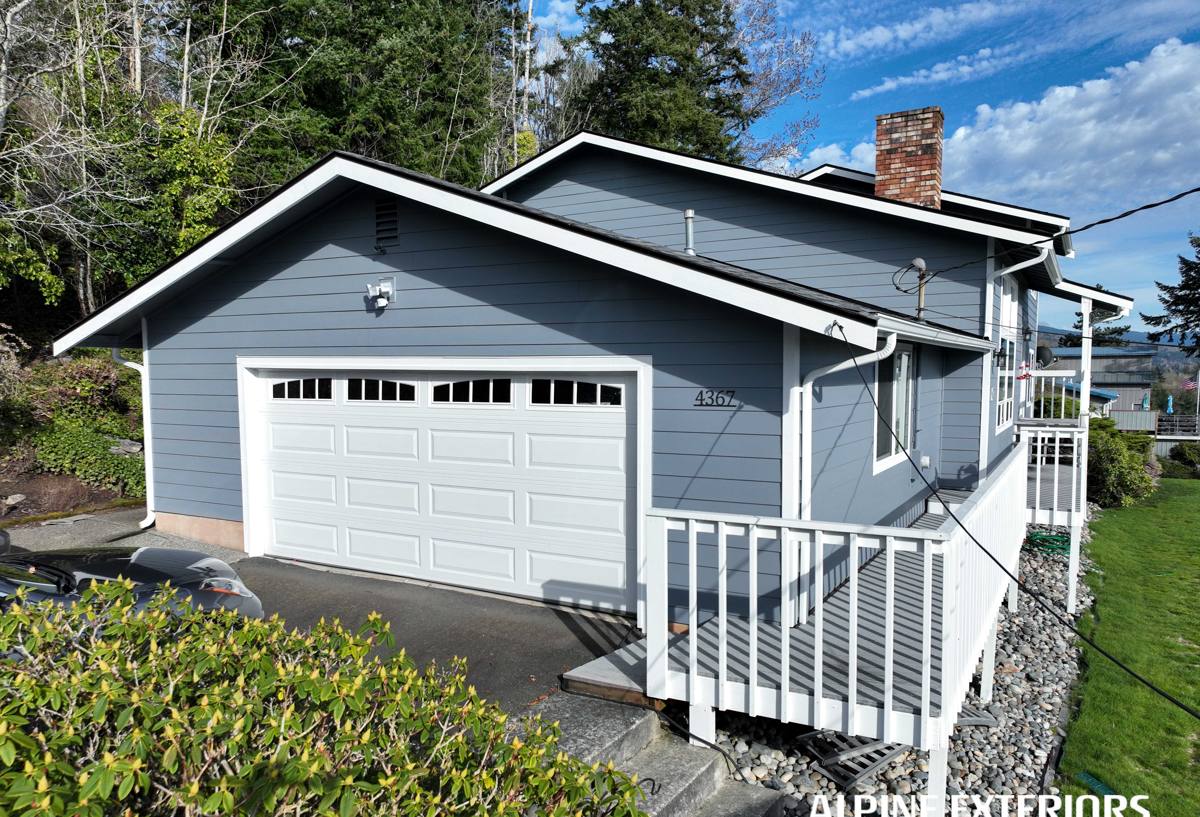
What Silver Beach Homes Need From a Deck
A good deck in this neighborhood has to do more than look nice for the first summer. It needs to shed water efficiently, resist the kind of slow rot that starts in hidden joints, and hold up to fasteners rusting or staining the wood around them. We also pay attention to airflow underneath and around the structure — a deck that's tight to the ground or boxed in without ventilation traps moisture and becomes a moss and mildew magnet within a couple of seasons, especially on the shadier side of a house.
Site-Specific Factors We Check Before Building
- Sun exposure and shade patterns across the day, since shaded sections dry out slower and grow moss faster
- Existing drainage on the lot — where water runs off during heavy rain and whether it pools near footings
- Wind exposure, which affects railing design and how much the structure needs to be braced
- Ground slope and soil conditions where footings will be set
- Proximity to the house's existing drainage, gutters, and downspouts so the new deck doesn't interfere with water management
What a Correctly Built Deck Actually Involves
A lot of deck problems we get called out to fix didn't start with bad material — they started with shortcuts in the parts nobody sees once the boards are down. Framing, flashing, and fastener choices matter more than the decking surface itself when it comes to how long a deck lasts in a wet climate.
Framing and Structure
We use lumber rated for ground contact where it's near soil or moisture, and we frame with proper spacing so the structure can flex slightly with temperature and moisture changes without cracking joints or popping fasteners. Joist spacing is set for the decking material being used, not a generic default — composite and wood often call for different spacing to avoid sagging or bounce over time.
Ledger Attachment and Flashing
Where a deck attaches to the house, this is the single most common failure point we see in older decks. Water gets behind the ledger board where it meets the siding and rots the rim joist from the inside, often for years before it's visible from outside. Correct flashing — installed in the right order relative to the house's weather-resistive barrier — is what actually keeps that water out. This is not an area to cut corners on, ever.
Fasteners and Hardware
Given the salt-air exposure common in this area, we use corrosion-resistant fasteners and structural connectors rated for exterior and coastal-adjacent use. Standard interior-grade hardware will streak, weaken, and eventually fail faster here than in a drier inland location, and replacing hidden hardware later means tearing into finished decking.
Footings
Footings are set below frost depth and sized for the soil conditions on your specific lot, not a one-size-fits-all pour. Poor footing work is one of the main reasons older decks develop a noticeable bounce or lean over time.
Decking Material Options for This Climate
There's no single "best" decking material for every home — it depends on your budget, how much upkeep you want to do, and how the deck will be used. Here's how the common options actually compare once you factor in Whatcom County's wet, mossy climate.
| Material | Upfront Cost | Moisture Behavior Here | Maintenance |
|---|---|---|---|
| Pressure-treated lumber | Lowest | Good if properly sealed and maintained; needs re-sealing to resist moisture intake | Annual cleaning, periodic sealing or staining |
| Cedar | Moderate | Naturally rot-resistant but still needs sealing to prevent graying and moisture absorption | Regular cleaning, sealing every 1-2 years |
| Composite decking | Higher | Doesn't absorb moisture or rot, but can still grow surface moss/mildew if not cleaned | Periodic washing, no sealing or staining needed |
| PVC decking | Highest | Fully moisture-resistant, best resistance to staining and mold growth | Occasional washing only |
We'll walk through these options honestly based on your budget and how much maintenance you actually want to keep up with — there's no upsell here, just trade-offs worth understanding before you commit.
Our Deck Building Process
Every deck project follows the same basic sequence, whether it's a small platform off a side door or a full multi-level deck.
- On-site assessment: We look at your lot's drainage, sun exposure, existing structure (if replacing a deck), and how you plan to use the space.
- Design and material selection: We talk through layout, railing style, and material options with real trade-offs explained, not just upsells.
- Permit handling: We take care of permitting requirements with the local jurisdiction so you don't have to navigate that process yourself.
- Demolition and site prep (if applicable): Old decking is removed and the site is checked for any hidden rot or damage before rebuilding.
- Framing and footings: The structural work goes in first, including flashing at the ledger board and footings set to code depth.
- Decking, railing, and finish work: The visible surface goes on last, along with railings, stairs, and any lighting or finish details.
- Final walkthrough: We go over the finished deck with you and explain what maintenance it needs going forward.
Common Deck Problems We Fix in Silver Beach
Because of how many older decks we've assessed and repaired in this neighborhood, we see the same handful of issues repeat:
- Rot at the ledger board connection from missing or failed flashing
- Rusted or corroded fasteners staining the decking and weakening connections
- Moss and algae buildup on shaded sections that were never designed with airflow underneath
- Footings that were undersized or set too shallow, leading to a soft or bouncy feel
- Railings that have loosened from repeated moisture cycling in the post connections
If any of this sounds familiar, it doesn't necessarily mean the whole deck needs to be torn out. Sometimes it's a targeted repair; sometimes a rebuild is genuinely the more cost-effective long-term choice. We'll tell you honestly which one applies to your situation.
Permits and Local Requirements
New decks and significant deck rebuilds in the Bellingham area typically require a building permit, depending on the size, height, and attachment to the home. Requirements can vary based on your specific lot and jurisdiction within Whatcom County. Rather than guessing, we handle the permit research and submission as part of the project so the work is done to code and won't cause problems if you sell the home later.
Maintaining Your Deck Once It's Built
Even the best-built deck needs some seasonal attention in this climate. Here's a simple checklist we give homeowners after a project wraps up.
- Sweep off leaves and debris regularly, especially in fall, so moisture doesn't sit trapped against the surface
- Rinse or lightly scrub shaded areas periodically to keep moss and algae from taking hold
- Check fastener heads and railing connections once a year for corrosion or looseness
- Reseal or restain wood decking on the schedule appropriate to the material — don't wait until it visibly grays or absorbs water
- Keep gutters and downspouts clear so water isn't draining directly onto or under the deck
- Trim back vegetation that's shading the deck and keeping it damp longer than it needs to be
Why Hire a Crew That Already Works in Silver Beach
A contractor who's built decks elsewhere in the country can still do competent framing, but the details that make a deck last in this specific climate — flashing sequencing against local siding types, fastener selection for salt-influenced air, footing depth for local soil and frost conditions — are things you learn from working in this exact area, season after season. We're not guessing at what Whatcom County weather does to an outdoor structure over ten or twenty years. We're building around it from the first footing.
We also know what tends to fail first on decks in this specific neighborhood, which means we're not just building to code minimums — we're building past the common failure points we've already seen firsthand.
Get a Straightforward Estimate
If you're planning a new deck or dealing with an aging one in Silver Beach, we're happy to come take a look and give you an honest read on what it needs — no pressure, no inflated scope. Use the form below to request a free estimate.