 Bellingham
 Building Decks for Sudden Valley's Wooded, Lake-Facing Lots
Sudden Valley sits in a different microclimate than a lot of Bellingham. The tree cover is heavier, the lots are often sloped toward Lake Whatcom, and shade lingers longer into the day than it does on open ground closer to town. That combination — shade, moisture, and tree debris — is exactly what shortens the life of a poorly built deck. We've built and repaired decks throughout this neighborhood long enough to know which details matter here and which ones are just extra cost.
This page is specifically about deck building in Sudden Valley — not a general overview of decking. If you're comparing materials, planning a rebuild, or trying to figure out why your current deck is failing early, this is written for your situation.
What Whatcom County's Climate Does to a Deck
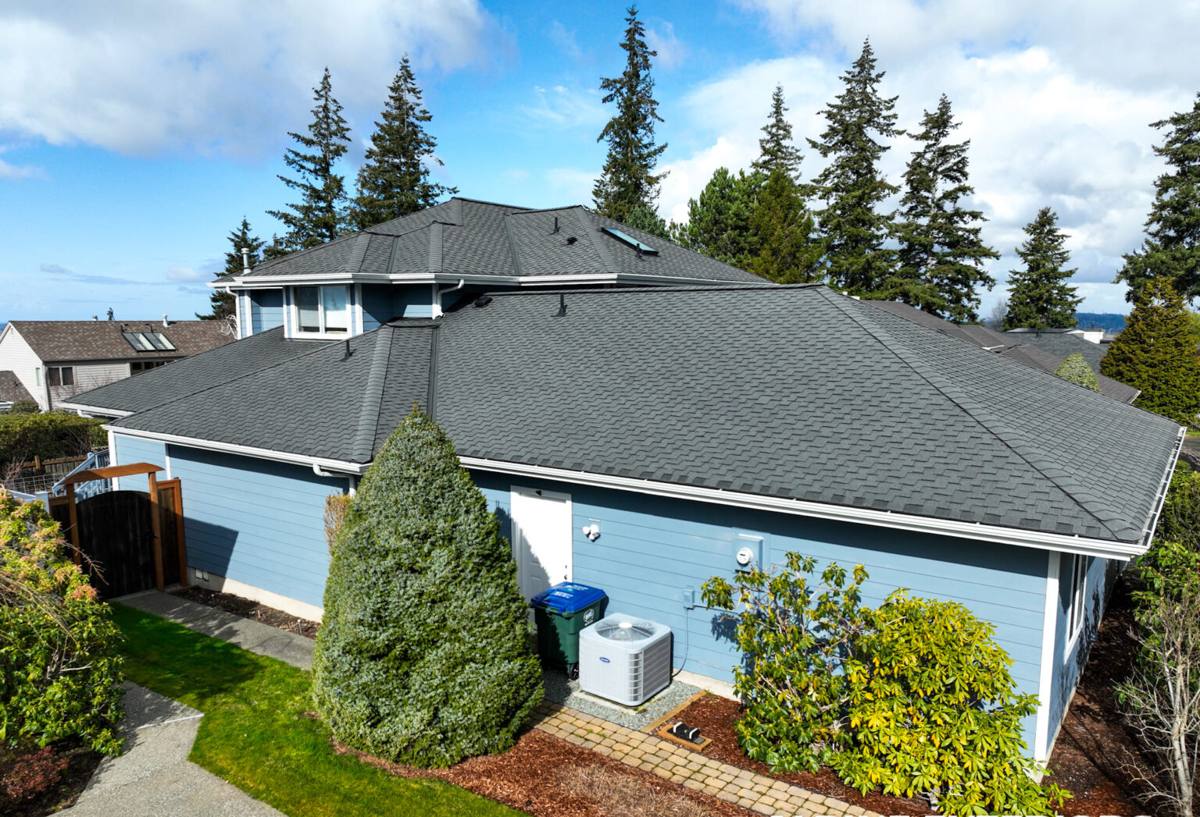
Bellingham and the rest of Whatcom County get a long wet season, and Sudden Valley's tree canopy adds to it. Even after the rain stops, shaded decks stay damp longer than decks in open sun. That extended damp period is what drives three of the most common deck problems we see out here:
- Moss and algae growth on deck boards, especially on the north-facing or heavily shaded sections that don't get direct sun to dry out.
- Wood rot at ledger boards, joists, and post bases — the structural points where water collects and doesn't drain or evaporate quickly.
- Slippery surfaces from moss and algae film, which is a real safety issue on stairs and near entry doors.
Homes closer to Bellingham Bay also deal with salt-laden air that accelerates corrosion on fasteners and metal hardware. Sudden Valley is set back from the bay, so salt exposure is lighter here than on waterfront lots downtown, but it's still part of the regional air quality a deck has to hold up against over the years. None of this means a deck can't last decades in this neighborhood — it means it has to be built with the local conditions in mind from the start, not treated like a generic build.
Why "It Looked Fine When It Was Built" Doesn't Last
A lot of the deck problems we get called out for started as a good-looking installation with a shortcut underneath — flashing skipped at the ledger board, joists left without protective tape, or fasteners that weren't rated for treated lumber's chemical makeup. Those shortcuts don't show up as a problem for a year or two. In a shaded, damp environment like Sudden Valley, they show up faster than they would on a drier lot, because the wood simply doesn't get the chance to dry out between rain events.
What a Correctly Built Deck Includes
A deck that's actually built for this climate — not just built to code minimum — includes a specific set of details. If you're getting quotes from more than one contractor, this is the list to compare against.
| Component | Why It Matters Here |
|---|---|
| Ledger board flashing | Prevents water from tracking behind the ledger and rotting the house rim joist — the single most common failure point on attached decks |
| Joist tape / protective barrier | Seals the top of each joist so standing moisture from shaded, slow-drying conditions can't soak into cut lumber |
| Corrosion-resistant fasteners and hardware | Matched to the type of treated lumber used, and rated for coastal-adjacent, high-moisture air |
| Post base connectors, not buried posts | Keeps wood off wet soil and out of standing water at grade — a major rot source on sloped, shaded lots |
| Proper board spacing and airflow underneath | Lets the deck actually dry between rain events instead of trapping moisture against the framing |
| Grading and drainage under the deck | Directs water away from posts and footings instead of letting it pool on sloped ground |
Choosing Decking Material for a Shaded, Wet Lot
Material choice matters more in Sudden Valley's tree cover than it does on an open, sunny lot. Here's the honest trade-off breakdown we walk homeowners through:
Pressure-Treated Wood
Lowest upfront cost and easy to repair board-by-board. It needs more maintenance in a shaded, damp setting — regular cleaning to keep moss from taking hold, and periodic sealing to keep water from soaking into the grain. It's a reasonable choice if you're willing to stay on top of that upkeep.
Cedar
Naturally more rot- and insect-resistant than treated lumber and it looks good in a wooded setting, but it still needs regular cleaning and refinishing in a shaded, humid spot. It's a mid-cost, higher-maintenance option that a lot of homeowners choose for the appearance.
Composite Decking
Higher upfront cost, but it doesn't absorb moisture the way wood does and it won't rot. It still needs occasional cleaning — composite can grow surface algae or moss film in heavy shade just like wood can — but there's no sealing or refinishing involved, and no risk of the board itself rotting from the inside. In a shaded lot like a lot of Sudden Valley properties, that's a real long-term maintenance saving. The trade-off is that composite systems are less forgiving to install — the substructure and fastening have to be done to the manufacturer's spec or the warranty doesn't hold.
A Quick Maintenance Reality Check
- Every deck in this neighborhood benefits from an annual cleaning to knock back moss and algae before it gets established.
- Wood decking (treated or cedar) needs sealing on a regular cycle — skipping it is the single biggest reason wood decks fail early here.
- Composite needs far less upkeep but isn't zero-maintenance — surface film still needs the occasional wash.
- Whatever the surface material, the framing underneath is what determines the real lifespan of the deck.
Design Considerations for Sudden Valley Lots
Sloped, tree-covered lots around Lake Whatcom bring some specific design questions we work through with homeowners here:
Grade and Footings
Sloped lots often need taller posts and more careful footing placement than a flat-lot deck. We check drainage patterns on the specific lot before finalizing footing locations, so water is directed away from the structure rather than pooling against it.
Shade and Sun Exposure
Where the sun actually hits your lot over the course of a day changes which parts of the deck will dry out and which won't. That affects both material recommendations and where we'd suggest extra ventilation gaps or a different board orientation.
Railing and Guard Requirements
Elevated decks on sloped lots typically need guard rails at a certain height under code, and stair railings where the rise requires them. We build these to current code requirements as a standard part of the job, not an upsell.
Our Process for a Sudden Valley Deck Project
- On-site assessment — we look at the actual grade, shade pattern, and drainage of your specific lot, plus the condition of any existing deck or structure being replaced.
- Material and design conversation — we walk through the honest trade-offs above based on how your lot actually behaves, not a generic recommendation.
- Permitting — deck projects in Whatcom County typically require a permit; we handle that as part of the project so it's not left on your plate.
- Build — ledger flashing, joist protection, corrosion-resistant hardware, and proper drainage detailing done as standard practice, not optional add-ons.
- Final walkthrough — we go over the finished deck with you, including what maintenance schedule makes sense for the material you chose.
Repair, Replace, or Rebuild?
Not every deck problem in Sudden Valley means starting over. If the framing is sound and the damage is limited to surface boards or a section of railing, targeted repair is often the right call. If we find rot at the ledger board, compromised post footings, or framing that was never flashed correctly, patching the surface just delays a bigger problem — and in a shaded, wet lot, that problem moves faster than it would somewhere drier. Part of our assessment is being straight with you about which category your deck falls into before any work starts.
Why a Local Crew Matters for This Job
Deck building isn't just carpentry — it's carpentry that has to survive your specific lot's drainage, shade, and weather pattern for decades. A crew that already works in Sudden Valley and the surrounding Bellingham area has seen how these lots actually behave through a wet Whatcom County winter, not just how they look on a sunny install day. That's the difference between a deck that needs attention in three years and one that holds up properly.
If you're planning a new deck, replacing an aging one, or just want an honest read on what condition yours is in, we're happy to take a look. Fill out the form below for a free, no-pressure estimate.