 Bellingham
 Asphalt Shingle Roofing for Sunnyland Homes
Sunnyland's mix of older Bellingham homes and newer infill sits close enough to the water that salt air is a real factor in how a roof ages, and far enough into Whatcom County's wet season that moss and moisture do the rest of the damage. Asphalt shingle roofing remains the most practical choice for most homes here — it's proven, repairable, reasonably priced, and available in styles that suit both the neighborhood's older bungalows and its newer builds. The catch is that "asphalt shingles" covers a wide range of quality and installation practice, and in a climate like ours, the difference between a correctly installed roof and a rushed one shows up fast — usually as moss streaking, granule loss, or a leak at a valley or penetration within the first few wet seasons.
This page covers what a shingle roof needs to hold up in Sunnyland specifically, what a correct installation actually involves, and how we approach the work when we're on your street.
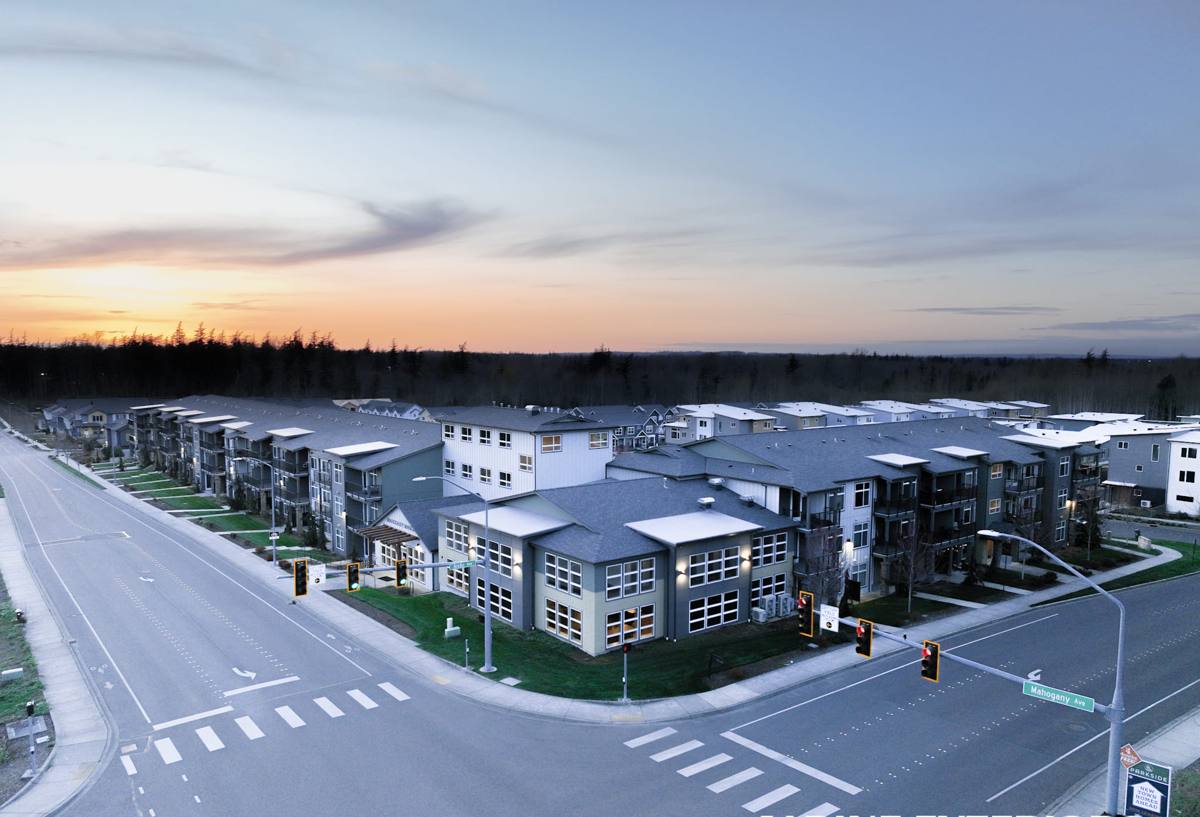
Why Sunnyland's Climate Is Hard on Roofs
Bellingham sits on Bellingham Bay, and Sunnyland is close enough to the water that homes here deal with a steady dose of salt-laden air on top of the region's already heavy rainfall. That combination creates a few specific problems for roofing:
- Salt air accelerates corrosion on exposed metal — nails, flashing, vent caps, and drip edge — long before the shingles themselves are due for replacement.
- Driving rain off the bay pushes water sideways under wind-driven conditions, which means underlayment quality and flashing detail matter more here than in drier, calmer inland areas.
- A long moss season, typically running from fall through spring, gives moss and algae months to establish themselves on shaded, north-facing, or tree-covered roof sections.
- Tree cover common in older Sunnyland lots adds debris load and keeps roof surfaces damp longer after rain, which feeds moss growth and slows drying.
None of this means asphalt shingles are the wrong material — it means the installation has to account for these conditions from the start, rather than relying on the shingle alone to do all the work.
What Moss and Algae Actually Do
Moss isn't just cosmetic. As it establishes on a shingle roof, it holds moisture against the shingle surface, which shortens the life of the granule coating and can lift shingle edges as roots and rhizoids work into the seams. Left long enough, moss growth can telegraph into soft spots on the decking below, especially on north-facing slopes that see less direct sun. Regular moss treatment and, more importantly, correct roof design (proper ventilation, minimal shade-trapping details) reduce how aggressively moss returns.
What a Correct Shingle Roof Installation Involves
A shingle roof is a system, not a single product. Every layer has a job, and skipping or shortcutting any one of them is where most of the leaks and premature failures we get called out for actually originate.
Tear-Off and Deck Inspection
We remove old roofing down to the deck rather than layering over existing shingles. This lets us inspect the sheathing for soft spots, delamination, or water staining — issues that are common on older Sunnyland homes where a roof may have been re-covered once already. Any damaged decking gets replaced before anything new goes down; installing over compromised sheathing just guarantees a callback.
Underlayment
Given how much wind-driven rain this area sees, we use a synthetic underlayment as the primary water-resistive layer, with self-adhered ice-and-water membrane at the eaves, valleys, and any low-slope transitions where water is most likely to back up or pool. This is one of the areas where corner-cutting shows up years later as a leak with no obvious external cause.
Flashing
Flashing around chimneys, skylights, sidewalls, and roof-to-wall transitions is where the majority of roof leaks originate — not the shingle field itself. We install new flashing rather than reusing old, corroded pieces, and we pay particular attention to step flashing and counter-flashing details given how much salt exposure accelerates metal corrosion in this area.
Ventilation
Proper intake and exhaust ventilation keeps the attic space at a consistent temperature and humidity, which does two things: it extends shingle life from underneath, and it reduces the moisture buildup that contributes to moss growth and ice damming during cold snaps. A roof can look perfect on the surface and still fail early if the attic underneath isn't breathing correctly.
Shingle Installation and Fastening
Nailing pattern and placement matter more than most homeowners realize — shingles fastened too high, too low, or with too few nails are far more likely to blow off in the wind events that come through off the bay. We follow manufacturer fastening specifications exactly, which is also what keeps the shingle warranty valid.
Choosing the Right Shingle for a Sunnyland Home
Not every asphalt shingle is built the same, and for a home exposed to salt air and heavy moss pressure, the differences matter.
| Shingle Type | Typical Lifespan | Best Fit For |
|---|---|---|
| 3-tab | 15-20 years | Budget-conscious re-roofs on simpler rooflines |
| Architectural / dimensional | 25-30 years | Most Sunnyland homes — better wind rating and moss resistance |
| Algae-resistant (copper-granule) architectural | 25-30 years | Shaded or north-facing roofs with heavy tree cover |
| Premium / designer architectural | 30+ years | Older or higher-visibility homes where roof profile matters |
For most homes in this neighborhood, we recommend an architectural shingle with algae-resistant granules. The upcharge over a standard shingle is modest, and given how long moss season runs here, it's one of the better dollar-for-dollar upgrades available at install time.
Repair, Re-Roof, or Full Tear-Off?
Not every roof problem in Sunnyland requires a full replacement. We evaluate three factors before recommending a scope of work:
- Age relative to shingle type — a 12-year-old architectural roof with isolated damage is usually a repair candidate; a 20-year-old 3-tab roof showing granule loss across the field generally isn't.
- Extent of moss and moisture damage — surface moss with no lifted shingles can often be treated and monitored; moss that's worked under shingle edges is a sign the underlying seal is already compromised.
- Decking condition — this can only be confirmed with an inspection, and it's the single biggest factor in whether a re-roof is realistic or a full tear-off is the honest recommendation.
We'll tell you plainly which category your roof falls into rather than defaulting to the most expensive option.
Signs a Sunnyland Roof Needs Attention
- Granules collecting in gutters or at downspout outlets
- Dark streaking or visible moss growth, particularly on north-facing slopes
- Curling, cupping, or cracked shingles
- Soft or spongy decking felt when walking the roof (we check this, not a DIY step)
- Daylight visible through the attic decking or staining on attic sheathing
- Missing or lifted shingles after a windstorm off the bay
Our Process
- On-site inspection — we walk the roof and attic, check flashing, decking, and ventilation, and note anything salt- or moss-related specific to the home's exposure.
- Written estimate — a clear scope of work and honest pricing range, with material options explained rather than upsold.
- Scheduling around Whatcom County weather — we plan tear-off and dry-in around forecasted rain windows rather than leaving a roof open overnight in an unplanned storm.
- Installation — deck repair as needed, underlayment, flashing, ventilation, and shingle installation per manufacturer spec.
- Final walkthrough — we review the completed roof with you, including gutter and downspout condition, before calling the job done.
Why a Crew That Knows Sunnyland Matters
A roofing crew that regularly works in this part of Bellingham already knows which details can't be skipped here — the flashing standards needed for salt air exposure, the underlayment and valley treatment needed for wind-driven rain, and the ventilation and shingle choices that actually slow moss down instead of just delaying it. That local pattern recognition is the difference between a roof that's installed to a generic national spec and one that's installed for the conditions it will actually face on your street. It also means faster response if a storm causes damage and you need someone who already knows the neighborhood's typical roof pitches, access, and common trouble spots.
Maintenance That Extends Roof Life Here
Even a correctly installed shingle roof benefits from basic upkeep given how long moss season runs in Whatcom County:
- Keep gutters and downspouts clear so water isn't backing up under the eaves
- Trim overhanging branches to reduce shade and debris buildup on the roof surface
- Have moss treated before it establishes deeply rather than after shingles start lifting
- Schedule a periodic roof check, especially after major windstorms off the bay
None of this requires a large annual budget — it's mostly about not letting small issues sit through an entire wet season unaddressed.
If you're noticing moss, granule loss, or you're just not sure how much life is left in your current roof, we're happy to take a look and give you a straightforward, no-pressure estimate. Use the form below to get started.