 Bellingham
 Roof Repair Built for Sunnyland's Climate, Not a Generic Checklist
Sunnyland is one of Bellingham's older, more established neighborhoods, with a mix of mid-century homes, craftsman bungalows, and newer infill sitting under a lot of mature tree canopy. That combination — older roof decks, shaded lots, and proximity to Bellingham Bay — creates a specific set of roofing problems that a roofer who mostly works new-construction subdivisions on the east side of the county simply doesn't see as often. Roof repair here isn't just about patching a leak; it's about understanding why that particular section of roof failed first, and whether the fix will actually hold through another Whatcom County winter.
This page is about roof repair specifically — not full replacement, not general home exteriors. If your roof still has useful life left in it but has a problem area, this is what a correct repair looks like for a Sunnyland home.
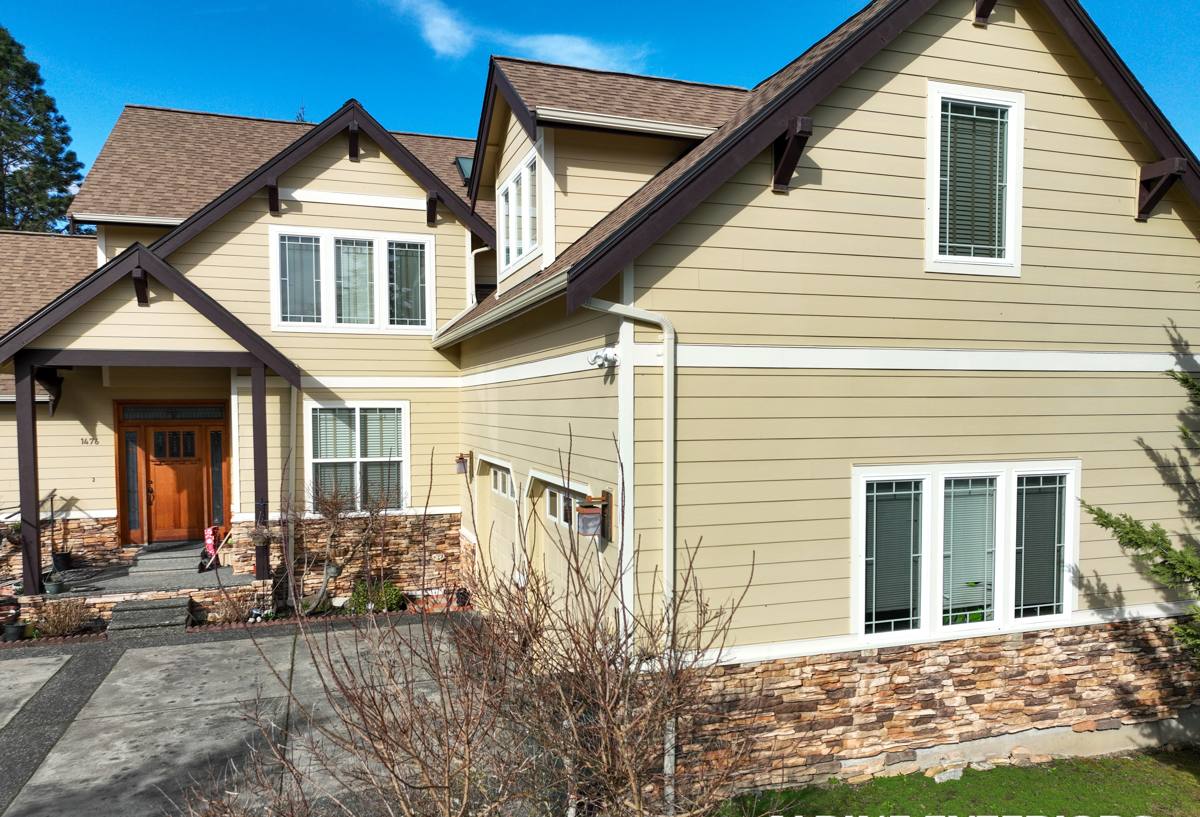
Why Sunnyland Roofs Take a Beating
Salt Air and Slow Corrosion
Bellingham Bay is close enough that homes in Sunnyland get a steady dose of salt-laden air, especially during winter storms coming off the Salish Sea. Salt air accelerates corrosion on exposed metal roofing components — flashing, fasteners, vent boots with metal collars, and gutter hardware. A fastener or flashing seam that would last decades inland can start rusting and losing its seal years earlier this close to the water. It's rarely dramatic; it's a slow weakening that shows up as a leak only after the damage is already done underneath.
Driving Rain and Wind-Driven Water
Pacific storms don't just drop rain straight down here — they push it sideways. Driving rain finds every gap in flashing, every lifted shingle tab, every under-driven nail, and drives water uphill under roofing material where gravity alone would never carry it. This is why so many "small" leaks in this area trace back to flashing details — around chimneys, skylights, dormers, and roof-to-wall transitions — rather than open holes in the field of the roof.
A Long Moss Season
Mild, wet winters and a lot of shade from mature trees mean moss has a long growing season in Sunnyland. Moss isn't just cosmetic. It holds moisture against the roofing material, lifts shingle edges as it grows, and works its root structure into seams and granule surfaces. On composition shingles, sustained moss growth shortens usable roof life. On older cedar or aging asphalt roofs, it accelerates rot in the deck below. Any honest roof repair in this area has to address the moss, not just the leak it caused.
Common Roof Problems We See in Sunnyland
Every roof and lot is different, but repair calls in this neighborhood tend to fall into a handful of repeat categories:
- Flashing failure around chimneys, skylights, and roof-wall intersections — usually the actual leak source even when the visible damage is elsewhere
- Moss-related shingle lifting and granule loss on north-facing or heavily shaded roof planes
- Clogged or undersized gutters backing water up under the roof edge during heavy rain
- Nail pops and wind-lifted tabs from winter storm gusts
- Deteriorated pipe boots and vent seals — rubber components that dry out and crack faster than the shingles around them
- Ice-dam-adjacent moisture damage on north or shaded roof slopes during cold snaps
- Deck rot under older roofing where moisture has been trapped for a season or more without being noticed
What a Correct Roof Repair Actually Involves
A lasting repair starts before anyone touches a shingle. We walk the roof (not just look at it from the ground), identify the actual water path — which is often several feet from where the stain shows up inside — and check the decking underneath for soft spots or rot before doing any surface work. Patching over a soft deck is one of the most common ways a "repaired" roof leaks again within a year.
Steps We Don't Skip
- Full roof and attic inspection to trace the real source, not just the visible symptom
- Removal of surrounding material as needed to inspect the deck and underlayment condition
- Replacement of any rotted or soaked decking before new roofing goes back down
- Correct flashing installation and integration with underlayment — layered so water sheds outward, never trapped
- Matching materials as closely as possible so the repair blends and performs consistently with the rest of the roof
- Moss treatment and, where relevant, zinc or copper strip installation to slow regrowth
- A final water test on tricky leaks, when practical, before we call the job done
Our Process, Start to Finish
We keep repair jobs straightforward and low-pressure:
- Inspection and estimate: We assess the roof in person, explain what we find in plain terms, and give you a written estimate — no upsell pressure toward a full replacement if a repair is the honest answer.
- Scope confirmation: Before work starts, you know exactly what's being repaired, what materials we're using, and roughly how long it will take.
- The repair itself: Most Sunnyland repair jobs are completed in a single day, weather permitting. Larger jobs involving deck replacement or multiple problem areas may take longer, and we'll tell you that upfront.
- Cleanup and walkthrough: We clear debris, old materials, and nails from the yard and roof, then walk the finished repair with you.
Repair vs. Replacement: How to Tell Which You Need
Not every roof problem in Sunnyland means a new roof. Here's a general guide to what tends to point which direction — every roof is different, and this is where an honest in-person inspection matters more than a table.
| Factor | Leans Toward Repair | Leans Toward Replacement |
|---|---|---|
| Roof age | Under 15–20 years, single failure point | Near or past expected material lifespan |
| Deck condition | Solid, dry decking under the problem area | Widespread soft spots or rot found during inspection |
| Number of problem areas | One or two isolated spots | Multiple failing areas across different roof planes |
| Moss and granule condition | Localized, shingles still holding granules | Widespread granule loss, shingle curling across the roof |
| Material availability | Matching shingles/material still obtainable | Discontinued material forcing visible mismatch |
If your roof is landing mostly in the middle column, a targeted repair is the right call, and we'll say so. We don't have a reason to talk a solid roof into a full tear-off.
Materials: What We Use and Why
Most repair work matches your existing roofing material as closely as possible — composition asphalt shingle, cedar shake, or metal — since consistency matters both for appearance and for how the roof sheds water as a system. On flashing and fasteners specifically, we lean toward corrosion-resistant metals given the salt air in this part of Bellingham; standard galvanized fasteners can start showing surface rust within a few seasons this close to the bay, while stainless or heavier-coated options hold up considerably longer. It costs a bit more upfront and it's worth it on a coastal repair.
For moss control, we favor mechanical removal and zinc or copper strip treatments over aggressive chemical moss killers, which can be hard on surrounding landscaping and gutters and only offer temporary control anyway. It's a maintenance trade-off we're upfront about: strips reduce regrowth but don't eliminate the need for periodic roof cleaning in a shaded, wet climate like this one.
Signs You Need a Roof Repair Now, Not Later
A small roof problem left through one more Whatcom County winter often turns into a much bigger and more expensive one. Watch for:
- Water stains on ceilings or upper walls, especially after a windy rainstorm
- Visible moss buildup, particularly on north-facing or shaded roof sections
- Granules collecting in gutters or at downspout outlets
- Curling, cracked, or missing shingle tabs
- Daylight visible through the attic roof deck
- Soft or spongy spots when walking the attic floor near the roofline
- Gutters overflowing during heavy rain, which can push water back under roof edges
If you're seeing more than one of these, it's worth getting an inspection before the next storm system moves in off the coast.
Why a Crew That Already Works in Sunnyland Matters
Roofing crews unfamiliar with this specific pocket of Bellingham sometimes miss the combination of factors at play here — salt air corrosion on flashing, the moss load from mature tree cover, and the way wind-driven rain behaves on older roof-wall transitions common in this neighborhood's housing stock. A crew that regularly works Sunnyland roofs recognizes these patterns faster, which means less time (and less of your money) spent diagnosing and more spent fixing the actual problem correctly the first time. It also means we're realistic about permit requirements and access on the neighborhood's older, sometimes tighter lots, and we show up knowing generally what condition to expect before we're even on the ladder.
Simple Maintenance That Extends Time Between Repairs
A roof repair should buy you real years, not just get you through the current leak. Between service visits, a few habits go a long way in this climate: keep gutters clear heading into fall storm season, trim back overhanging branches that keep roof sections shaded and damp, and have moss removed before it spreads rather than after shingles start lifting. None of this replaces a professional inspection every few years, but it reduces how often you need one urgently.
If you're dealing with a leak, visible moss, or just want an honest read on your roof's condition, we're happy to take a look. Reach out for a free, no-pressure estimate using the form below — we'll tell you straight whether it's a repair or something bigger.