 Bellingham
 Composite Decking Built for How Birchwood Actually Weathers
Birchwood is a settled, tree-lined residential pocket of Bellingham, and like most of the neighborhoods in this part of Whatcom County, it sits under a lot of moisture for a lot of the year. Homes here deal with salt-tinged air moving in off Bellingham Bay, driving rain that comes in sideways during fall and winter storms, and a moss season that can stretch from October well into spring depending on how much shade a yard gets. A deck built without those conditions in mind will show it within a few seasons — soft spots, green film, corroded fasteners, boards that cup or crown. A deck built correctly for this climate can look and perform well for decades. The difference is almost entirely in the details most homeowners never see: what's under the boards, not the boards themselves.
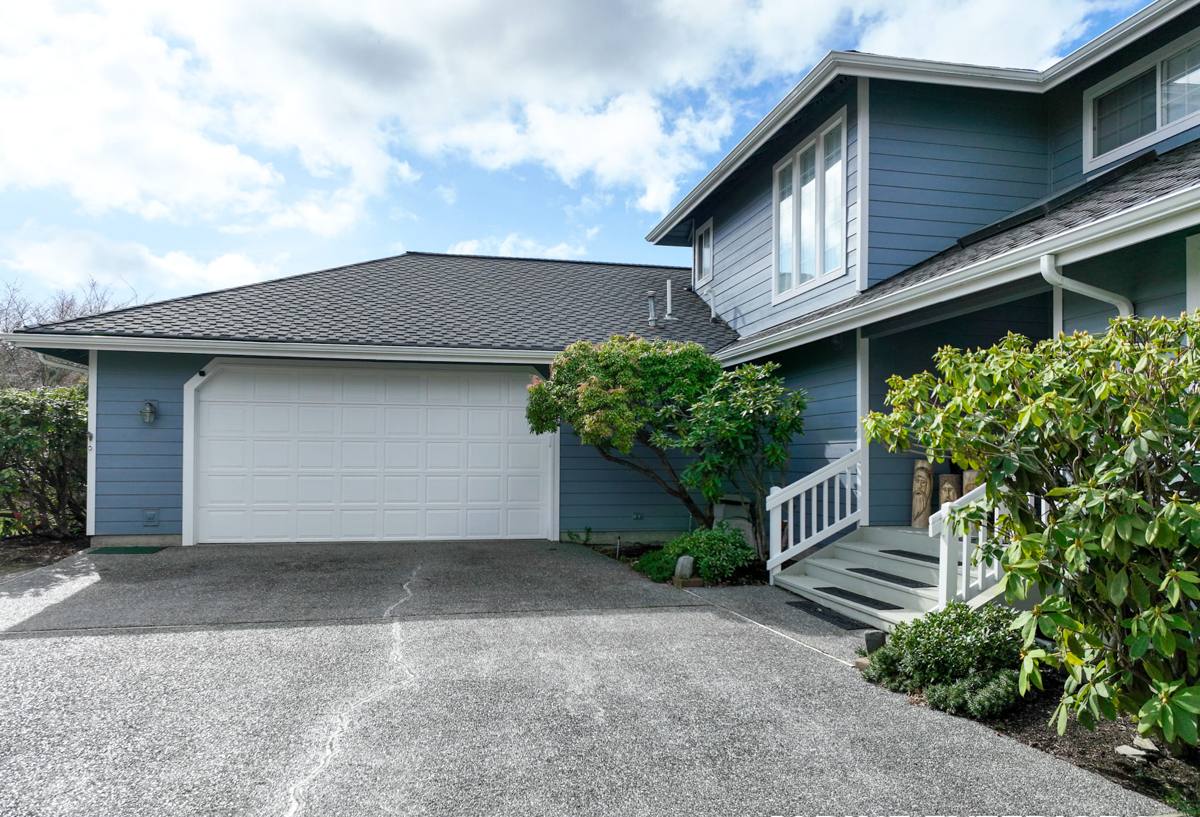
Why This Climate Is Hard on Decks
Salt Air and Corrosion
Bellingham's proximity to the water means a steady low-level exposure to salt-laden air, even for homes that aren't waterfront. Salt air accelerates corrosion on fasteners, brackets, and any exposed metal hardware. On an older or budget-built deck, this shows up as rust streaks bleeding through the decking, loose railing posts, and hardware that fails well before the boards do.
Driving Rain and Standing Water
Storms here don't just drop rain straight down — wind-driven rain gets pushed under railings, into ledger connections, and into any gap where water can collect instead of shed. A deck's job in this climate isn't just to hold weight, it's to move water away from the house and off the structure quickly. Poor drainage is the single most common reason decks in this region rot or delaminate from the inside out, long before the surface looks like a problem.
Moss, Algae, and Shade
Birchwood's mature trees are part of what makes the neighborhood pleasant to live in, but shade plus year-round moisture is exactly what moss and algae need. Any horizontal surface that stays damp and shaded — deck boards, especially in corners and under furniture — will grow something green if it isn't dealt with. That buildup isn't just cosmetic; it holds moisture against the board surface and turns slick when wet, which is a real footing hazard on stairs and landings.
Where Composite Decking Fits — and Where It Doesn't Help on Its Own
Composite decking exists specifically to solve some of these problems: it doesn't absorb water the way wood does, it won't rot, and it resists insect damage entirely. But composite isn't maintenance-free or moss-proof — it's moisture-resistant material installed onto a wood or metal substructure that still has to be built correctly. A composite deck installed with poor drainage, insufficient airflow underneath, or the wrong fasteners will still develop problems, just different ones than a wood deck would: fastener corrosion, board expansion issues at butt joints, and moss growth on the surface itself if it never dries out between rains.
| Factor | Pressure-Treated Wood | Capped Composite | PVC Decking |
|---|---|---|---|
| Moisture absorption | Absorbs water, prone to rot/splinter | Resists moisture, won't rot | Fully water-resistant |
| Moss/algae resistance | Low — porous surface holds moisture | Moderate — surface can still grow film if shaded and damp | Moderate-high — smoother, harder surface |
| Maintenance | Annual sealing/staining | Periodic washing, no sealing | Periodic washing, no sealing |
| Typical lifespan | 10-15 years before major repair | 25-30+ years with proper install | 25-30+ years with proper install |
| Upfront cost | Lowest | Mid to upper-mid | Highest |
We install capped composite most often in this area because it strikes the right balance for local conditions — strong moisture resistance, a warranty structure that covers fading and staining, and a cost that's realistic for most Birchwood remodel and replacement projects. PVC has its place too, particularly for homes wanting the lightest-colored boards or the most water exposure, but it comes at a higher price point and isn't necessary for most decks in this neighborhood.
What a Correct Composite Deck Installation Actually Involves
Substructure and Ledger Flashing
The framing underneath a composite deck matters more than the boards on top. Where the deck attaches to the house, the ledger board needs proper flashing so wind-driven rain can't work its way behind the siding and into the wall assembly — this is one of the most common failure points we find on older decks in this climate, composite or wood. We check and correct ledger flashing on every project, not just new builds.
Joist Spacing and Fastening
Composite boards have manufacturer-specified joist spacing requirements, and they're tighter than what's typical for wood decking — usually 16 inches on center, sometimes less for diagonal patterns or picture-frame borders. Spacing that's too wide leads to bounce, sag, and premature board stress. Fasteners matter just as much: in a salt-air environment, we use corrosion-resistant hardware rated for the exposure, not standard hardware that happens to be on hand.
Drainage and Airflow Underneath
Composite boards need airflow beneath them to dry out properly after rain — a deck built low to the ground or over poorly graded soil traps humidity underneath, which shortens the life of the substructure even if the boards themselves are fine. We grade and, where needed, add ventilation gaps so the space under the deck can actually dry between storms instead of staying damp all winter.
Our Process for a Birchwood Composite Deck
- On-site assessment — we look at the existing structure (if replacing boards on an old deck), sun/shade exposure, drainage path, and how close the deck sits to grade.
- Substructure evaluation and repair — any soft, undersized, or improperly flashed framing gets addressed before a single composite board goes down.
- Fastening and hardware selection — corrosion-resistant hardware matched to the board manufacturer's requirements and to Bellingham's coastal exposure.
- Installation with expansion gaps — composite boards expand and contract with temperature; correct gapping at butt joints and picture-frame borders prevents buckling.
- Final walk-through — railing stability, stair nosing, and drainage are checked before we call the job done.
Maintenance in a Moss-Season Climate
Composite decking cuts down maintenance significantly compared to wood, but "low-maintenance" isn't "no-maintenance" here. A little seasonal attention keeps a composite deck looking and performing the way it should through a Whatcom County winter.
- Sweep off fallen leaves and debris regularly in fall — trapped organic matter under leaves is what feeds moss and algae growth.
- Rinse the deck surface periodically through the wet months, especially shaded corners and under furniture that blocks airflow.
- Use a soft-bristle brush and a composite-safe cleaner for any surface film — avoid pressure washers on high settings, which can damage the board's cap layer.
- Check railing posts and stair connections once a year for any looseness, which can signal hardware corrosion underneath.
- Keep gutters and downspouts near the deck clear so runoff isn't dumping extra water directly onto or under the deck surface.
What to Look for When Hiring a Deck Contractor in Birchwood
Composite decking looks straightforward, and a lot of contractors will quote it — but the quality gap between a correctly built substructure and a corner-cut one doesn't show up until a few winters have passed. A crew that regularly works in this specific neighborhood and climate already knows where the common failure points are, rather than learning on your project.
- Ask what joist spacing and fastener types they use, and whether that matches the board manufacturer's written specs.
- Ask how they handle ledger flashing where the deck meets the house — this is a common shortcut on lower-end jobs.
- Ask whether they've worked on homes in Bellingham or elsewhere in Whatcom County recently, and how they account for salt air and rain exposure.
- Confirm they're licensed and insured, and get the warranty terms — both the manufacturer's product warranty and the contractor's workmanship warranty — in writing.
- Get a written scope that specifies board brand/line, substructure material, and hardware — not just a total price.
Cost Factors for a Composite Decking Project
| Factor | Why It Moves the Price |
|---|---|
| Deck size and shape | More square footage and cut angles mean more material and labor |
| Substructure condition | Reusing sound framing costs less than replacing rotted or undersized joists |
| Board tier and color | Premium capped composite lines cost more than base composite lines |
| Railing type | Composite or metal railing systems add more cost than standard baluster railing |
| Site access | Tight lots or elevated decks add labor time for material handling |
| Permits and inspection | Required for most structural deck work in the City of Bellingham |
Every Birchwood property is a little different — lot slope, tree cover, and the condition of an existing deck all shift the scope. We'd rather walk a property and give a number based on what's actually there than quote a generic per-square-foot figure that doesn't hold up once we're under the deck.
If you're weighing a composite deck replacement or a new build in Birchwood, we're happy to come take a look and walk through what your specific site needs — no pressure, no obligation. Use the form below to request a free estimate.