 Bellingham
 Building New in Cordata? The Windows Are Where Most Callbacks Start
Cordata sits in one of the faster-growing pockets of north Bellingham, with a steady mix of new single-family builds, townhomes, and infill construction going in every year. If you're framing a new home here, the windows aren't just a fixture you pick from a catalog and drop into a rough opening. In Whatcom County, the window installation is a weatherproofing system — flashing, sill pans, house wrap integration, and sealant all have to work together from day one, because this climate does not forgive shortcuts.
New construction gives you one real advantage over a remodel: you get to build the water management right the first time, before siding, trim, and interior finishes cover it up. That's the opportunity. It's also why a rushed or generic install on a new build can turn into a hidden moisture problem that doesn't show up until year three or four, well after the framer and the window crew are gone.
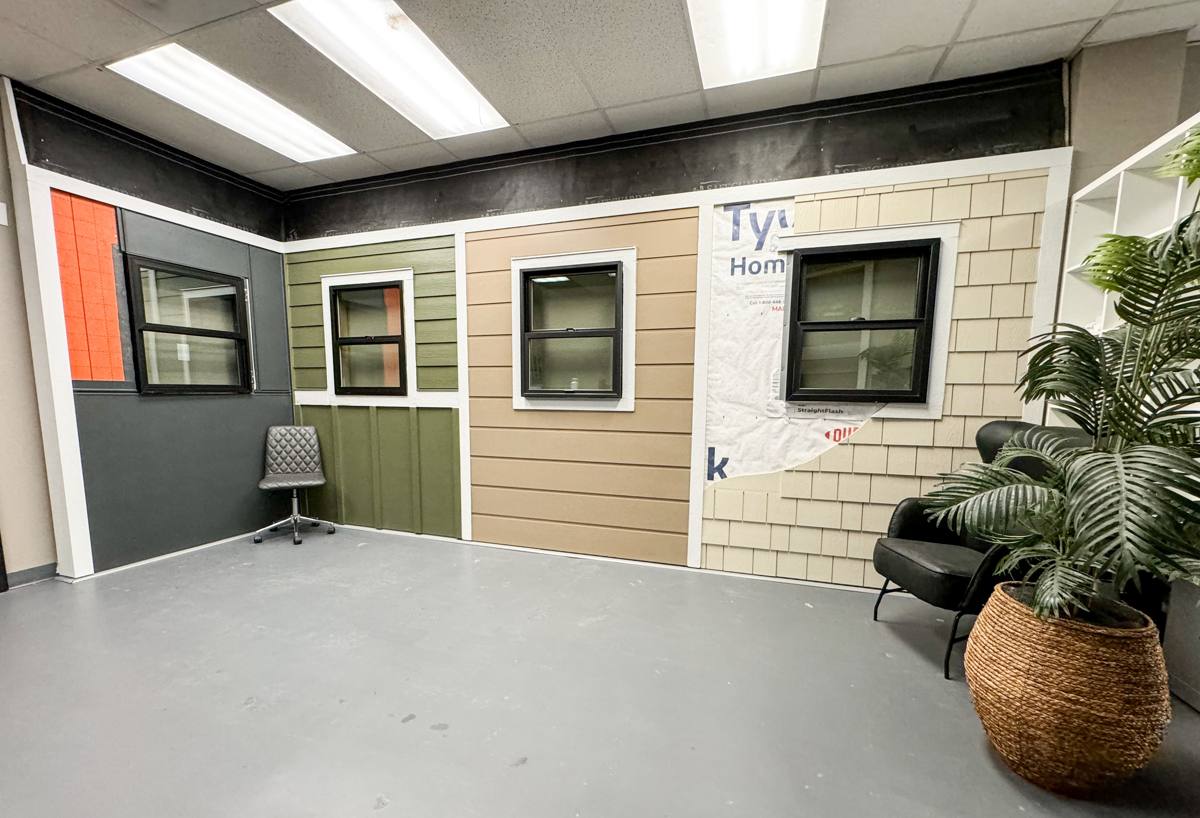
What Cordata's Climate Actually Does to a New Window Install
Bellingham and the rest of Whatcom County sit close enough to the Salish Sea that homes here deal with a combination most inland builders never plan for: salt-laden marine air, long stretches of driving, wind-blown rain off the water, and a moss and algae season that can run eight months out of the year on shaded north- and west-facing walls. None of that is dramatic on its own, but stacked together over years it's exactly the combination that finds every weak point in a window install.
- Salt air: accelerates corrosion on unprotected fasteners, cheap flashing metal, and lower-grade hardware — even a few miles inland from the water.
- Driving rain: wind-driven moisture doesn't just hit a window head-on, it gets pushed sideways and upward, which is why sill flashing and end-dam details matter as much as the flashing over the top.
- Long wet season: Whatcom County windows sit under sustained moisture load for months at a time, not just during isolated storms — small gaps get repeated exposure instead of one bad day.
- Moss and organic growth: shaded, damp wall sections hold moisture longer, which stresses sealants and trim faster than a sunnier elevation would.
None of this means Cordata needs exotic materials. It means the installation details — flashing sequence, sealant selection, and drainage path — have to be done correctly and in the right order, every time, on every opening.
What a Correct New-Construction Window Install Involves
Sill Pan Flashing First
Every rough opening should get a sloped sill pan before the window ever goes in. This creates a dedicated drainage path for any water that gets past the window itself, directing it back out and away from the framing rather than letting it pool at the sill and soak into the sheathing.
Correct Shingle-Lap Sequencing
Flashing tape and building wrap need to be layered so water always sheds downward and outward — sill flashing first, then jamb flashing, then head flashing lapped over the top, integrated into the house wrap above the opening. Get this sequence backwards even once and you've built a leak path directly into the wall cavity.
Window Selection for Wind and Water Exposure
Not every elevation needs the same window. South- and west-facing walls that take the brunt of driving rain and marine wind often warrant a higher design-pressure rating and tighter water-resistance testing than a sheltered north wall. We factor exposure into the spec conversation with the builder or homeowner rather than treating every opening the same.
Sealant and Hardware Matched to Salt Air
Fasteners, flashing metal, and sealants that aren't rated for coastal or marine-influenced environments corrode or degrade faster here than they would inland. We spec corrosion-resistant fasteners and sealants rated for sustained UV and moisture exposure, not just whatever's cheapest at the supply house.
Interior and Exterior Air Sealing
A window can be flashed perfectly on the outside and still perform poorly if the interior isn't air-sealed correctly — gaps around the frame let conditioned air escape and outside moisture-laden air work its way in, which shows up later as condensation on the frame or nearby drywall.
New-Construction Install vs. Retrofit Replacement
Homeowners and even some builders sometimes ask why new-construction installation costs and timelines differ from a simple window swap. The short answer: it's a different scope of work with a different set of risks.
| Factor | New-Construction Install | Retrofit Replacement |
|---|---|---|
| Flashing access | Full access to sheathing and sill before siding goes on | Limited — working around existing siding and trim |
| Window type | Nail-fin, flush with sheathing plane | Often insert-style, fits inside existing frame |
| Drainage plane integration | Built in sequence with house wrap during framing | Tied into whatever drainage plane already exists |
| Timing flexibility | Coordinated with framer, siding, and trim crews | Standalone project, scheduled independently |
| Long-term risk if done wrong | Hidden behind finished siding for years before symptoms show | Usually more visible sooner due to shallower wall assembly |
New construction is less forgiving of sequencing mistakes because the flashing gets buried under siding almost immediately. There's no second look at that sill pan once the siding crew moves in.
How We Approach a New Build in Cordata
1. Plan Review and Elevation-by-Elevation Spec
We look at the actual site orientation — which walls face prevailing wind and rain, which sit in shade long enough to grow moss — and spec window performance and flashing details accordingly, rather than using one blanket approach for the whole house.
2. Coordination With the Framer and Siding Crew
Window installation on a new build isn't a standalone trade. We coordinate timing so house wrap, flashing, and window install happen in the correct order and siding doesn't go on before the drainage plane is verified.
3. Sill Pan and Flashing Installation
Sloped sill pans, properly lapped jamb and head flashing, and integration with the house wrap at every single opening — no shortcuts on openings that "probably won't get much water."
4. Window Setting and Fastening
Units are set plumb, level, and square, shimmed correctly to avoid frame distortion, and fastened per manufacturer spec with corrosion-resistant hardware suited to this climate.
5. Interior and Exterior Sealing
Exterior sealant at the flashing edges, backer rod and sealant at the interior perimeter, and insulation in the shim gaps — sealed for both water and air, not just one or the other.
6. Final Check and Documentation
We walk every opening before siding closes it up, because that's the last chance to catch a flashing or sealant issue before it's covered for the next several decades.
Pre-Siding Checklist We Run on Every Cordata Opening
- Sloped sill pan installed and draining correctly toward the exterior
- Flashing sequence follows correct shingle-lap order (sill, jamb, head)
- Head flashing integrated under the house wrap above the opening
- Window set plumb, level, square, and shimmed without frame distortion
- Corrosion-resistant fasteners used at every attachment point
- Exterior sealant applied at all flashing transitions, no gaps
- Interior perimeter air-sealed with backer rod and sealant
- Shim gaps insulated, not left as air and moisture pathways
- Elevation-specific water and wind exposure accounted for in window selection
Cost Factors Worth Understanding Before You Budget
Every new build is different, so we won't quote a number without seeing the plans, but these are the factors that actually move the price on a Cordata new-construction window package:
| Factor | Why It Matters |
|---|---|
| Number and size of openings | More openings and larger units mean more flashing detail work and material |
| Elevation exposure mix | Homes with more south/west-facing glass need higher-spec units and more careful flashing |
| Window performance tier | Higher design-pressure and water-resistance ratings cost more but perform better in exposed spots |
| Coordination complexity | Tight scheduling with framer, wrap, and siding crews on a fast-moving build can affect labor efficiency |
| Access and site conditions | Multi-story builds or tight lots can add time for staging and safe handling of larger units |
Why Hiring a Crew That Already Works Cordata Matters
A window crew that mostly works drier inland regions can install a technically fine window and still miss the details that matter here — because they're not used to designing for sustained wind-driven rain and marine air as a baseline condition rather than an occasional storm. Working regularly in Bellingham and across Whatcom County means we're not guessing at flashing sequence or hardware selection for this climate — it's the same conditions on every job, on every street in this part of the county.
We also know how new builds in this area actually get sequenced — which framers and siding crews we're likely coordinating with, what inspection timing tends to look like locally, and where the common trouble spots are on the builds going up around Cordata and north Bellingham right now. That familiarity shows up as fewer surprises and fewer callbacks, not as a sales pitch.
Common Mistakes We See on New Builds Before We're Called In
On builds where we're brought in to review or fix an install rather than do it from scratch, the same handful of issues show up repeatedly: sill pans skipped or installed flat instead of sloped, head flashing tucked under the wrap instead of properly lapped over jamb flashing, standard fasteners used where corrosion-resistant hardware was called for, and shim gaps left unsealed and uninsulated. Every one of these is fixable during construction for a fraction of what it costs to diagnose and repair once siding, trim, and interior finishes are in place.
Let's Talk About Your Build
If you're framing a new home or working on infill construction in Cordata, we're glad to walk through your plans, talk through elevation-specific window selection, and give you a straightforward, no-pressure estimate for the window package. Fill out the form below and we'll get back to you with next steps.