 Bellingham
 Windows Built for Barkley's Marine Climate
Barkley sits close enough to Bellingham Bay that salt-laden air is a daily fact of life, not an occasional nuisance. Add Whatcom County's driving rain, the long gray stretch of moss season that runs from fall through spring, and the freeze-thaw swings that show up most winters, and you've got a climate that is genuinely hard on window frames, seals, and hardware. Homes here don't fail because of one dramatic storm. They fail slowly, from years of moisture finding its way into places it was never supposed to reach.
Custom windows done right for this neighborhood aren't about looks first. They're about a frame material, glazing package, and installation method that can shrug off wind-driven rain, resist corrosion from salt in the air, and keep moss and algae from getting a foothold on sills and tracks. Everything else — style, trim, grid pattern — comes after that foundation is solid.
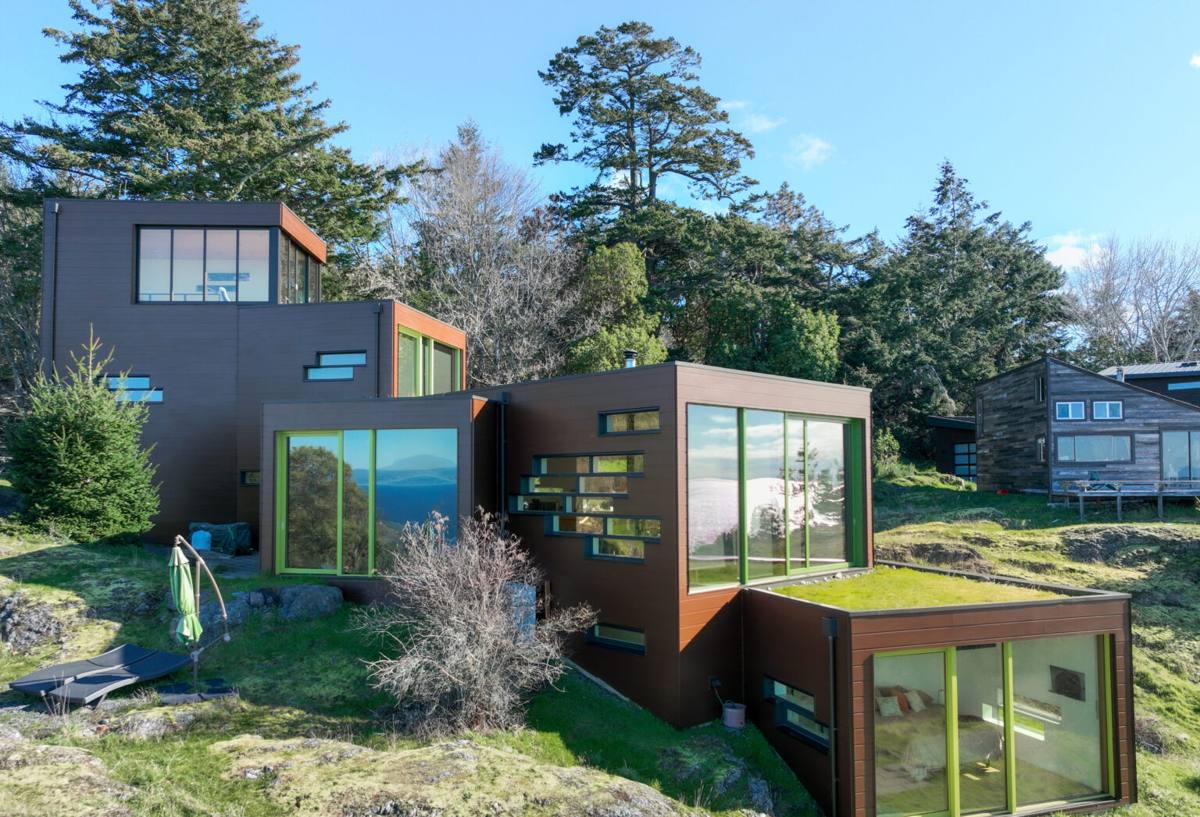
How the Climate Actually Damages Windows
It helps to understand the specific failure points we see most often on Barkley homes, because it changes how we approach a replacement or new install:
- Driving rain gets pushed sideways by wind off the bay and finds any gap in flashing or caulking, working its way behind trim and into wall cavities before you ever see a stain indoors.
- Salt air accelerates corrosion on hinges, locks, balance springs, and screws — especially on lower-quality hardware that wasn't rated for coastal exposure.
- Moss and algae take hold in shaded, damp corners of sills and frame joints, holding moisture against the material and, on wood, feeding rot from the outside in.
- Condensation between panes or on interior glass in winter signals a failed seal or a window that was never insulated well to begin with — common in older single-pane or early double-pane installs.
- Temperature swings between damp winter nights and warmer afternoons cause repeated expansion and contraction, which over years stresses seals and glazing compounds.
None of this means Barkley homeowners need to over-build or over-spend. It means the details that don't show up in a showroom — flashing sequence, sealant choice, hardware grade — matter more here than they would in a drier climate.
Signs Your Current Windows Are Losing the Battle
Most homeowners call us after noticing one or more of these. If you're seeing any of them, it's worth a look before the damage spreads into framing or drywall:
- Fogging or a permanent haze between panes of double-pane glass — the seal has failed and gas fill is gone
- Windows that stick, won't latch fully, or feel loose when closed
- Visible moss, algae, or black staining on sills, tracks, or the bottom of frames
- Soft or discolored wood trim around the window, especially on the exterior
- A noticeable draft near the frame even with the window fully closed and locked
- Rising heating bills without a clear explanation
Any one of these can be a minor fix. Several at once, especially on windows over 15-20 years old, usually means it's more cost-effective to replace than keep patching.
Choosing a Frame Material That Holds Up Here
Frame material is the single biggest factor in how well a window performs in a marine climate over its lifespan. There isn't one universally "best" option — it depends on your budget, the home's style, and how much upkeep you want to take on.
| Material | Moisture & Salt Air Performance | Maintenance | Typical Fit |
|---|---|---|---|
| Vinyl | Won't rot or corrode; performs well against salt air and rain | Low — occasional cleaning | Most homes; best value for full replacements |
| Fiberglass | Excellent — very stable, minimal expansion/contraction, holds paint well | Low to moderate | Homes wanting a premium, longer-term option |
| Wood-clad | Good if the cladding and flashing are done correctly; interior wood needs protection from moisture | Higher — finish and seals need periodic attention | Homes prioritizing a traditional wood interior look |
| Aluminum | Prone to condensation and can corrode faster in salt air without a quality finish | Moderate | Limited use; we typically recommend alternatives for this climate |
For most Barkley homes, we steer clients toward vinyl or fiberglass because both resist the moisture and salt exposure this area sees without demanding constant upkeep. Wood-clad is still a solid choice when the look matters more than minimizing maintenance — the key is making sure the cladding and flashing details are done right, since that's where wood-clad windows tend to fail early if they're installed carelessly.
Glass and Glazing: What Actually Matters
Beyond the frame, the glass package determines comfort and energy performance:
- Double-pane with low-E coating and argon fill is the standard baseline for this climate and handles most homes well.
- Triple-pane adds meaningful insulation value and sound dampening, worth considering for north-facing rooms, homes near busier roads, or owners planning to stay long-term.
- Low-E coatings matter more here for retaining heat during our long overcast season than for blocking summer sun, though a balanced coating still helps on the rare hot stretch.
What Correct Installation Actually Involves
The window unit itself is maybe half the equation. The other half — and the part that determines whether you get 20+ years out of the install or a callback in three — is the installation itself. On a home exposed to driving rain the way Barkley is, we treat flashing and water management as non-negotiable:
- Remove and inspect — old window comes out, and we check the rough opening and sheathing underneath for hidden rot or moisture damage before anything new goes in.
- Repair the opening — any soft framing or compromised sheathing gets addressed now, not covered up.
- Flashing integration — sill pan flashing and side/head flashing are layered correctly with the home's weather-resistive barrier so water is directed out, not trapped behind the new window.
- Set and shim the unit — window is leveled, plumbed, and squared before fastening, which affects how smoothly it operates for years.
- Seal and insulate — low-expansion foam and appropriate sealant around the frame, sized correctly for this climate's moisture load.
- Exterior trim and finish — trim is reinstalled or replaced and finished to shed water away from joints.
- Final check — operation, locks, and weatherstripping are tested before we call it done.
Skip or rush any of those steps and you can end up with a brand-new window that still leaks — the unit gets blamed, but the real problem was the flashing sequence underneath it.
Fitting Windows to Barkley's Mix of Homes
Barkley includes a range of housing — newer single-family homes, townhomes, and condos built as part of the area's more recent development, alongside some older construction. That mix means window needs vary house to house more than in a neighborhood of uniform age. Newer builds sometimes need less structural repair but benefit from upgrading builder-grade glass packages. Older homes more often need the framing inspection and repair step done carefully, since decades of moisture exposure can hide damage that isn't visible from inside. We size up each home on its own terms rather than assuming a one-size approach.
Our Process, Start to Finish
We keep this straightforward:
- Free on-site estimate — we look at your existing windows, note problem areas, and talk through material and glass options for your budget.
- Written quote — clear pricing, no surprise add-ons sprung on you mid-project.
- Scheduling — we work around your timeline and give you a realistic install window.
- Installation — most single-window replacements take a matter of hours; full-home replacements are typically completed within a few days depending on window count.
- Cleanup and walkthrough — we clear debris and walk you through how each window operates and locks.
Maintenance That Keeps Marine-Climate Windows Performing
Even a well-installed window benefits from basic upkeep in this climate. A short seasonal checklist goes a long way:
- Rinse sills and tracks periodically to clear salt residue and organic buildup before moss gets established
- Check weatherstripping annually for compression or cracking and replace if it's lost its seal
- Keep gutters and downspouts clear so runoff isn't sheeting directly across window heads
- Test locks and hardware for stiffness or corrosion, particularly on north- and west-facing windows most exposed to weather
- Watch for early moss growth in shaded corners and remove it promptly rather than letting it spread
Why Local Installation Experience Matters
Window installation instructions written by a manufacturer assume generic conditions. They don't account for wind-driven rain coming off Bellingham Bay at a particular angle, or how quickly moss establishes itself in a shaded Whatcom County yard. A crew that already works in Barkley has seen how the specific combination of salt air, rainfall pattern, and seasonal moss growth plays out on real homes here — and adjusts flashing, sealant choice, and hardware recommendations accordingly instead of just following a generic spec sheet. That local pattern-recognition is often the difference between a window that performs for two decades and one that needs attention again in five years.
If your windows are showing their age, feeling drafty, or you're planning a renovation and want it done right the first time, we're happy to take a look. Reach out for a free, no-pressure estimate using the form below — we'll walk the property, answer your questions honestly, and give you options that fit your home and your budget.