 Bellingham
 Storm Damage Is a Different Problem in Sunnyland Than It Is Inland
Sunnyland sits close enough to Bellingham Bay that roofs here deal with a combination most inland Whatcom County neighborhoods don't: salt-laden air off the water, wind-driven rain that comes in sideways during winter storms, and a mature tree canopy that drops limbs and needles onto roofs year-round. Add in a moss season that can run eight or nine months out of the year in this climate, and you have a roof environment that ages differently than a roof forty miles inland. When a storm hits, the damage it leaves behind is often more complicated than a few missing shingles.
We've repaired storm damage across Bellingham long enough to know that a roof in an established, tree-heavy neighborhood like Sunnyland fails in specific, predictable ways. This page covers what that damage actually looks like, what a correct repair involves, and what to expect if you're dealing with it right now.
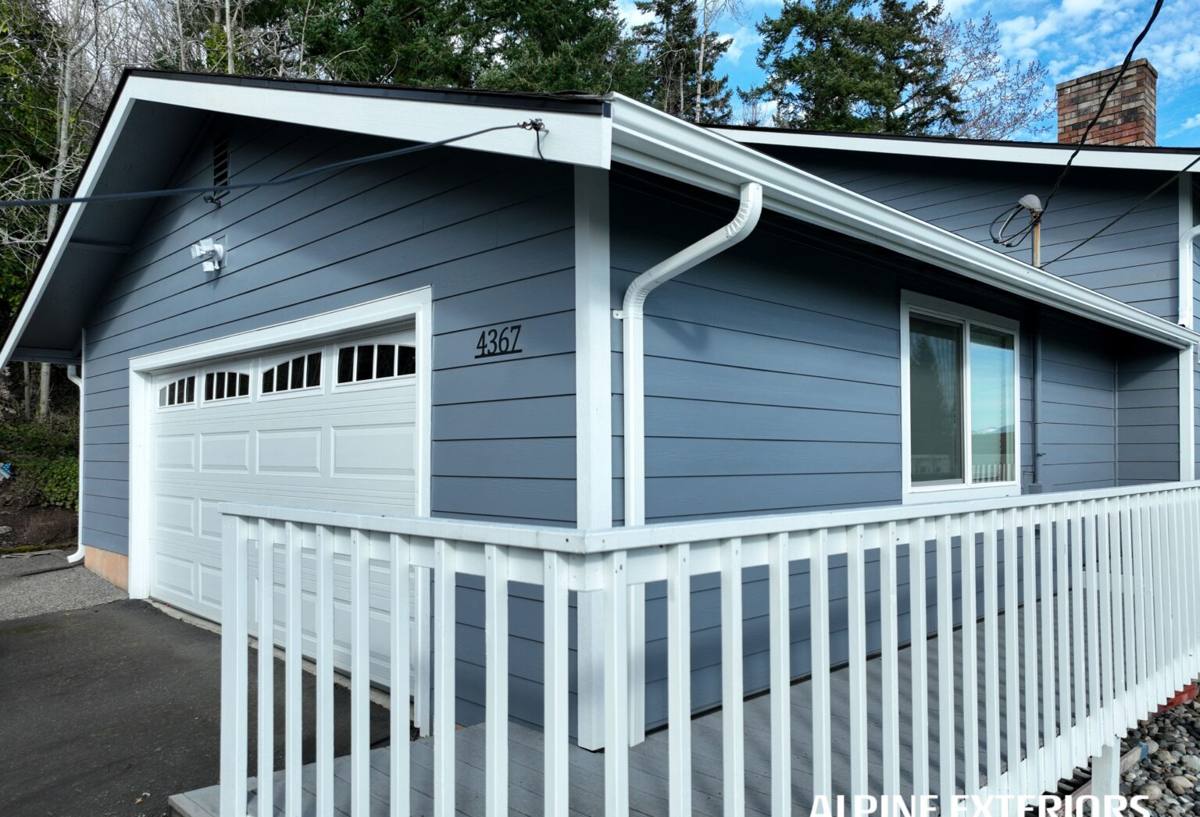
What Storm Damage Actually Looks Like on a Sunnyland Roof
Not all storm damage announces itself with a hole in the roof. Some of the most expensive damage is the kind homeowners don't notice until water shows up on a ceiling weeks later. After a windstorm, heavy rain event, or a stretch of freezing weather, it's worth checking for:
- Shingles that are cracked, curled, or missing entirely, especially on the side of the roof that faces prevailing weather off the bay
- Granule loss showing up in gutters or at the base of downspouts — a sign shingles took a hard hit from wind-blown debris
- Lifted or bent flashing around chimneys, skylights, and roof-to-wall transitions
- Broken or torn ridge caps along the roof's peak
- Dented or cracked vents, especially plastic roof vents that don't hold up well to falling limbs
- Water stains, sagging, or a musty smell in the attic or on interior ceilings
- Fresh moss or algae growth concentrated around a damaged area, since broken shingles trap moisture and speed up growth
Some of this is visible from the ground with binoculars. Most of it isn't. That's the main reason a post-storm inspection matters even when nothing looks obviously wrong.
Why This Neighborhood Sees the Damage It Does
Wind-Driven Rain
Storms moving in off Bellingham Bay don't just drop rain straight down — they push it sideways and upward under shingle edges, flashing laps, and ridge vents. A roof that would shed a straight-down downpour without issue can still take on water during a wind event if a seal, lap, or nail line has weakened. This is why storm damage repair isn't just about replacing what's visibly torn; it's about checking every point where wind-driven rain could have found a way in.
Mature Trees
Sunnyland is an established neighborhood with a lot of mature trees close to homes, which is part of what makes it a nice place to live — and part of what makes roofs here more exposed to falling limbs than roofs in newer, more open subdivisions. Even a limb that doesn't punch through decking can crack shingles, dent metal flashing, or knock a vent loose in ways that aren't obvious until the next rain.
Moss and Trapped Moisture
Whatcom County's mild, wet climate is close to ideal for moss growth on north-facing and shaded roof slopes. Moss holds moisture against the shingle surface long after the rest of the roof has dried, which softens shingles over time and makes them more likely to crack or lift during high wind. A roof with an active moss problem before a storm hits will almost always sustain worse damage than a roof that's been kept clean.
Salt Air
Proximity to the bay means metal roof components — flashing, fasteners, vent housings, gutter hardware — corrode faster here than they would further inland. Corroded metal is more brittle and more likely to crack or tear loose during a wind event, which is one reason we pay close attention to metal condition, not just shingle condition, when we inspect storm damage in this area.
Emergency Response: Stopping Further Damage First
If a storm has left your roof compromised, the first priority isn't a full repair — it's stopping water from getting into the house while conditions are still unsettled. That usually means:
- A temporary tarp or cover over the damaged section, secured well enough to hold through additional wind and rain
- Clearing debris that's pooling water or blocking drainage off the damaged area
- A quick check of the attic for active leaks so we know if interior protection is also needed
Tarping is a stopgap, not a fix. It buys time to do the repair correctly instead of rushing it between storm cells.
What a Correct Storm Repair Actually Involves
A rushed storm repair often replaces only what's visibly broken and leaves the underlying cause untouched. A correct repair addresses the full assembly, not just the top layer.
Shingle and Field Repair
Damaged shingles get pulled and replaced, not just nailed back down or caulked over. We match the existing shingle style and color as closely as possible, understanding that some fading difference between old and new material is normal and unavoidable on a roof that isn't being fully replaced.
Flashing and Transitions
Flashing around chimneys, skylights, and sidewalls is one of the most common failure points in a wind-driven rain event, and it's also one of the most commonly skipped items in a quick patch job. We re-check and re-seal or replace flashing in the damaged area rather than assuming it's fine because it's still physically attached.
Underlayment and Decking
If water has been getting under the shingles for any length of time, the underlayment and even the wood decking underneath can be compromised. Soft, spongy, or discolored decking gets replaced, not covered up — shingles installed over damaged decking will fail again, often faster than the original damage took to develop.
Ventilation and Moss Follow-Up
Where storm damage overlaps with an existing moss or moisture problem, we address both at once. There's little point in repairing storm damage on a section of roof that's going to have the same moisture issue again in a year because moss wasn't cleared or ventilation wasn't corrected.
Repair vs. Replacement — How We Help You Decide
Not every storm-damaged roof needs full replacement, and not every roof can be reasonably patched. The right call depends on the roof's age, how widespread the damage is, and what condition the rest of the roof is in.
| Factor | Favors Repair | Favors Replacement |
|---|---|---|
| Roof age | Under 12-15 years, in otherwise good condition | Near or past the end of its expected lifespan |
| Extent of damage | Isolated to one section or slope | Scattered across multiple slopes or the whole roof |
| Decking condition | Solid, dry decking under the damaged area | Soft, rotted, or repeatedly saturated decking |
| Moss/moisture history | Minimal or well-maintained | Long-term, widespread moss or trapped moisture |
| Shingle match availability | Close match to existing shingle still available | Discontinued shingle, poor color/style match |
| Insurance scope | Adjuster approves a repair-only scope | Adjuster or inspection supports full replacement |
We'll walk you through where your roof falls on this table before recommending either option — our goal is an honest assessment, not the largest possible job.
How Our Process Works
- Inspection. We walk the roof and attic, document all storm-related damage with photos, and check for related issues like moss buildup or aging flashing that could affect the repair.
- Written scope and estimate. You get a clear description of what needs to be repaired, why, and what it costs — no vague line items.
- Insurance documentation, if applicable. If you're filing a claim, we provide the photo documentation and scope detail your adjuster will need.
- Repair. We complete the work to match your existing roof as closely as materials allow, addressing the full assembly rather than just the surface.
- Cleanup and walkthrough. Debris and old material are hauled off, and we walk the finished repair with you before we call it done.
Working With Your Insurance Company
Most homeowners' policies cover sudden storm damage — wind, falling limbs, hail — though coverage details and deductibles vary by policy. We're not your insurance adjuster and we don't promise a specific claim outcome, but we can provide clear, well-documented photos and a written scope of the damage, which is usually what slows a claim down when it's missing. If your policy requires an adjuster inspection before repairs begin, we're glad to coordinate timing around that as long as immediate protection like tarping isn't delayed in the process.
Why It Matters to Hire a Crew That Already Works in Sunnyland
Storm damage repair done by a crew unfamiliar with this specific climate tends to miss the compounding factors — a crew from a drier region might replace shingles without addressing moss regrowth, or use flashing that isn't suited to a salt-air environment. Working regularly in Bellingham and the surrounding Whatcom County neighborhoods means we're not guessing at how this climate behaves; we're accounting for it in how we scope and complete every repair, from material choice to what we check beyond the obvious damage.
It also means a faster, more realistic response when storms hit multiple homes in the same area at once, since we're not driving in from out of the region to start.
Reducing Storm Damage Before the Next One Hits
A roof that's already in good condition and reasonably clean sustains far less damage in a windstorm than one with existing moss, loose flashing, or clogged gutters. A few maintenance habits go a long way in this climate:
- Have moss and debris cleared from the roof at least once a year, more often on heavily shaded slopes
- Keep gutters and downspouts clear so wind-driven rain has somewhere to go
- Trim back tree limbs that overhang or are close enough to strike the roof in high wind
- Have flashing around chimneys and skylights checked periodically, since these are the first points to fail
- Address small leaks or lifted shingles promptly — they're far cheaper to fix before a storm than after
If your roof has taken storm damage, or you'd like an honest look at its condition before the next winter storm season, we're happy to come out and take a look. The estimate is free, there's no pressure, and you'll get a straight answer about what your roof actually needs — just fill out the form below.