 Bellingham
 Siding Replacement Built for Lynden's Climate
Lynden sits inland from Bellingham Bay, but that doesn't mean the house is spared from what Whatcom County weather does to exterior siding. Between salt-tinged air moving in off the water, long stretches of driving rain through fall and winter, and a moss season that can run half the year on shaded walls, siding here works harder than siding in drier parts of the country. When a Lynden home's siding starts failing — cracking, delaminating, holding moisture, or growing moss and algae faster than it can be cleaned off — replacement isn't just a cosmetic fix. Done correctly, it's a chance to reset the whole exterior moisture management system, not just swap out old boards for new ones.
This page focuses specifically on siding replacement for homes in and around Lynden: what the local climate demands, what a correct replacement job actually involves, and how we approach the work when we're on-site.
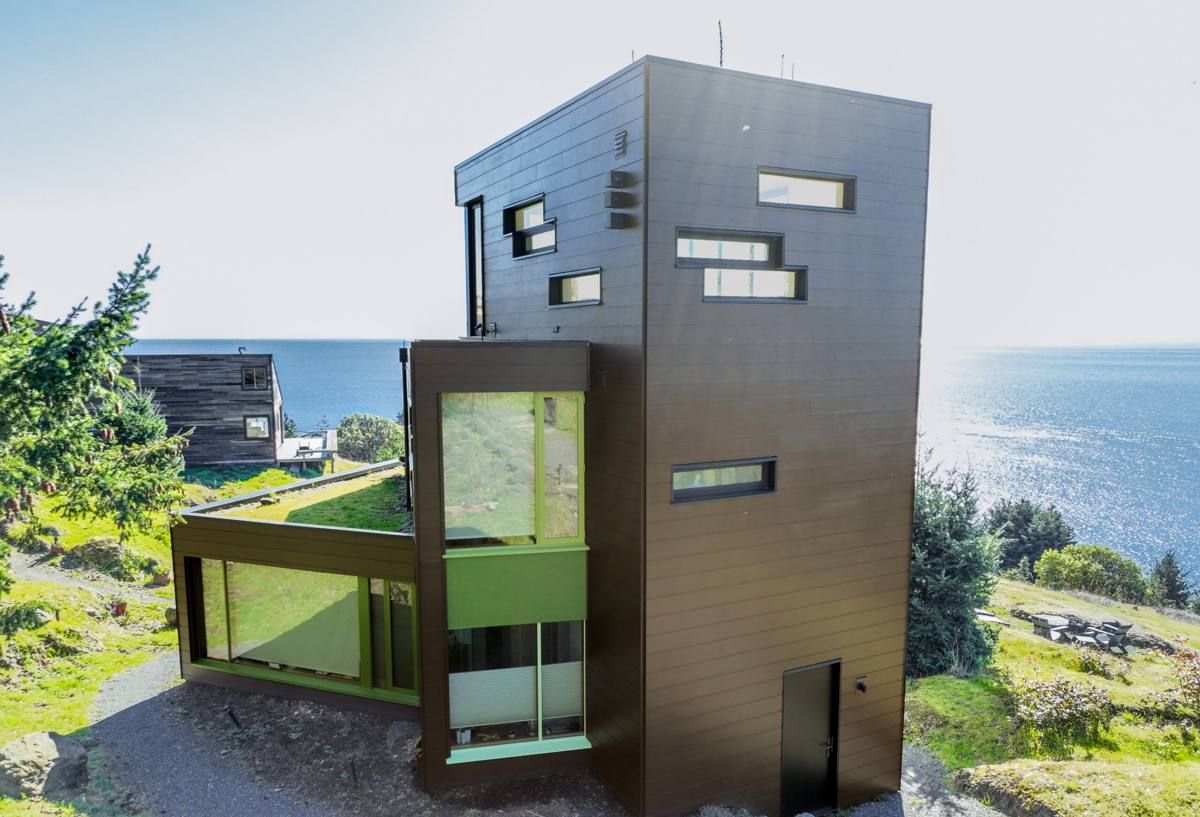
What Lynden's Weather Does to Siding Over Time
Salt Air and Slow Corrosion
Even inland from the coast, Whatcom County's proximity to salt water means airborne salt can reach exterior surfaces and accelerate the breakdown of fasteners, trim metal, and certain siding materials. Over years, this shows up as pitting on hardware, premature paint failure, and softer or more porous siding materials absorbing moisture faster than they should.
Driving Rain and Wind-Driven Moisture
Lynden gets its share of sustained, wind-driven rain, especially during fall storm systems. Rain that comes in at an angle doesn't just hit a wall — it gets pushed under laps, around trim, and into any gap in the water-resistive barrier. Siding systems that rely on caulk and paint alone to keep water out tend to fail here faster than systems engineered with proper drainage planes and flashing details.
Moss, Algae, and Extended Damp Season
Shaded north- and east-facing walls in Lynden can stay damp for months at a stretch. That's ideal growing conditions for moss and algae, which hold moisture against the siding surface and accelerate rot in wood-based products or coating breakdown in painted products. A siding material's resistance to moss and its ability to be cleaned without damage matter more here than in drier climates.
Why This Matters for a Replacement Decision
| Climate Factor | What It Does to Siding | What the Replacement Should Address |
|---|---|---|
| Salt air | Corrodes fasteners, degrades softer materials, breaks down finishes faster | Corrosion-resistant fasteners, factory-cured finish, non-combustible material |
| Driving rain | Pushes water behind laps and around trim | Correct lap exposure, flashing at every penetration, functioning drainage plane |
| Extended moss season | Holds moisture against the wall, stains and degrades surfaces | Material that resists moisture absorption and can be cleaned without damage |
Signs a Lynden Home Needs Siding Replacement, Not Just Repair
- Boards that are soft, spongy, or crumbling at the edges when pressed
- Paint that keeps failing within a couple of years no matter how it's prepped
- Persistent moss or algae staining that returns quickly after cleaning
- Visible gaps, cupping, or warping in multiple boards, not just one or two
- Moisture or soft spots on interior walls that line up with exterior siding problems
- Siding that's original to a home 20+ years old and was never a climate-engineered product
A few damaged boards can sometimes be repaired. But when the damage is spread across a wall, or when the underlying wrap and flashing are also compromised, patch repairs just delay a full replacement while masking the real problem underneath.
Why We Only Install James Hardie Fiber Cement
We install James Hardie fiber cement siding exclusively. We don't install vinyl, LP SmartSide, cedar, primed spruce, or other fiber cement brands like Cemplank or Allura. That's a deliberate standard, not a limitation, and it matters especially in a climate like Lynden's.
Why It Holds Up Here
- Non-combustible — fiber cement doesn't feed a fire the way wood-based products can, which matters as wildfire smoke seasons have become more common in Washington summers.
- Engineered for wet climates — Hardie's HZ10 product line is specifically formulated for the kind of moisture exposure Pacific Northwest homes see, including areas affected by salt air and prolonged damp conditions.
- Factory-applied ColorPlus finish — the finish is baked on at the factory under controlled conditions, which holds color and resists fading and chipping far better than field-applied paint, and it stands up to cleaning without stripping away.
- Doesn't feed moss and rot — because it's cement-based rather than wood-based, it doesn't provide the organic material that wood siding does for moss and fungal growth to take hold in.
- Transferable, substantial warranty — Hardie backs its products with a strong manufacturer warranty that can transfer to a new owner if the home sells, which matters to buyers in a market where exterior condition gets scrutinized.
We're not going to tell homeowners that other products are worthless — vinyl is inexpensive and easy to find installers for, and cedar has real curb appeal for the right buyer willing to keep up with maintenance. But we made a business decision to standardize on one product system because we've seen what holds up in this climate over decades, not just the first few years, and Hardie fiber cement is what we're willing to put our name behind.
What a Correct Siding Replacement Involves
1. Full Removal and Inspection
Replacement starts with stripping the old siding down to the sheathing so we can actually see what's underneath — rot, damaged sheathing, or a water-resistive barrier that's failed. Covering over hidden problems with new siding just locks the damage in.
2. Repair the Substrate
Any rotted sheathing or framing gets replaced before anything else goes back up. This step gets skipped by crews trying to move fast, and it's the single biggest predictor of whether new siding lasts 10 years or 40.
3. Install a Proper Water-Resistive Barrier
A correctly lapped and taped weather barrier, ideally with a drainage plane behind the siding, gives incidental moisture a path to drain out instead of getting trapped against the wall — critical given how much wind-driven rain Lynden sees.
4. Flash Every Penetration
Windows, doors, vents, and any other penetration in the wall need proper flashing integrated with the water-resistive barrier. This is where most siding failures actually originate, not in the field of the siding itself.
5. Install to Manufacturer Spec
Correct fastener type and placement, correct lap exposure, correct clearance from grade and roof lines, and correct caulking at trim joints — Hardie's warranty depends on installation to spec, and skipping these details is how a good product ends up performing poorly.
6. Trim, Finish, and Final Detail
Corner boards, trim, and caulking get finished last, with attention to keeping water from ever having a place to collect.
Our Process for Lynden Homeowners
- On-site assessment — we walk the exterior, check for soft spots, moisture issues, and existing damage, and take a real look at what's underneath in problem areas.
- Straight-talk estimate — we explain what we found, what needs to happen, and give a written estimate with no pressure to decide on the spot.
- Scheduling around Whatcom County weather — because open wall assemblies can't sit exposed during a rain event, we plan the job around realistic weather windows rather than rushing it in.
- Removal, repair, and installation — full tear-off, substrate repair as needed, barrier and flashing installed correctly, then Hardie siding installed to spec.
- Final walkthrough — we go over the finished work with the homeowner before calling the job done.
Why It Matters to Hire a Crew That Already Works in Lynden
Siding installation isn't one-size-fits-all. A crew that mostly works in drier inland climates may not think twice about drainage planes or flashing details that matter enormously here. A crew that's used to working around Whatcom County's rain patterns knows how to sequence a job so the wall isn't left exposed longer than necessary, and knows which details actually matter for a house that will spend a good part of the year damp. Local experience isn't a marketing line — it changes decisions made on-site, from scheduling to flashing details to which side of the house gets prioritized when weather is closing in.
What a Lynden Siding Replacement Typically Involves Cost-Wise
| Factor | Why It Affects Cost |
|---|---|
| Extent of substrate damage | Rotted sheathing or framing found during tear-off adds repair work beyond the siding itself |
| Home size and wall complexity | More corners, dormers, and trim details mean more labor and material cutting |
| Siding profile and accessories | Lap width, trim style, and accessory boards affect material cost |
| Access and site conditions | Multi-story walls, tight lot lines, or landscaping can affect labor time |
We don't publish blanket per-square-foot pricing because every home's condition is different — the only way to give an honest number is to actually look at the house.
Get a No-Pressure Estimate for Your Lynden Home
If your siding is showing its age, holding moss longer each year, or you're just not sure whether repair or replacement makes sense, we're happy to take a look and walk you through what we find. Use the form below to request a free estimate — no obligation, no pressure, just a straight assessment of what your home needs.