 Bellingham
 Windows Built for South Hill's Hillside Climate
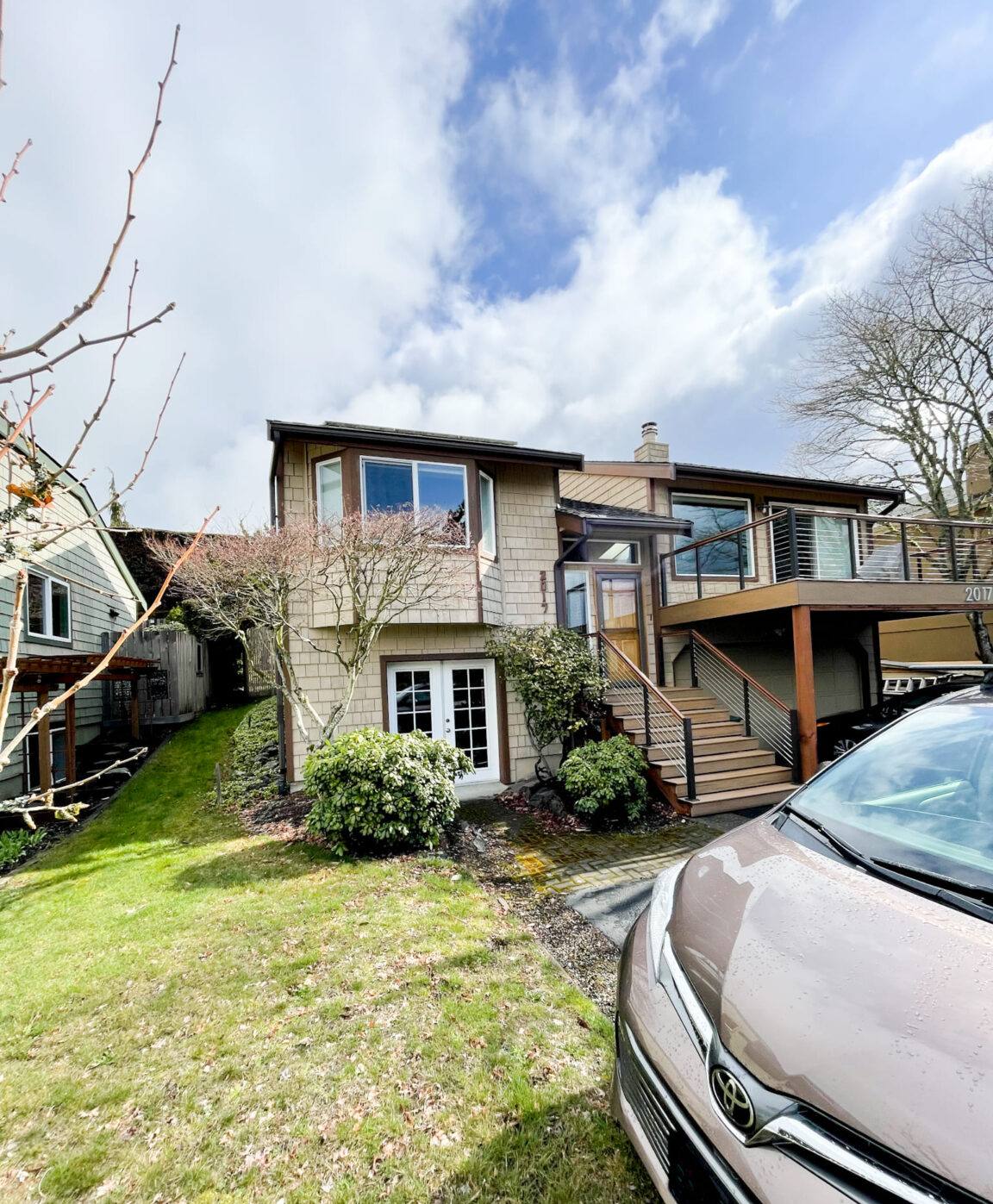
South Hill sits above downtown Bellingham, with a mix of century-old homes and newer construction spread across tree-lined, sloped streets overlooking the bay. That elevation and exposure matter more than most homeowners realize. A window that holds up fine in a sheltered, low-lying yard a few miles away can take a real beating on a hillside lot that catches wind and driving rain straight off the water. Add in Whatcom County's long, wet moss season, and you've got a climate that's genuinely hard on window frames, seals, and sills over time.
We install windows across Bellingham, but South Hill's combination of older housing stock, hillside exposure, and mature tree cover makes it its own case. A correct installation here accounts for all three — not just the window itself, but how it's flashed, sealed, and fitted into a house that's likely seen decades of Pacific Northwest weather already.
What Bellingham's Weather Does to Windows Over Time
Salt air off Bellingham Bay is corrosive to unprotected metal — hardware, hinges, and older aluminum frames slowly pit and stiffen faster here than they would inland. Driving rain, especially on exposed hillside walls, finds its way into any weak seam, gap, or aging caulk line and works it wider year after year. And moss doesn't just grow on roofs — it colonizes shaded sills, tracks, and trim, holding moisture against wood and paint long after the rain has stopped.
On older South Hill homes, this shows up as soft or discolored sills, foggy double-pane glass (a sign the seal has failed), swollen wood trim, and drafts that get worse every winter. None of it happens overnight. It's the slow, cumulative effect of one more wet season on a window that was never quite sealed right, or that's simply reached the end of its service life.
Signs Your South Hill Home Is Due for New Windows
Some of these are obvious. Others get written off as "just an old house" problems for years before anyone connects them to the windows.
- Visible fog, haze, or moisture between panes of double-glazed windows
- Wood sills or frames that feel soft, spongy, or show paint bubbling
- Windows that are difficult to open, close, or lock
- Noticeable drafts near the frame, even when the window is fully closed
- Condensation forming on the inside of the glass regularly in cooler months
- Moss or persistent green staining building up on sills and lower tracks
- Rooms that feel noticeably colder or draftier than the rest of the house
- Rising heating bills without any other obvious cause
Any one of these on its own isn't necessarily an emergency. Several together, especially on a home that's had its original windows for 20-plus years, usually means it's time for a real look, not another patch job.
Choosing the Right Window for the Job
Frame material
Frame material is the biggest decision, and it should be driven by how the house will actually be exposed to weather — not just budget or looks. Here's how the common options stack up for a climate like ours:
| Frame Material | How It Handles Our Climate | Maintenance |
|---|---|---|
| Vinyl | Good moisture and salt-air resistance; won't rot or corrode | Low — occasional cleaning |
| Fiberglass | Excellent stability in wide temperature and moisture swings; holds up well long-term | Low |
| Wood | Classic look for older homes but vulnerable to moisture and moss if not maintained | High — regular painting/sealing |
| Wood-clad | Wood interior with a protective exterior shell; good middle ground for period homes | Moderate |
| Aluminum | Prone to condensation and, near the bay, corrosion over time | Moderate to high |
Glass package
Double-pane with a low-E coating is the standard baseline for this climate and handles our rain and temperature swings well. Triple-pane adds meaningful sound and thermal performance, which matters more on exposed hillside walls that take wind directly, but it's a real cost jump and not necessary on every elevation of every house. We'll walk through which walls actually benefit from the upgrade rather than pricing every window the same way.
Matching New Windows to South Hill's Older Housing Stock
Retrofit vs. full-frame replacement
A lot of South Hill homes have original or early-replacement window openings with trim, siding, and interior finish work built around them. In those cases, a retrofit (pocket) installation — where the new window fits into the existing frame — is often the right call. It's less invasive, preserves existing trim, and is usually faster.
But retrofit only works if the existing frame is sound. If there's rot, water damage, or the opening has shifted over the decades, a full-frame replacement — removing everything down to the rough opening — is the honest recommendation, even though it's more work. Installing a new window into a compromised opening just locks the problem behind new glass.
Respecting the home's character
For older South Hill homes with real architectural character, we pay attention to sightlines, grille patterns, and trim profiles so the new windows read as belonging to the house rather than looking like an obvious swap. That's a judgment call worth making in person, not something to standardize across every home on the street.
Our Installation Process
The steps don't change much from job to job, but the details we check at each one are shaped by what South Hill's climate and housing stock throw at us.
1. On-site assessment and measurement
We look at every opening individually — frame condition, current flashing, signs of water intrusion, and how exposed that particular wall is to wind and rain.
2. Product selection
We talk through frame material, glass package, and retrofit vs. full-frame based on what we found, not a one-size answer.
3. Removal and opening prep
Old windows come out carefully, and we address any soft wood, old caulk, or damaged flashing before anything new goes in. This is the step that gets skipped by rushed installs and causes problems two winters later.
4. Installation and sealing
Correct shimming, insulation, and flashing details matter more here than in a drier climate — a poorly sealed sill is exactly where driving rain will find its way in.
5. Finish work and cleanup
Interior and exterior trim gets finished to match the surrounding house, and the site is cleaned up before we walk it with you.
6. Final walkthrough
We test operation, check seals, and make sure everything's tight before calling the job done.
What Window Installation Costs — and Why
Every home is different, so we won't quote a number without seeing the job — but here's what actually moves the price up or down.
| Cost Factor | Why It Matters |
|---|---|
| Number of windows | More units means more labor, but often better per-window pricing |
| Frame material | Vinyl is typically the most affordable; fiberglass and wood-clad cost more upfront |
| Retrofit vs. full-frame | Full-frame involves more labor, trim work, and sometimes siding repair |
| Existing damage | Rot or water damage found during removal adds repair work before installation can proceed |
| Access and elevation | Hillside lots and upper-floor openings can require more setup and labor time |
| Glass package | Triple-pane and specialty coatings cost more than standard double-pane low-E |
As a rough sense of scale: a standard vinyl retrofit window is generally a few hundred dollars per unit installed, while larger, higher-end, or full-frame installations run well above that. We'll give you real numbers, not a range pulled out of thin air, once we've actually seen the openings.
Why Work With a Crew That Already Knows South Hill
A window installer who's worked in South Hill before already understands the practical realities of the neighborhood — sloped lots that affect ladder and scaffold setup, mature trees that mean more debris and moisture around lower-floor windows, and a housing mix that ranges from decades-old original construction to recent infill. That familiarity shows up in fewer surprises mid-job and fewer callbacks after.
It also means we're used to working within Bellingham's permitting requirements where they apply, and we're not learning the neighborhood's quirks on your dime. For a hillside home exposed to the kind of salt air, driving rain, and moss that Whatcom County delivers most of the year, that local experience is worth more than it sounds.
If your South Hill home has windows that are drafty, foggy, hard to operate, or just old enough that you're wondering, we're happy to take a look and give you a straightforward, no-pressure estimate — no obligation, just an honest read on what your home actually needs. The form below is the easiest way to get started.