 Bellingham
 Why Ferndale's Climate Is Hard on Windows
Ferndale sits close enough to Bellingham Bay and the Salish Sea that salt-laden air reaches homes even several miles inland, and it settles on window hardware, screens, and frame surfaces year-round. Combine that with the driving, wind-pushed rain that comes through Whatcom County in the fall and winter, and you have two forces working against a window at the same time: corrosion from the salt and water intrusion from the rain. Add in a moss and algae season that can stretch from late fall through spring thanks to persistent damp and shade from mature evergreens, and it's easy to see why windows here age differently than windows in a dry inland climate.
None of this means a window is doomed to fail. It means the installation has to account for these specific stresses from day one - the flashing, the sealant choice, the hardware finish, and the frame material all matter more here than they would in a milder, drier region.
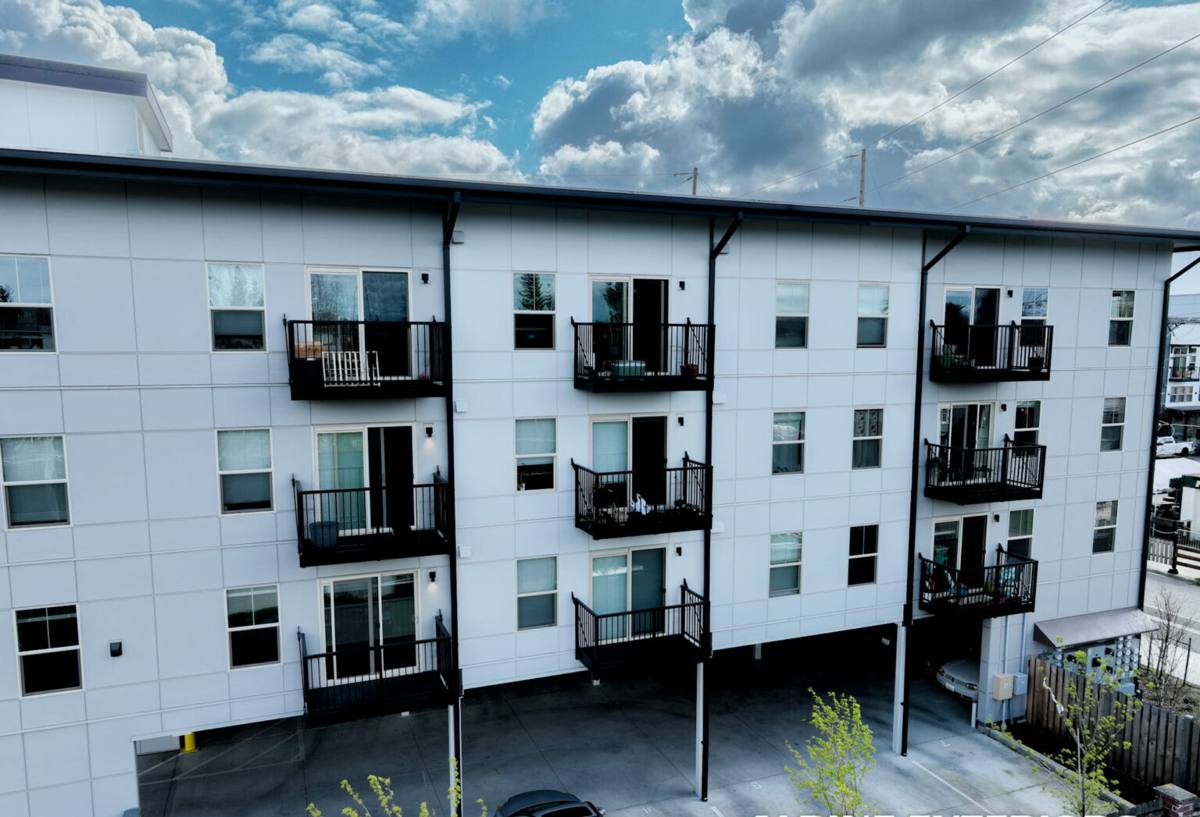
What Actually Goes Wrong in Ferndale Windows
When we get called out to look at a failing window in Ferndale, the problems tend to fall into a short list of repeat offenders:
- Corroded hardware - cranks, latches, and hinges (especially on older aluminum-frame windows) that seize up or discolor from years of salt exposure
- Seal failure and fogging - the insulated glass seal breaks down and moisture gets trapped between the panes, leaving a permanent haze that no amount of cleaning removes
- Sill and jamb rot - wood components that stay damp too long because the original flashing didn't shed water away from the frame
- Moss and algae staining - greenish streaking below the sill or along the top of the frame where shaded, moisture-holding surfaces never fully dry out
- Clogged or missing weep holes - the small drainage channels at the bottom of the frame that let water out get packed with debris, moss, or old paint, so water backs up into the frame instead
Most of these aren't defects in the window itself - they're the predictable result of an installation that wasn't detailed for this climate, or a window that's simply reached the end of its service life after years of coastal exposure.
What a Correct Custom Window Installation Involves
Flashing and drainage come first
Before a new window ever goes into the opening, the rough opening needs a sill pan and properly lapped flashing that ties into the home's weather-resistive barrier. In a driving-rain climate like this one, water that gets behind the cladding has to have a clear path back out - shortcuts here are exactly what cause the rot and staining we see on older homes.
Sealant and hardware choices matter
We use exterior sealants rated for the temperature swings and constant moisture cycling of a marine climate, and we favor hardware finishes that hold up against salt air rather than the bargain finishes that pit and discolor within a few seasons. It costs a little more up front and saves the homeowner from replacing hardware in five years instead of twenty.
Fit and shimming
A custom window is built to the exact rough opening rather than forced to fit a stock size. That precision matters here - a window that's shimmed unevenly or caulked to "make up the gap" instead of properly flashed is one of the more common causes of leaks we find during inspections.
Choosing the Right Window Material for a Coastal Whatcom County Home
Every frame material handles salt air, moisture, and temperature swings a little differently. Here's how the common options compare for a Ferndale application:
| Material | Salt Air & Moisture Resistance | Maintenance | Typical Cost Tier |
|---|---|---|---|
| Vinyl | Good - won't corrode or rot, some UV fading over decades | Low - occasional cleaning | Lower |
| Fiberglass | Very good - dimensionally stable in wet/dry cycling, resists corrosion | Low | Mid to upper |
| Wood (clad exterior) | Good on the exterior if the cladding is intact; interior wood needs protection from condensation | Moderate - periodic finish and seal checks | Upper |
| Aluminum | Poor to fair - prone to pitting and hardware corrosion in salt air unless heavily treated | Higher - more frequent hardware attention | Lower to mid |
We don't install bare aluminum-frame windows on homes this close to the water as a matter of professional standard - not because every aluminum window fails, but because the maintenance burden and corrosion risk in a salt-air environment outweigh the upfront savings for most homeowners. Vinyl and fiberglass are our default recommendations for most Ferndale homes; wood-clad units are a good fit when the homeowner wants a specific interior look and is willing to keep up with periodic maintenance.
Glass and Performance Considerations for This Climate
Whatcom County's mild but damp winters and cool, often overcast summers mean the biggest performance concerns for windows here are heat retention, condensation resistance, and drying speed after a storm - not extreme heat gain like you'd design around further south or inland.
- Double-pane, low-E glass is the standard baseline for most Ferndale homes and performs well for the local climate and heating costs.
- Triple-pane is worth considering on north- or west-facing walls that take the brunt of wind-driven rain and cold, or in rooms where condensation on the interior glass has been a recurring problem.
- Warm-edge spacers reduce the condensation ring that tends to form at the edge of the glass during damp, cold stretches - a detail worth asking about regardless of which brand you choose.
Our Process for a Ferndale Window Project
- On-site assessment - we look at every window opening, note existing flashing condition, rot, and drainage issues, not just glass condition
- Measuring and custom ordering - each unit is sized to the actual opening rather than a generic stock size
- Material and glass selection - we walk through frame material and glass package trade-offs based on that specific wall's sun, wind, and moisture exposure
- Careful tear-out - old units are removed without unnecessary damage to surrounding siding or trim, and we check the sheathing underneath for hidden moisture damage before anything new goes in
- Flashing correction and sill pan installation - any drainage issues from the original install get fixed here, not covered up
- Window installation, shimming, and insulation - set level, plumb, and square, with proper low-expansion foam or backer rod where needed
- Exterior sealing and trim finish - sealants matched to the cladding material and climate exposure
- Final walkthrough - operation check on every unit and a clear explanation of any maintenance specific to the material chosen
Keeping New Windows Performing Long-Term
A well-installed window in this climate still needs a bit of homeowner attention to stay trouble-free. A short seasonal routine goes a long way:
- Clear weep holes at the bottom of each frame of moss, dirt, and debris a couple of times a year
- Rinse frames and sills with plain water to knock back salt residue and early moss/algae growth before it stains
- Check exterior sealant lines annually for cracking or separation, especially after the first winter
- Wipe down tracks and hardware to keep cranks and latches moving freely
- Watch for condensation between the panes - that's a sign a seal has failed and the insulated glass unit needs replacing, not just cleaning
Why It Matters to Hire a Crew That Already Works in Ferndale
Window installation looks similar on paper everywhere, but the details that actually prevent failure - how much flashing overlap you need for wind-driven rain, which sealants hold up to salt exposure, how aggressively moss grows on a shaded north wall near the water - are things you learn by doing the work here, not by reading a manufacturer's install sheet written for a national market. A crew that's replaced and repaired windows across Whatcom County has already seen how the mains and clones of these problems show up on real homes, and builds the installation to avoid them instead of reacting to them later.
We also understand the local permitting expectations for exterior work in Ferndale and the surrounding county, so there are no surprises mid-project. And because we're a local, established crew, warranty and follow-up service isn't a phone call to an out-of-area office - we're the same people who did the install.
Ready to Talk About Your Windows?
If you're dealing with foggy glass, drafty frames, stuck cranks, or just want to know what a proper window upgrade would look like for your Ferndale home, we're happy to take a look and give you an honest, no-pressure estimate. Use the form below to get started.