 Bellingham
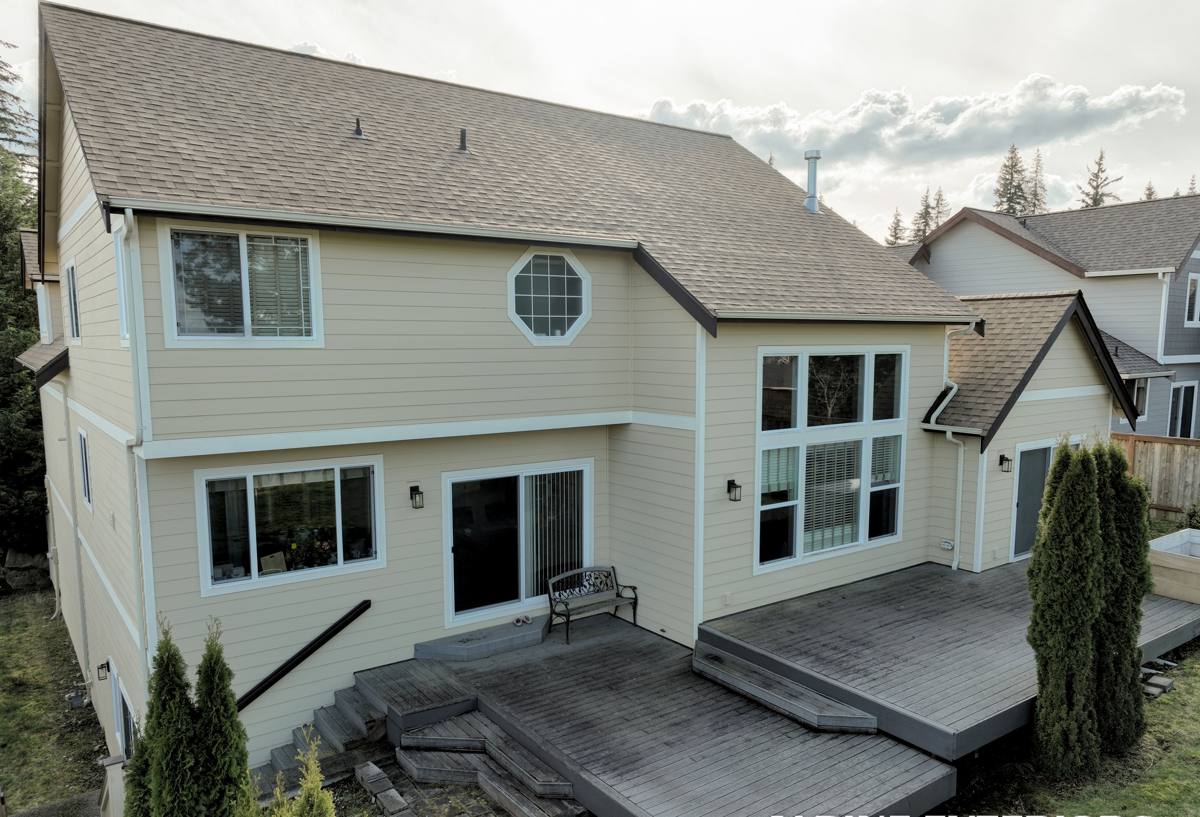
 Why Decks in York Wear Out Faster Than People Expect
If you own a home in York, you've probably noticed your deck aging faster than a friend's deck across town in a drier, more sheltered spot. That's not bad luck — it's Bellingham weather doing exactly what Bellingham weather does. Whatcom County sits close enough to the water that salt-laden air reaches siding, railings, and fasteners even on homes that aren't waterfront. Combine that with a wet season that can stretch for months and a shade pattern that keeps some deck sections damp long after the sun's out, and you get a structure that's fighting moisture almost year-round.
None of this means a deck in York can't last decades. It means the materials, fasteners, and construction details have to be chosen for this specific climate, not for a generic build. That's the difference between a deck that needs full replacement again in ten years and one that just needs routine care.
Salt Air and Fasteners
Salt-laden air accelerates corrosion in exposed metal — nails, screws, joist hangers, bolts. When a deck was built with standard fasteners instead of coated or stainless hardware, corrosion often shows up first at connection points you can't see: joist hangers, ledger bolts, post bases. By the time rust stains are visible on the surface, the hardware underneath may already be compromised.
Driving Rain and Ledger Rot
The ledger board — where the deck attaches to the house — is the single most common failure point on decks in this region, and driving rain is usually the reason why. Wind-driven rain pushes water sideways and upward into gaps that would stay dry in a calmer climate. If the ledger wasn't properly flashed when the deck was built, water works its way behind it and rots both the ledger and the rim joist of the house behind it, often silently for years.
Moss, Shade, and Surface Decay
A long moss season isn't just a slip hazard — it holds moisture against decking boards and fasteners far longer than open sun-exposed sections. Shaded corners, areas under overhangs, and boards running perpendicular to the house often show decay first, simply because they stay wet the longest between rains.
Signs Your Deck Needs Replacement, Not Just a Repair
Not every aging deck needs a full teardown. But some warning signs mean patching individual boards is just delaying a bigger problem — and in a few cases, a safety issue.
- Soft, spongy, or spring-back decking when you walk across it, especially near the house
- Visible gaps, staining, or soft wood where the deck meets the siding (a strong sign of ledger flashing failure)
- Rust streaks running down from joist hangers, bolts, or screw heads
- Posts or railings that wobble more than a firm push should cause
- Structural framing (joists, beams, posts) that's original while decking has already been replaced once or twice
- Persistent moss or algae that returns within weeks of cleaning
- A deck older than 20 years built before current code updates for guardrails and connections
If it's just a handful of surface boards showing wear and the framing underneath is sound, repair is often the honest answer — we'll tell you that. Replacement makes sense when the framing, ledger connection, or footings are compromised, because building new decking on top of a failing structure just hides the real problem.
Choosing the Right Decking Material for This Climate
There's no single "best" decking material — there's a best fit for your budget, your maintenance appetite, and how much moisture and shade your particular yard sees. Here's how the common options actually hold up in a York-area setting.
| Material | Moisture Performance | Maintenance | Typical Lifespan Here |
|---|---|---|---|
| Pressure-treated pine/fir | Good if properly sealed; absorbs water at cut ends and fastener holes | Annual cleaning and re-sealing recommended | 15–20 years with upkeep |
| Western red cedar | Naturally rot- and insect-resistant, but still needs sealing against constant damp | Periodic cleaning and re-oiling for appearance | 20–25 years with upkeep |
| Composite decking | Excellent — doesn't absorb water or rot, resists moss staining better than wood | Occasional washing; no sealing or staining | 25–30+ years, manufacturer-backed |
We install all three, depending on what a homeowner wants. Composite carries a higher upfront cost but makes the most sense for shaded, moisture-prone sections where wood would need constant attention. Cedar is a good middle ground for homeowners who want a natural look and don't mind a yearly maintenance routine. Pressure-treated framing lumber is standard for the structure underneath regardless of what decking surface you choose, since it's not exposed the same way.
The Parts of a Deck That Actually Fail First
When we tear out an old deck, the decking boards are rarely the worst part. The components below are where real problems hide, and where a replacement job needs to focus.
Ledger Board and Flashing
This is where the deck ties into your house, and it has to shed water away from the wall, not trap it. Proper flashing — installed correctly, in the right order relative to the house's water-resistive barrier — is non-negotiable on any replacement we do.
Footings and Post Bases
Footings need to sit below frost depth and bear on undisturbed or properly compacted soil. Post bases should hold posts up off the concrete so they're not sitting in standing water after every rain — a small detail that makes a large difference in post lifespan.
Joist Hangers and Fasteners
Hardware exposed to our air needs to be rated for it — hot-dip galvanized or stainless, matched to the type of lumber it's fastening. Mixing incompatible metals accelerates corrosion, which is a common shortcut we see in older builds.
Permits and Code Requirements for a Bellingham Deck
Most deck replacements in the city and unincorporated Whatcom County require a permit, particularly when framing, footings, or ledger attachment are involved — not just when decking boards are swapped. We handle the permit process as part of the job so you're not tracking down inspections yourself.
Guardrails and Stairs
Decks more than 30 inches above grade need guardrails at code height, with baluster spacing that meets current requirements. Many older York decks predate these rules, so a full replacement is often the point where a deck gets brought up to current safety standards.
Footing Depth
Local frost depth requirements determine how deep footings need to go. This is one of the most commonly shortcut items on older or owner-built decks, and it's a major reason decks develop uneven settling over time.
Our Deck Replacement Process
- On-site inspection — we check the ledger connection, framing, footings, and posts before quoting anything, so you know what's actually driving the need for replacement.
- Demolition and disposal — full removal of the old structure, including hauling debris off-site.
- Framing and ledger work — new pressure-treated framing, correctly flashed ledger attachment, and code-compliant footings and post bases.
- Decking installation — your chosen material installed with corrosion-resistant fasteners and proper board spacing for drainage and seasonal movement.
- Railings and stairs — built to current guardrail and stair code.
- Final grading check — confirming water drains away from the house and footings rather than pooling underneath the deck.
- Walkthrough — we go over the finished deck with you and explain any maintenance specific to the material you chose.
Why a Crew That Already Works in York Matters
York's mix of lot sizes, tree cover, and proximity to the water means every yard drains and dries differently. A crew that already works in this specific area has seen how these lots behave through a wet Bellingham winter — which corners hold moss longest, which yards need extra grading attention, which older homes were built with ledger details that need extra care during tear-out. That local pattern recognition shows up in fewer surprises once the old decking comes off, and in a build that's suited to your actual lot instead of a generic spec.
Maintaining Your New Deck Through Bellingham Winters
Whatever material you choose, a few habits will extend its life significantly in this climate:
- Clear leaves and debris from between boards before fall rains set in, so moisture doesn't sit trapped
- Rinse or scrub moss off shaded sections early in the season, before it spreads and stains
- Check railings and stairs annually for looseness, especially after a hard winter
- Keep gutters and downspouts near the deck clear so runoff isn't dumping directly onto or under it
- For wood decking, reseal or re-oil on the schedule the product calls for — skipping a season is when damage starts
A deck built and maintained with this climate in mind won't need the kind of full replacement you may be facing now for a very long time.
If your York deck is showing any of the signs above, we're happy to come take a look and give you a straight assessment — repair, partial rebuild, or full replacement — along with a free, no-pressure estimate. Just fill out the form below and we'll get in touch.