 Bellingham
 Storm Damage Roofing in Lynden: What Makes It Different
Lynden sits inland from Bellingham Bay, but that doesn't mean the roof over your head gets an easier ride than homes closer to the water. Whatcom County storms move through the whole county at once — the same low-pressure systems that push driving rain and gusty wind across Bellingham roll straight out over Lynden's farmland and residential streets. Add in a moisture-heavy climate that barely lets a roof dry out between October and May, and you've got conditions that turn small storm damage into a bigger problem if it sits too long.
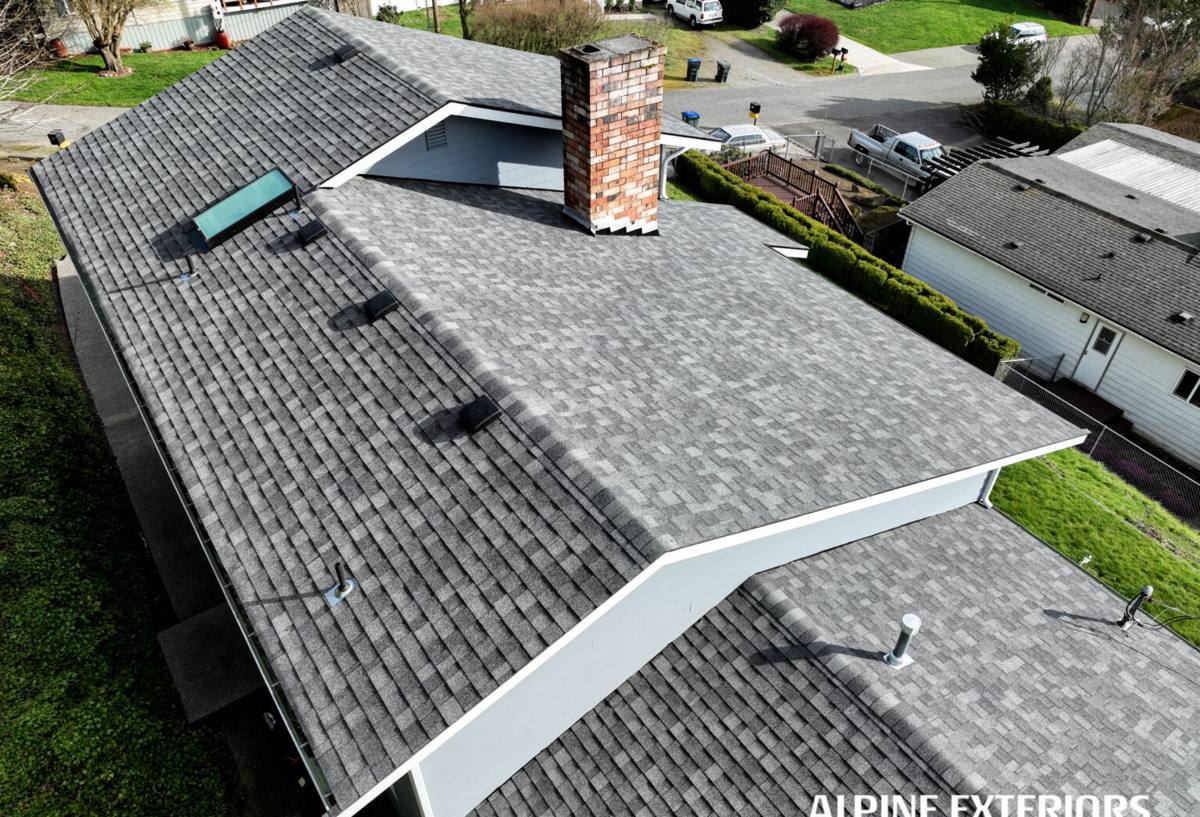
What we see most in Lynden after a storm isn't dramatic. It's rarely a roof torn off in one piece. It's a handful of lifted or cracked shingles, a piece of flashing that worked loose, a limb strike that punched through a section of decking, or wind-driven rain that found its way in through a gap nobody could see from the ground. Small damage, in a climate this wet, doesn't stay small — it becomes a leak, then a stain, then rot in the decking underneath.
Why the Local Climate Matters for Repairs, Not Just Roofs
A storm damage repair in a dry climate is mostly a structural question: patch the hole, replace the material, done. In Whatcom County, it's also a moisture-management question. Every repair we do in Lynden has to account for what happens to that roof for the next eight months of rain, not just whether it looks fixed today.
- Driving rain: Storms here often come with sideways rain, which finds gaps that a straight-down downpour never would. Repairs need proper flashing and underlayment detail, not just a shingle swapped in place.
- Long moss season: Shade, moisture, and mild temperatures make this one of the better climates in the country for moss growth. Moss holds water against the roof surface and can lift shingle edges over time — which matters when we're assessing whether "storm damage" is really storm damage, or storm damage on top of moss-related wear that was already underway.
- Salt-influenced air: Air moving inland off the Sound carries some salt content even well past the immediate shoreline. Over years, it can accelerate corrosion on exposed fasteners, flashing, and metal roofing components — a slow factor we account for when matching repair materials.
- Freeze-thaw snaps: Whatcom County doesn't get deep winters, but it gets enough cold snaps to cause ice damming on north-facing slopes and poorly ventilated attics, which can crack shingles that were already stressed by wind.
None of this means Lynden roofs are fragile. It means a repair that ignores the climate often needs to be redone in a year or two, while one that accounts for it holds up through the next several storm seasons.
What a Correct Storm Damage Roof Repair Actually Involves
Inspection Before Anything Else
We start on the ground and then get on the roof — not just the section that looks damaged, but the whole roof plane, the flashing around chimneys and vents, and the attic if access allows. Wind damage is directional; a gust strong enough to lift shingles on one slope has usually stressed fasteners and seals on the surrounding area too, even where nothing looks obviously wrong yet.
Documentation
Before we touch anything, we document the damage — location, extent, and likely cause. This matters for two reasons: it protects you if you're filing an insurance claim, and it gives us a clear record of what was storm-caused versus what was pre-existing wear, so nobody's guessing later.
The Repair Itself
Depending on what the storm did, a correct repair might include:
- Replacing damaged or missing shingles with matching material, tied properly into the surrounding courses so water sheds correctly instead of pooling at the seam
- Re-securing or replacing lifted flashing around chimneys, skylights, and vent penetrations — usually the first place a leak actually starts
- Repairing or replacing damaged decking underneath, not just covering it up, if wind or debris broke through to the plywood
- Resealing exposed fasteners and seams with proper roofing sealant, not general-purpose caulk
- Checking and clearing gutters and downspouts, since storm debris here often clogs drainage right when the roof needs it most
Final Check
We walk the finished repair with you when possible, and we check that the surrounding roof — not just the repaired section — is sound. A repair that's perfect but ignores a failing seal three feet away isn't a finished job.
Emergency Response: Tarping and Temporary Protection
When a storm opens up your roof, the first priority isn't the permanent fix — it's stopping water from getting into the house. A properly installed temporary tarp, secured correctly so wind can't get under it and rip it loose in the next system, buys you time to get the repair done right instead of rushed. We treat tarping as a real part of the job, not an afterthought, because a poorly secured tarp in a Whatcom County windstorm can do almost as much damage as the original storm.
Insurance Claims: What to Know Before You Call
Most storm damage repairs in this area go through homeowners insurance, and the process goes smoother when the documentation is solid from the start. Here's generally how it works:
| Step | What Happens | Why It Matters Locally |
|---|---|---|
| Initial inspection | Damage is documented with photos and a written assessment | Insurers want clear evidence tying damage to a specific storm event, not general wear |
| Temporary protection | Tarping or board-up to prevent further water intrusion | Most policies expect reasonable steps to prevent additional damage |
| Adjuster visit | Insurance adjuster inspects, often alongside or after our assessment | Having our documentation ready helps avoid disputes over scope |
| Scope and estimate | Repair scope is agreed and written up | Matching materials to existing roofing (age, style, color) is part of a fair estimate |
| Repair work | Work is scheduled and completed | Scheduling around Whatcom County's wet season affects how fast this can happen |
We're happy to provide documentation to support a claim, but we work for you, not the insurance company — our job is an honest assessment of what the roof needs, not a scope written to fit a budget.
Common Roofing Materials on Lynden Homes and How They Take Storm Damage
Most homes in and around Lynden are roofed in asphalt composition shingle, with a growing number of standing-seam metal roofs on newer builds and outbuildings. Each responds to storms a little differently:
Asphalt Shingle
The most common material here, and generally the most affordable to repair. Wind can lift or crack individual shingles or tabs; matching the exact color and style gets harder as a roof ages and the existing shingles have weathered, which is worth knowing going in — a repair section may look slightly different from surrounding shingles until it weathers in.
Standing-Seam Metal
Handles wind well when properly installed, but storm damage tends to show up as dented panels, loose fasteners, or compromised seams rather than missing material. Repairs require matching panel profile and finish, which isn't always available from every supplier.
Wood Shake and Older Materials
Some older Lynden properties still carry cedar shake or older roofing systems. These take moisture and wind stress differently than modern materials and often need a more specialized repair approach — we'll tell you honestly if a section is better replaced than patched.
Why a Crew That Already Works Lynden Makes a Difference
Storm damage repair isn't just a technical job — it's a timing job. After a regional storm event, demand for roofing crews spikes across Whatcom County all at once, and roofs with active leaks don't wait well. A crew that already routes through Lynden and the surrounding Bellingham area as part of normal operations can usually get eyes on your roof faster than one dispatching from farther away, and that speed is often the difference between a contained repair and a ceiling that needs to come down too.
Local familiarity also means understanding what's normal wear for this climate versus what's storm-caused — a distinction that matters for both the repair scope and any insurance claim. And because we're not a storm-chasing crew that shows up after a big weather event and leaves town when the work dries up, we're still reachable if a repair needs a follow-up visit or the warranty needs honoring.
What to Do Right After a Storm
- From inside, check ceilings and upper-floor closets for water stains, especially after wind-driven rain — leaks don't always show up directly under the damage
- From the ground, look for shingles in the yard or gutters, visibly bent flashing, or a section of roof that looks different in color or texture than the rest
- Clear debris away from downspouts and gutters if it's safe to do from the ground — clogged drainage during the next rain makes existing damage worse
- Avoid getting on the roof yourself, especially on wet or moss-covered sections — this is exactly the kind of fall risk that turns a roof problem into a worse one
- Photograph anything you can see safely, for your own records before repairs start
- Call for an inspection sooner rather than later — a roof that's compromised but dry inside is a much simpler, cheaper repair than one that's had weeks of rain working through it
Get a Free, No-Pressure Estimate
If your Lynden home took storm damage — whether it's obvious or you're just not sure and want a second set of eyes — we'll come take a look, give you a straight answer about what's actually going on, and put together an honest estimate. No pressure, no upsell on work the roof doesn't need. Fill out the form below and we'll get back to you.