 Bellingham
 Windows Built for the Puget Neighborhood's Weather, Not a Showroom
Homes in the Puget neighborhood sit close enough to the water and the weather that comes with it that windows here take a beating most manufacturers never test for. Salt-laden air off the water, driving rain that comes in sideways more often than straight down, and a moss season that can stretch from fall through spring all put steady pressure on window frames, seals, and glazing. A window that performs fine in a dry inland climate can fail early here — fogging between panes, swelling sashes, or seals that give out years before they should.
When we talk about "energy-efficient windows" for a Puget-area home, we're not just talking about lower heating bills, though that matters. We're talking about a window system — frame, glass, flashing, and sealant — that's specified and installed to handle Bellingham's specific combination of cool damp winters, persistent moisture, and salt exposure without degrading early.
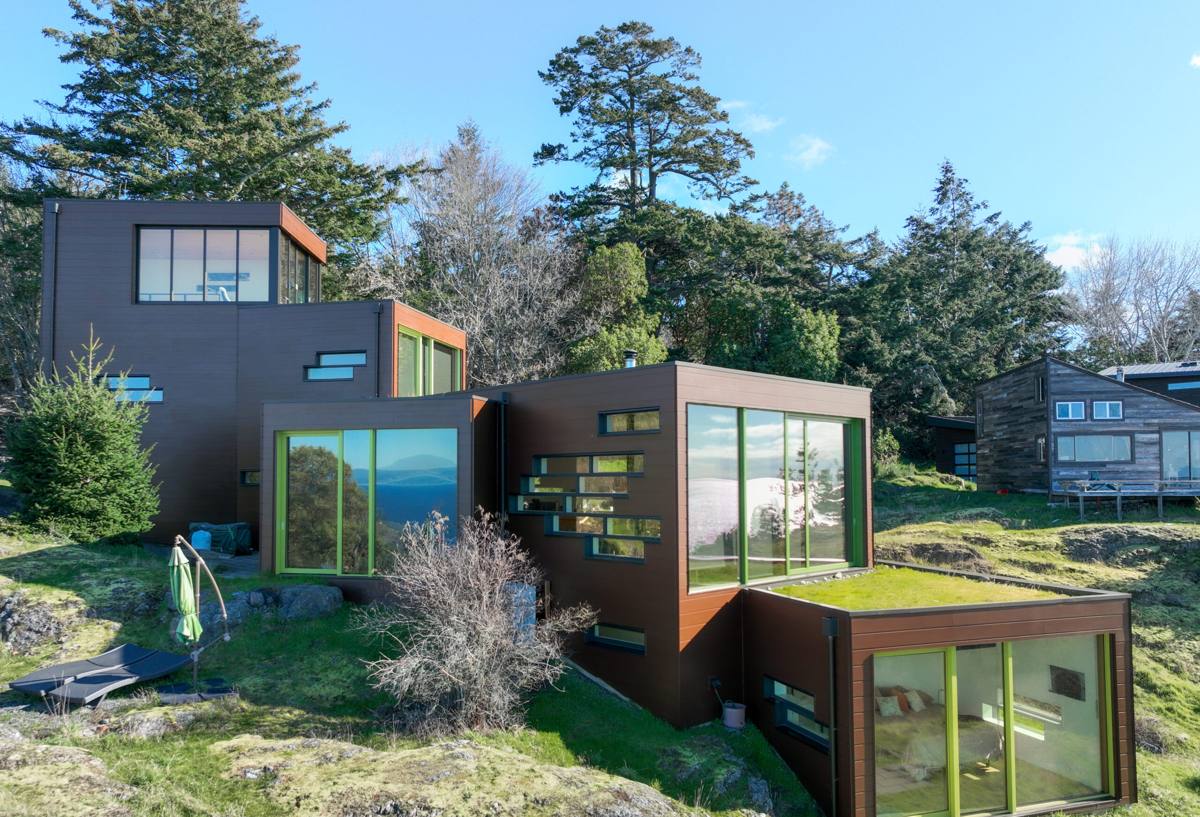
What the Local Climate Actually Does to Windows
Salt Air
Airborne salt accelerates corrosion on hardware, fasteners, and lower-grade metal components. It also attacks certain finishes and sealants faster than a standard product warranty accounts for. This doesn't mean every window near the water fails — it means frame material, hardware grade, and sealant choice need to be picked with that exposure in mind, not just picked off a standard spec sheet.
Driving Rain
Wind-driven rain finds every gap in flashing and sealant that a calm-weather install would never expose. Most window leaks we get called out to fix aren't bad windows — they're windows that were installed without proper flashing integration into the wall's water-resistive barrier. The window itself can be excellent and still leak if the installation didn't account for wind-driven moisture.
Moss Season
A long moss season means extended periods of shade, damp, and organic buildup on sills, trim, and anywhere water sits instead of draining. Moss and algae growth on and around window trim holds moisture against wood and composite materials, which shortens the life of anything not detailed to shed water quickly.
What "Energy-Efficient" Should Mean Here
Energy efficiency ratings are useful, but they're written for a national audience. For Bellingham's marine climate, the priorities shift slightly:
- U-factor matters more than solar heat gain coefficient — we're managing heat loss on cool, overcast days more than we're blocking summer sun.
- Low-E coatings help retain interior heat during long stretches of gray, damp weather.
- Argon or krypton gas fills between panes add insulation value without adding bulk.
- Warm-edge spacers (rather than older metal spacers) reduce condensation risk at the glass edge — a real issue in a humid coastal climate where interior humidity is often higher than average.
A window that's technically "energy-efficient" on paper but poorly sealed against wind-driven rain will cost you more in repairs than it saves in heating — that's the trade-off homeowners here need to weigh, not just the sticker rating.
Signs Your Current Windows Are Working Against You
Most homeowners don't replace windows because of a single dramatic failure — it's a slow accumulation of small signs. Worth checking for:
- Visible fog or moisture trapped between panes (a failed seal, not a cleaning issue)
- Drafts you can feel with a hand near the frame on a windy day
- Soft or discolored wood at the sill or lower corners
- Moss or dark staining building up on the exterior trim faster than it used to
- Difficulty opening, closing, or locking a window that used to move freely
- Noticeably colder rooms near windows compared to the rest of the house
Any one of these can often be repaired. Several at once, especially on an older window, usually means the unit has reached the end of what repair can reasonably fix.
Frame Material: What Holds Up in This Climate
| Frame Material | How It Handles Salt Air & Moisture | Maintenance Burden |
|---|---|---|
| Vinyl | Good corrosion resistance; won't rot; performs well in coastal moisture | Low — occasional cleaning |
| Fiberglass | Very stable in temperature swings and moisture; strong long-term option | Low |
| Wood-clad | Attractive, but the wood core is vulnerable if cladding or seals are compromised | Higher — needs monitoring at joints |
| Aluminum | Durable but conducts heat and cold and can corrode near salt air without a marine-grade finish | Moderate |
We don't push one material on every job. The right call depends on the home's exposure, the homeowner's maintenance appetite, and budget. What we won't do is recommend a frame material or hardware grade that we know struggles in salt air just because it's cheaper up front — that's a maintenance headache we'd rather steer you away from than sell you into.
What a Correct Installation Actually Involves
In this climate, installation quality matters as much as the window product itself. A correct install includes:
- Removing the old unit carefully and inspecting the rough opening for hidden rot or moisture damage before anything new goes in.
- Repairing any compromised framing or sheathing found during removal — installing a new window into a damaged opening just traps the problem behind new trim.
- Integrating flashing correctly with the home's existing water-resistive barrier so wind-driven rain is directed out and down, not into the wall cavity.
- Using the right sealants at the right locations — sealed where water needs to be stopped, left open where the assembly needs to drain and dry.
- Insulating the gap between the window frame and rough opening without overpacking it, which can bow the frame and affect operation.
- Finishing exterior trim so water sheds away from the opening rather than pooling or wicking into end grain.
Skip any one of these steps and you can end up with a window that's rated well on paper but leaks, drafts, or fails early anyway. This is where most of the difference between a good and a bad window job actually shows up.
Our Process for Puget-Area Homes
We keep the process straightforward and try not to waste your time with upsells you didn't ask for:
- On-site assessment — we look at existing windows, framing condition, sun and wind exposure, and moisture history around each opening.
- Honest recommendation — full replacement, repair, or a mix, based on what the windows actually need, not a blanket sales pitch.
- Accurate measurement and ordering — every opening in an older home is a little different, especially in houses that have settled over the years.
- Installation with weather in mind — we plan install days around forecasted rain where possible, and protect openings properly if weather turns mid-job.
- Cleanup and walkthrough — you should be able to operate, lock, and clean every new window with no surprises before we consider the job done.
Why Local Experience in Puget Specifically Matters
A crew that already works in the Puget neighborhood and around Bellingham has seen how this specific stretch of coastline behaves over multiple seasons — which sides of a house take the worst wind-driven rain, how quickly moss builds up on north- and shade-facing trim, and which older homes tend to have hidden moisture issues around original window openings. That's not something a crew unfamiliar with Whatcom County's coastal conditions picks up on a single job. It shows up in fewer callbacks, better flashing decisions, and a realistic read on what your home actually needs versus a generic recommendation.
Permitting and code requirements can also vary by jurisdiction within the county, and a local crew already knows what's expected without guessing.
Keeping Windows Performing Through a Long Moss Season
Even a well-installed, high-quality window needs some basic upkeep in this climate to keep performing the way it should:
- Clear moss and debris from trim and sills before it holds moisture against the surface
- Check exterior caulking annually for cracking or gaps, especially after a hard winter
- Make sure weep holes on vinyl or fiberglass frames stay clear so water drains properly
- Operate hardware periodically so mechanisms don't seize from disuse and dampness
- Watch for early condensation between panes — it's a seal failure, not a cleaning problem, and it's worth addressing before it spreads to other units from the same batch
What Affects the Cost of a Window Project Here
| Factor | Why It Moves the Price |
|---|---|
| Frame material | Vinyl generally costs less upfront than fiberglass or wood-clad |
| Number and size of openings | More or larger windows means more material and labor |
| Condition of existing framing | Hidden rot or moisture damage adds repair work before install |
| Glass package | Upgraded Low-E coatings or gas fills add cost but improve performance |
| Access and site conditions | Upper floors, tight lots, or difficult access add labor time |
Costs vary enough by home that we don't quote broad numbers without seeing the actual openings — a single-window repair and a whole-house replacement aren't remotely the same conversation.
If your windows in the Puget neighborhood are drafty, fogged, or just past their prime, we're happy to take a look and give you an honest read on what's going on — no pressure, no obligation. Use the form below to request a free estimate.