 Bellingham
 Deck Building Built for Sehome's Climate
Sehome sits close enough to Bellingham Bay that salt air, wind-driven rain, and a moss season that can stretch from October through May are just part of owning a home here. A deck built with techniques borrowed from drier climates will look fine for a year or two and then start showing problems: soft spots near the ledger board, black streaking on the boards, moss creeping into the seams, fasteners bleeding rust through the finish. We build decks in Sehome the way this specific climate requires, not the way a generic framing guide describes.
This page covers what actually matters for a deck in this neighborhood: material choices that hold up, structural details that keep water out of places it shouldn't be, drainage and moss prevention, permitting, and what our process looks like from first visit to final walkthrough.
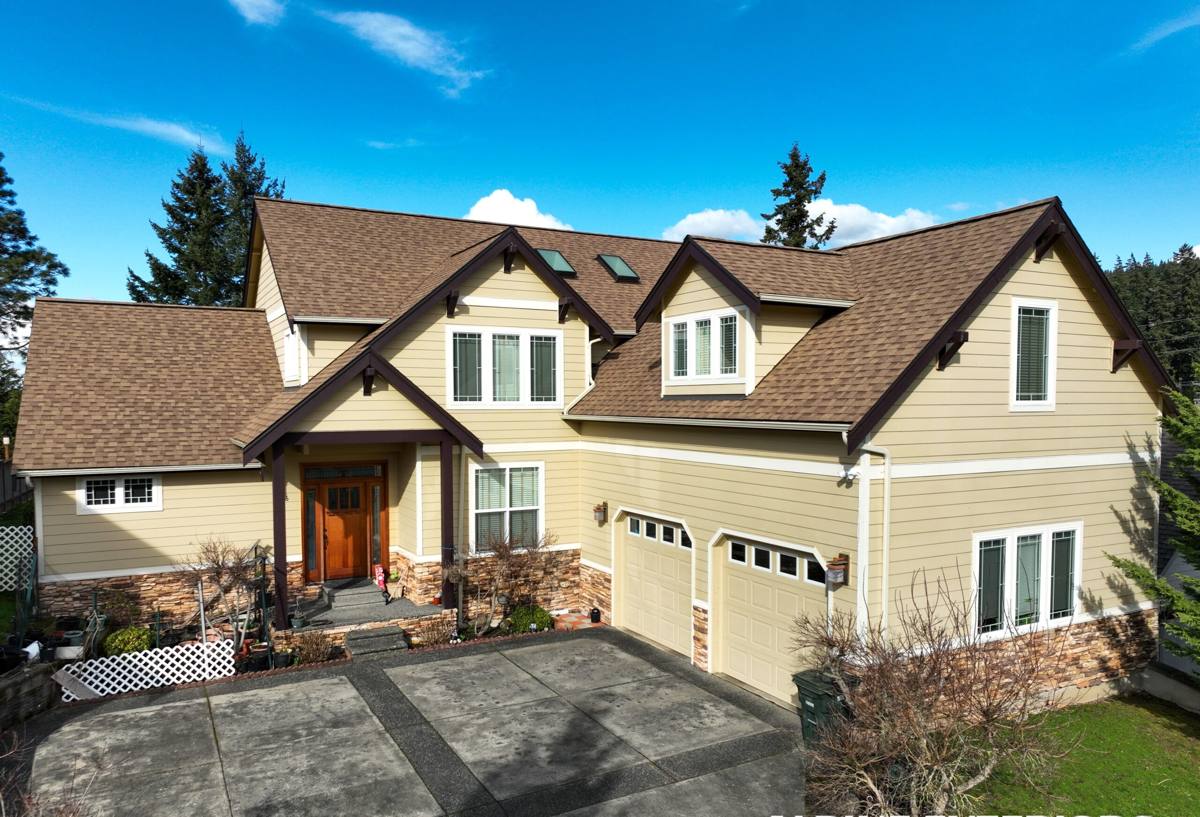
What Bellingham's Weather Does to an Outdoor Deck
Whatcom County's marine climate is mild, which is part of why people love living here, but it's also relentless in a way that matters for exterior wood and hardware. A few things we plan for on every Sehome deck:
- Driving rain: Wind off the bay pushes rain sideways more often than most homeowners expect, which drives moisture under boards and into ledger connections that aren't properly flashed.
- Salt air: Even a few miles inland, airborne salt accelerates corrosion on cheap or improperly rated fasteners and hardware, leading to streaking and eventually structural weakening.
- Long moss season: Shaded, north-facing, or tree-covered decks stay damp for months at a time. Moss and algae aren't just cosmetic — they hold moisture against the wood surface and make boards dangerously slick.
- Freeze-thaw cycling: It doesn't get brutally cold here, but repeated freezing and thawing of trapped moisture in end grain and fastener holes is enough to open up cracks over a few seasons.
None of this means a deck can't last decades in Sehome. It means the material selection, the flashing details, and the drainage design all have to account for near-constant moisture exposure rather than the occasional rainstorm.
Choosing Decking Materials That Hold Up Locally
Wood vs. composite in a wet climate
Both real wood and composite decking can perform well here if they're installed correctly, but they ask for different levels of ongoing care. Cedar and other softwoods are attractive and affordable up front, but they need to be cleaned and resealed regularly to resist the moss and mildew that this climate practically guarantees if the surface is left untreated. Composite and PVC decking cost more initially but shed water differently and resist moss growth better on the surface, though they still need the substructure underneath protected just as carefully as a wood deck would.
What we steer people away from, and why
We don't recommend untreated ground-contact lumber for structural framing in this climate, and we're cautious about decking products with hidden fastener systems that trap moisture against the board's underside without adequate airflow. These aren't defects in any particular product line — it's about matching material behavior to a climate where things stay damp for long stretches. We'll walk through the honest trade-offs of whatever material you're leaning toward before you commit.
| Material | Upfront Cost | Moss/Moisture Resistance | Maintenance | Typical Lifespan |
|---|---|---|---|---|
| Cedar | Moderate | Fair — needs sealing | Annual cleaning/sealing | 15–20 years |
| Pressure-Treated Fir/Pine | Lower | Fair with proper sealing | Annual cleaning/sealing | 15–20 years |
| Composite | Higher | Good on surface | Periodic washing, no sealing | 25–30 years |
| PVC/Capped Composite | Highest | Very good on surface | Occasional washing | 30+ years |
These are general ranges, not quotes — the right material for your deck depends on sun exposure, budget, and how the deck ties into the rest of the house.
Framing and Structural Details That Matter Most
The decking surface is what you see, but the framing underneath is what determines whether the deck is still solid in fifteen years. In a climate like this, a few details are non-negotiable on every deck we build:
Ledger board flashing
Where the deck attaches to the house is the single most common failure point on decks in this region. We flash that connection so water is directed away from the house sheathing and framing, not trapped behind the ledger board where it can rot both the deck and the wall it's attached to.
Joist protection
Exposed cut ends and joist tops absorb water fastest. We protect joist tops and any field cuts so the framing isn't relying on paint or stain alone to keep moisture out of the end grain.
Fasteners and hardware
Given the salt air off the bay, we use corrosion-resistant fasteners and structural hardware rated for exterior and coastal-adjacent exposure. Mismatched or under-rated hardware is a common shortcut that shows up as rust streaking and weakened connections within a few years.
Footings and post bases
Footings are set below frost depth and post bases are installed to keep post ends off wet concrete and out of standing water, which is one of the fastest ways a deck post fails prematurely in a wet climate.
Designing Against Moss, Mildew and Standing Water
A deck that's designed correctly from the start needs far less scrubbing later. We think through drainage and airflow at the design stage, not as an afterthought:
- Proper board spacing so water sheds through rather than pooling on the surface
- Adequate ventilation underneath the deck so the substructure can dry out between rain events instead of staying damp
- Grading and, where needed, under-deck drainage so water is directed away from the house foundation
- Thoughtful placement relative to trees and shade, since heavily shaded decks in Sehome's tree-covered lots are the ones that need moss treatment most often
If your lot is heavily shaded or backs up to trees, we'll talk through realistic expectations for how much upkeep the deck will need regardless of material, since no coating or product eliminates moss risk entirely in a spot that never gets direct sun.
Permits, Setbacks, and Local Code
Deck projects in Bellingham typically go through the City's permitting process, and requirements can shift depending on deck height, size, and proximity to property lines — Sehome's mix of older lots and infill development means setback questions come up often. We handle the permit application and inspection scheduling as part of the project so you're not left figuring out city requirements on your own. If your property has any unusual constraints — a steep lot, an easement, an older structure with undocumented additions — we flag that during the initial visit rather than after work has started.
How We Build a Deck in Sehome, Start to Finish
- On-site visit: We look at the site, discuss how you'll use the deck, and talk through material options given sun exposure, shade, and your maintenance preferences.
- Design and quote: You get a clear scope and price before any work begins — no vague allowances that turn into surprises later.
- Permitting: We prepare and submit what's needed for City of Bellingham approval and schedule inspections at the appropriate stages.
- Demolition/prep: If we're replacing an existing deck, we remove it and inspect the ledger connection and any framing it's attached to before building new.
- Framing: Footings, posts, beams, and joists go in with the flashing, hardware, and drainage details described above.
- Decking and finish work: Surface material, railings, and any stairs or fascia are installed and finished.
- Final walkthrough: We go over the finished deck with you, including what maintenance it will actually need going forward.
Keeping a New Deck Looking Good Through Whatcom County Winters
What you do after the deck is built matters almost as much as how it was built. A short, honest maintenance routine goes a long way here:
- Sweep leaves and debris off the surface regularly in fall, when Sehome's tree cover sheds heavily onto decks and walkways
- Rinse or gently wash the surface a few times a year to keep moss and algae from getting established, especially on shaded sections
- Reseal or restain wood decking on the schedule appropriate to the product — don't wait until the finish has visibly failed
- Check railings and stair connections annually for movement or loosened hardware
- Keep gutters and downspouts near the deck clear so runoff isn't dumping directly onto or under the deck structure
- Watch for soft spots near the ledger board or posts, which are the earliest sign of a moisture problem
Why Hire a Crew That Already Works in Sehome
A deck built to a generic national standard isn't necessarily built for this specific climate. Crews who work Sehome regularly already know which details get skipped by out-of-area or inexperienced builders, what the City of Bellingham expects during inspections, and how differently a shaded lot near mature trees behaves compared to an open, sunny one a few blocks away. That local familiarity shows up years later in the form of a deck that isn't rotting at the ledger board or blackened with moss within the first couple of seasons.
We're a siding and exterior contractor based in this area, which means deck work isn't disconnected from the rest of your home's exterior — we're already thinking about how the deck interacts with your siding, flashing, and drainage as a whole system, not as an isolated structure bolted onto the house.
If you're planning a new deck or need to replace one that's showing its age, we're happy to take a look and give you a straightforward, no-pressure estimate. Use the form below to get started.