 Bellingham
 Sehome sits close enough to Bellingham Bay to catch the marine weather rolling off the Salish Sea, and far enough into the tree canopy near Sehome Hill to stay shaded and damp for long stretches of the year. That combination is hard on roofs. Wind-driven storms off the water push rain sideways under flashing and shingle tabs, while the shade and moisture keep moss and algae active for most of the year. If you own a home in this part of Bellingham, your roof is working harder than a roof in a drier, sunnier part of the state — and storm damage here doesn't always look dramatic. It's often a lifted tab, a cracked flashing seam, or a patch of granule loss that turns into a leak months later.
This page covers what storm damage actually looks like on a Sehome roof, what a correct repair involves, and how we approach the work when you call us after a windstorm or a heavy rain event.
What Bellingham Weather Does to a Sehome Roof
Storm damage in this neighborhood is rarely one single event. It's usually the cumulative effect of several factors working together over a wet Whatcom County winter.
Wind-Driven Rain
When storms come in off the bay, rain doesn't just fall — it's pushed sideways by gusts, which forces water under shingle edges, around vent boots, and into flashing laps that were never designed to handle horizontal water pressure. A roof that sheds a normal rainstorm just fine can still leak during one of these wind events if a seam has started to open up.
Moss and Organic Growth
Sehome's mix of mature trees and shaded lots means many roofs stay damp longer after a storm than roofs in more open, sun-exposed parts of Bellingham. Moss holds moisture against the roofing material, works its way under shingle tabs as it grows, and gradually lifts them — which is exactly the kind of weak point a windstorm will exploit. A roof with active moss growth is more vulnerable to storm damage, not less.
Salt Air and Corrosion
Proximity to Bellingham Bay means a low but steady level of salt exposure in the air. Over years, this accelerates corrosion on exposed metal — flashing, fasteners, gutter hardware — faster than it would inland. Corroded metal fails quietly, and a flashing seam that's rusted thin is far more likely to open up during a storm than one that's sound.
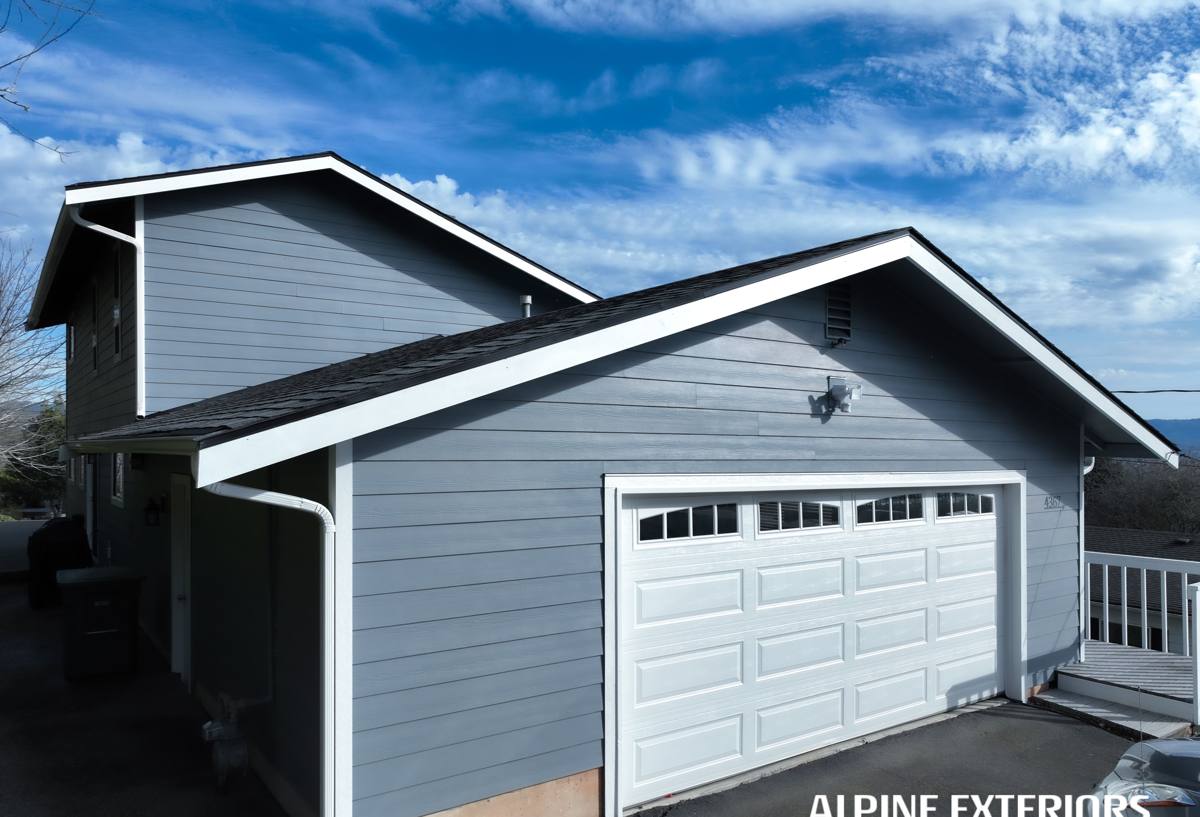
Signs Your Roof Has Storm Damage
Some storm damage is obvious. Most of it isn't. After any significant wind or rain event, it's worth checking for the following:
- Shingle tabs that look lifted, curled, or are missing outright
- Granules collecting in gutters or at the base of downspouts
- New or worsening moss growth along the shaded slopes of the roof
- Water stains on interior ceilings, especially near chimneys, skylights, or vent penetrations
- Dented or creased flashing around chimneys, vents, and roof-to-wall transitions
- Sagging or soft spots underfoot when walking the roof during inspection
- Debris — branches, needles, moss clumps — packed into valleys where water is meant to flow freely
None of these on their own necessarily means a full roof replacement. But left alone, each one is a path for water to get under the roofing material, and once water gets underneath, the damage spreads faster than most homeowners expect.
What a Correct Storm Damage Repair Involves
A repair that actually holds up through the next storm season involves more than swapping out the shingle that's visibly missing.
A Full Inspection, Not a Spot Check
Storm damage is rarely contained to the exact spot where it's visible from the ground. We check the whole roof plane, not just the area near the reported leak, because wind damage tends to cluster along ridge lines, edges, and valleys — areas that take the most direct wind load in a storm.
Matching Materials Correctly
Repairing a section of roof means matching the existing shingle profile, color, and weight as closely as possible. A mismatched patch is a cosmetic problem today and a maintenance headache later, since different shingle products age and weather at different rates.
Flashing and Underlayment First
Shingles are the visible layer, but flashing and underlayment are what actually keep water out at the vulnerable points — chimneys, skylights, valleys, and wall transitions. If a storm damaged the shingles in an area, we check the flashing and underlayment underneath before simply re-covering it. Replacing shingles over damaged flashing just hides the problem for one more storm.
Documentation
If you're planning to file an insurance claim, we document the damage with clear photos and a written scope of the repair before work begins. This matters more than most homeowners realize — a claim that's well documented moves faster and gets fewer pushback questions from the adjuster.
Repair vs. Replacement: How We Make That Call
Not every storm-damaged roof needs to be replaced, and we don't default to recommending a full replacement when a targeted repair will genuinely hold. The right call depends on the roof's age, the extent of the damage, and what we find once we're actually up there.
| Factor | Favors Repair | Favors Replacement |
|---|---|---|
| Roof age | Under 10-15 years, good overall condition | Near or past expected service life |
| Extent of damage | Isolated to one or two areas | Spread across multiple slopes |
| Underlying decking | Sound, no rot or soft spots | Soft, water-stained, or rotted sheathing |
| Moss/algae condition | Light, treatable growth | Heavy growth compromising multiple courses |
| Material availability | Close match available for existing shingle | Discontinued or badly weathered mismatch |
We'll walk you through which category your roof falls into and why, in plain terms, before any work starts.
Our Repair Process
- Inspection and assessment — we walk the full roof, not just the damaged section, and check attic or ceiling areas for signs of water intrusion.
- Written scope and estimate — you get a clear breakdown of what needs to be done and why, with no pressure to upsell into a full replacement if a repair is the honest answer.
- Material matching — we source shingles, flashing, and underlayment that match your existing roof as closely as possible.
- Repair work — flashing and underlayment are addressed first, then shingles, then any moss or debris cleanup around the repaired area.
- Final check — we confirm the repair sheds water correctly and walk you through what was done.
Working With Insurance After a Storm
Many storm damage repairs in this area are at least partially covered by homeowners insurance, depending on your policy and the cause of the damage. We're not your insurance adjuster and won't claim to be, but we can provide the documentation — photos, measurements, and a written scope — that your adjuster needs to process a claim efficiently. Getting a second opinion from a roofer who isn't your insurance company's own contractor is a reasonable thing to want, and we're glad to be that second set of eyes.
Why a Crew That Already Works Sehome Matters
Roof repair advice that works for a dry, open, inland roof doesn't always translate to a shaded lot near Sehome Hill with heavier moss pressure and more direct exposure to storms coming off the bay. A crew that regularly works this part of Bellingham already has a feel for which roof orientations tend to take the worst wind damage, how fast moss comes back on shaded northern slopes, and which flashing details tend to fail first under salt air exposure. That local pattern recognition means less guesswork and a repair that's built for the conditions your roof actually faces, not generic textbook conditions.
Maintenance Between Storms
A repaired roof still needs some basic upkeep to avoid repeat damage, especially given how active moss and debris buildup can be in this area.
- Clear gutters and valleys of moss, needles, and leaf debris at least twice a year
- Trim back tree limbs that overhang the roof to reduce shade, debris, and abrasion
- Have the roof looked at after any major windstorm, even if you don't see obvious damage from the ground
- Address small moss patches early, before they spread and lift shingle tabs
If a recent storm has left you with a leak, missing shingles, or just an uneasy feeling about your roof's condition, we're happy to take a look. We offer free, no-pressure estimates for storm damage repair in Sehome and the surrounding Bellingham area — use the form below to get started.