 Bellingham
 Siding Installation Built for Happy Valley's Climate
Happy Valley sits close enough to Bellingham Bay that salt-laden air is a real factor in how exterior materials age, and far enough into the Pacific Northwest's wet belt that driving rain and a long moss season are just part of owning a home here. Any siding installation in this neighborhood has to account for both. Products and installation methods that work fine in a dry inland climate don't always hold up the same way a few blocks from the water in Whatcom County.
This page is specifically about siding installation for Happy Valley homes — not a general overview of siding everywhere. The moisture patterns, wind exposure, and shade from mature tree cover common in this part of Bellingham all factor into what a correct installation looks like here.
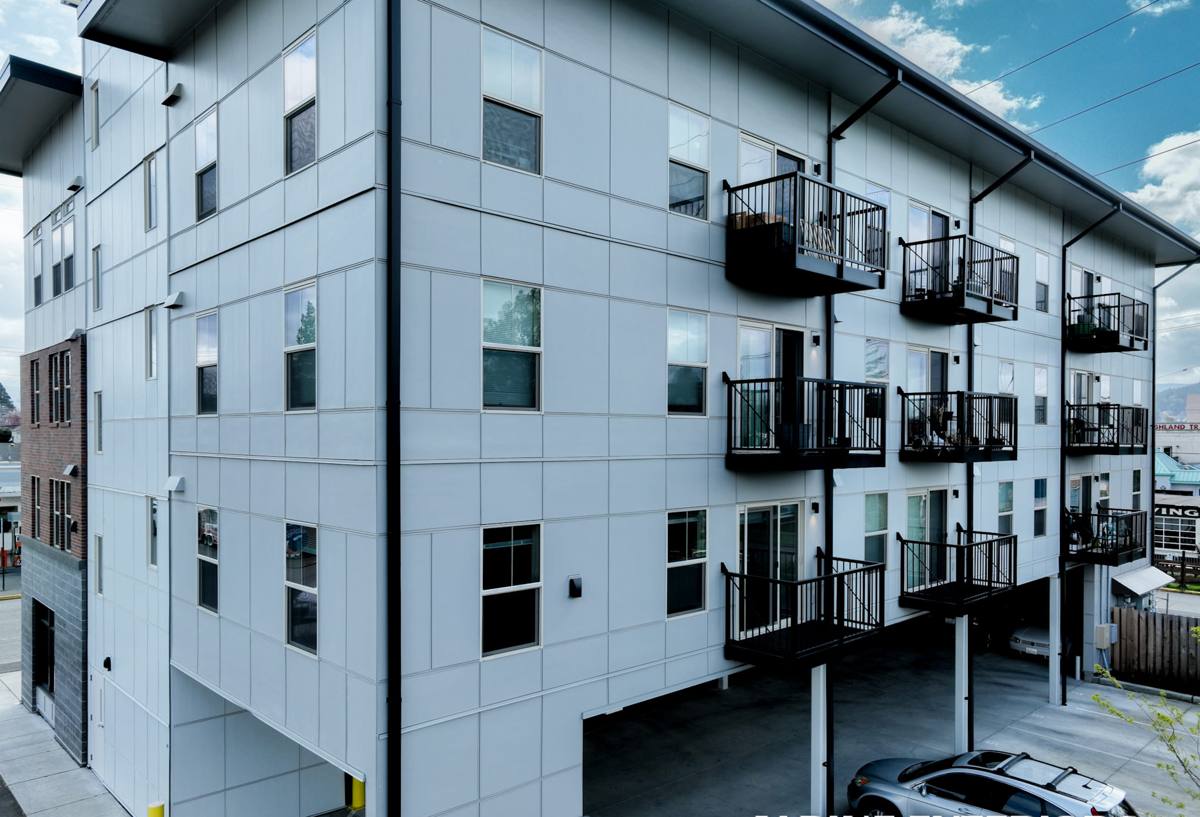
Why Happy Valley Homes Wear Siding Differently
Salt Air and Moisture
Proximity to the bay means airborne salt settles on exterior surfaces and accelerates corrosion of exposed metal fasteners, trim, and lower-quality coatings. Siding that isn't engineered to resist this environment tends to show fading, chalking, or fastener staining sooner than the manufacturer's marketing suggests.
Driving Rain
Storms coming off the water don't just fall straight down — wind-driven rain gets pushed sideways into walls, seams, and penetrations. A siding system that isn't properly flashed and back-ventilated will trap that moisture behind the cladding, where it does the most damage out of sight.
Moss and Shade
Many lots in and around Happy Valley have significant tree canopy, which keeps homes cooler in summer but also keeps siding damp longer after every rain. Moss and algae growth on north-facing walls and anything shaded most of the day is common, and it's a maintenance issue as much as an appearance one — organic growth holds moisture against the surface.
What a Correct Siding Installation Actually Involves
A siding job that looks fine from the curb can still fail behind the surface if the underlying details are skipped. For Happy Valley's climate, the details below aren't optional upgrades — they're the difference between siding that lasts and siding that causes problems in five to ten years.
- Weather-resistive barrier installed correctly, lapped shingle-style so water sheds outward, not into the wall assembly
- Proper flashing at every window, door, and penetration, integrated with the barrier rather than just caulked over
- Rainscreen or drainage gap where conditions call for it, so any moisture that gets behind the siding can drain and dry instead of sitting against the sheathing
- Correct fastener type and schedule — the right length, spacing, and corrosion resistance for the specific siding product
- Sealed and back-primed cut edges on every piece, since a factory-finished face means nothing if the cut ends are left exposed
- Clearances at grade, decks, and roof lines so siding isn't sitting in standing water or debris
Skipping any one of these is usually invisible at installation and expensive later — trapped moisture behind siding leads to rot, mold, and sheathing damage that isn't obvious until it's advanced.
Why We Only Install James Hardie Fiber Cement
We install James Hardie fiber cement siding exclusively — not vinyl, not LP SmartSide, not primed wood, not other fiber cement brands. That's a deliberate standard, not a lack of options, and it matters specifically for a neighborhood like Happy Valley:
- Non-combustible material that doesn't warp, melt, or deteriorate the way some alternatives can under sustained moisture and temperature swings
- ColorPlus factory finish, which is baked on under controlled conditions and holds up better against UV and salt exposure than field-applied paint
- Climate-engineered HZ product lines, formulated for wet, humid regions like the Pacific Northwest specifically to resist moisture-related damage
- Strong transferable warranty backing both the material and the finish, which matters on a coastal-influenced property where materials are under more stress
- Proven long-term performance when installed to manufacturer spec, which is why we control the installation as tightly as we do
Fiber cement won't feed moss the way wood-based products can, and it doesn't have the expansion and contraction issues that cause vinyl to gap, warp, or pull away from fasteners over time. For a home dealing with salt air and near-constant damp shade for parts of the year, that durability profile is the whole point.
Our Installation Process for Happy Valley Homes
1. On-Site Assessment
We look at the existing siding and sheathing condition, wall orientation relative to prevailing wind and rain, tree cover and shade patterns, and any existing moisture or moss issues before quoting anything.
2. Removal and Substrate Check
Old siding comes off and we inspect the sheathing underneath. Any rot or water damage found at this stage gets addressed before new siding goes on — covering over a compromised substrate just hides the problem.
3. Weather Barrier and Flashing
We install the water-resistive barrier and flash every window, door, and penetration point according to manufacturer and code requirements, prioritizing the details that matter most against driving rain.
4. Hardie Installation
Panels or planks go on with the correct fastener type, spacing, and clearances, with all cut edges sealed. We follow James Hardie's installation instructions to the letter, since deviating from spec is how warranties get voided and how moisture problems start.
5. Trim, Caulking, and Final Walkthrough
Trim work, caulking at transitions, and a final inspection close out the job, followed by a walkthrough so you know exactly what was done and what to expect going forward.
Cost Factors for Siding Installation in Happy Valley
Every project is different, but these are the variables that most commonly move the price on a Happy Valley siding job:
| Factor | Why It Matters Here | Effect on Project |
|---|---|---|
| Existing siding removal | Older siding or hidden rot from long-term moisture exposure may need extra tear-off and repair | Adds labor and material for substrate repair |
| Home height and stories | Wind-driven rain hits upper walls harder; access and safety equipment scale with height | Increases labor time and equipment needs |
| Trim and architectural detail | More corners, dormers, and transitions mean more flashing and cut work | Adds installation time |
| Siding product line | HZ5 and specialty profiles cost more than base lines but perform better in this climate | Increases material cost, extends product life |
| Tree cover and access | Shaded, tree-heavy lots common near Happy Valley can complicate staging and cleanup | May add site prep time |
| Moisture damage found | Rot discovered during removal has to be repaired before new siding goes on | Adds unplanned repair cost, varies by severity |
Why Local Experience in Happy Valley Matters
A crew that already works this part of Bellingham knows which walls typically take the worst of the wind-driven rain, where moss tends to build up fastest, and how Whatcom County's permitting and inspection process actually runs in practice. That familiarity shortens the guesswork on your project and reduces the chance of surprises once the old siding comes off. It also means we're not learning the neighborhood's quirks on your dime — we already know what a Happy Valley home has usually been dealing with by the time we get the call.
What to Ask Before You Hire
- Do they install to the manufacturer's full spec, including flashing and drainage details, not just the visible face?
- Will they inspect and repair sheathing before covering it, or just install over what's there?
- What warranty applies to materials, finish, and labor — and is it transferable?
- Have they worked on homes in this specific area, dealing with the same rain and shade exposure?
- Are they installing a single, consistent product system, or mixing and matching to hit a price point?
What to Expect After Installation
Correctly installed James Hardie siding is low-maintenance, but it isn't zero-maintenance. Periodic rinsing to clear pollen, moss spores, and salt residue helps the ColorPlus finish look its best, and it's worth a visual check after major storms for any caulking or trim issues, especially on walls that take the brunt of wind-driven rain. Because the material and finish are engineered for this climate, you're not fighting the same warping, cracking, or repainting cycles that come with less durable products.
Get a Free, No-Pressure Estimate
If your Happy Valley home has siding that's showing its age, holding moisture, or just wasn't built for what this stretch of Bellingham's weather does to a house over time, we're glad to take a look. The estimate is free, there's no pressure, and you'll get a straight answer about what your home actually needs.