 Bellingham
 Custom Windows Built for Silver Beach Homes
Silver Beach sits close enough to Bellingham Bay and Lake Whatcom that homes here take on moisture from two directions at once — rain off the water and humidity that never fully clears, even in the drier months. Windows are one of the first places that shows up. Fogged double panes, swollen wood sashes, vinyl frames that have gone chalky and stiff, and sills with soft spots are all common calls we get from this neighborhood. Custom windows, sized and built for the actual openings in an older or uniquely shaped Silver Beach home, hold up to that environment a lot better than a stock replacement forced into a rough opening it wasn't designed for.
This page is about one thing: custom window work for homes in and around Silver Beach, and what it actually takes to do that job right in this specific climate. Not a general overview of every window product on the market — just what matters here.
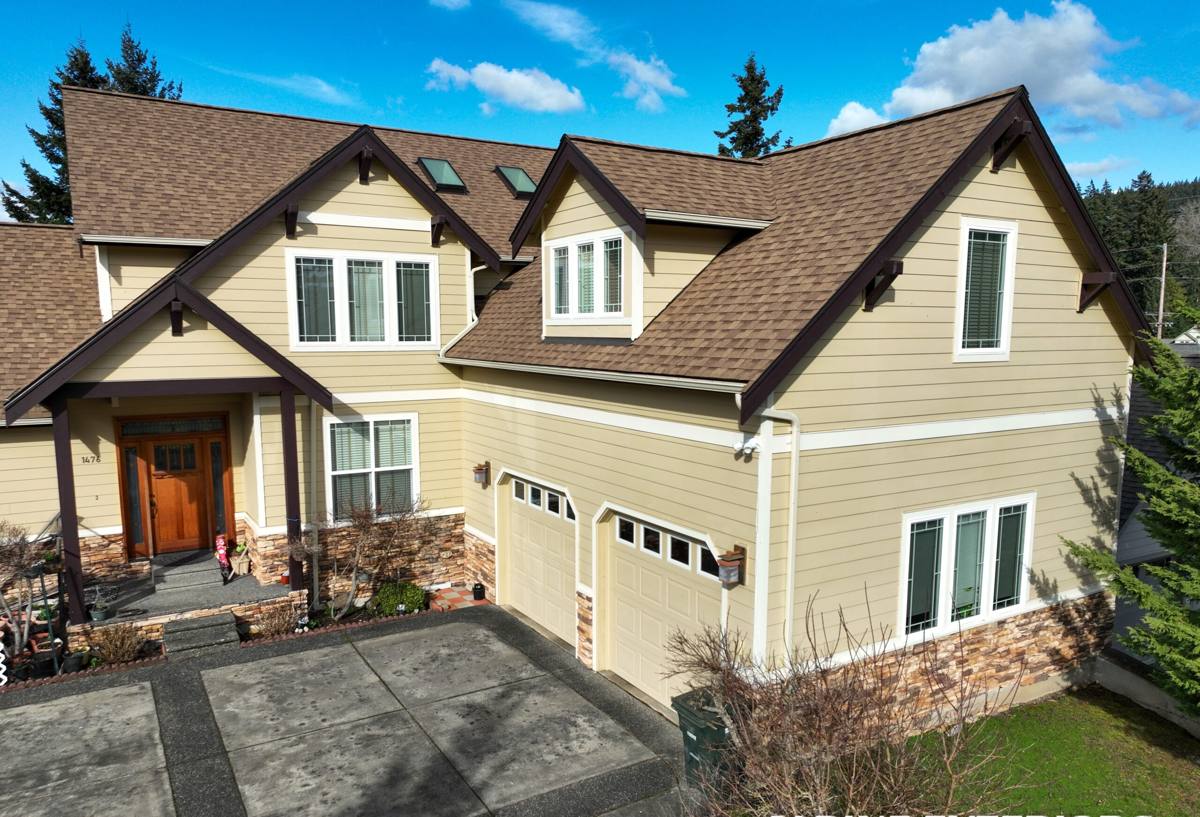
What Whatcom County Weather Does to Windows Over Time
Bellingham's marine climate is mild, which is part of why people love living here, but mild doesn't mean easy on building materials. Salt air off the bay is mildly corrosive to exposed metal hardware and fasteners. Driving rain, especially in winter storms that come in sideways, tests every seal, sill pan, and piece of flashing a window has. And the long stretch of gray, damp months — Whatcom County's moss season can run from fall through spring — keeps wood, caulk, and trim wet for extended periods instead of letting them dry out between rains.
None of this is a reason to avoid windows with wood components or to over-engineer a simple replacement. It's a reason to get the details right: correct flashing sequence, proper drainage at the sill, hardware rated for a coastal-adjacent climate, and glazing that resists the condensation that shows up when warm indoor air meets cold glass on a 40-degree Bellingham morning.
Signs a Silver Beach home's windows are past their working life
- Fogging or a visible haze between panes of double-glazed units (failed seal)
- Wood sashes or sills that feel soft, spongy, or show dark staining
- Windows that won't stay open on their own, or won't latch tight
- Visible daylight or a draft around the frame when the window is closed
- Paint or finish that's peeling from the inside face, not just the exterior
- Moss or green growth building up in the exterior sill corners
Common Window Situations We See in This Neighborhood
Older homes with original or early-replacement windows
A number of Silver Beach homes still have windows that were never upgraded, or that got a budget replacement decades ago. In both cases, the rough openings are often slightly out of square by now, which is exactly where custom sizing earns its keep — a true custom window is built to the opening as it actually is, not the opening as it was framed forty or sixty years ago.
Homes with lake or bay-facing exposure
Windows that face open water or take the brunt of prevailing wind and rain wear faster than windows on a sheltered side of the same house. These openings deserve extra attention to flashing and drainage, and sometimes a heavier-duty hardware package, regardless of which frame material the homeowner chooses.
Additions and remodels needing non-standard sizes
Bump-outs, converted porches, and mixed-era additions common in this area rarely line up with off-the-shelf window sizes. Custom units let us match sightlines and trim details across old and new sections of the same wall instead of leaving an obvious mismatch.
Choosing the Right Frame Material for This Climate
There's no single "best" window material — the right choice depends on the home's style, budget, and how exposed the opening is to weather. Here's how the common options actually perform in a Whatcom County setting:
| Frame Material | Moisture Handling | Maintenance | Best Fit |
|---|---|---|---|
| Vinyl | Won't rot; seams need periodic seal checks | Low | Budget-conscious replacements, rental or secondary homes |
| Fiberglass | Very stable in wet/dry cycling, resists warping | Low | Exposed or lake/bay-facing walls |
| Wood (clad exterior) | Good if finish is maintained; interior wood stays protected | Moderate | Historic or traditional-style homes where sightlines matter |
| Solid wood, exterior-exposed | Needs consistent refinishing to resist our rain and moss season | High | Character homes where owners want authentic wood and will maintain it |
| Aluminum | Prone to condensation and corrosion near salt air unless thermally broken | Moderate | Limited residential use; better suited to commercial applications |
Our general standard on Silver Beach jobs: for any opening with real weather exposure, we steer clients toward fiberglass or clad-wood over bare aluminum or solid exterior wood, simply because the maintenance burden of the latter two is harder to keep up with in a climate that stays wet as long as ours does. That's a maintenance and moisture judgment, not a knock on any manufacturer — a well-maintained wood window can last generations, it just asks more of the homeowner.
What a Correct Custom Window Installation Actually Involves
Most window failures we're called out to fix aren't a bad window — they're a window that was installed without proper flashing and drainage. Water gets behind the frame, and by the time it shows up as a stain or soft spot inside, the sheathing underneath has often been wet for a long time.
A job done right, on any home in this area, includes:
- Removing the old window and inspecting the rough opening, sill, and sheathing for hidden rot before anything new goes in
- Repairing or replacing any damaged framing or sheathing found — not covering it up
- Installing a proper sloped sill pan so water drains out and away from the wall, not into it
- Flashing the sides and top in the correct shingle-lap sequence so water always sheds downward and outward
- Setting the new custom window square, level, and properly shimmed — undersized or oversized gaps are where drafts and leaks start
- Sealing with the right products at the right layers — housewrap integration, backer rod and sealant where called for, and no caulk used as a substitute for flashing
- Interior and exterior trim finished to match the home, not just functionally "good enough"
Our Process for Silver Beach Jobs
- On-site assessment. We look at each opening individually — exposure, current condition, and any signs of past water intrusion — before recommending anything.
- Accurate measurement and product selection. Every opening is measured for a true custom fit, and we walk through frame material and glazing options based on that specific wall's exposure and the home's style.
- Written estimate. Clear scope, materials, and timeline before any work starts — no surprises added mid-job.
- Removal and inspection. Old units come out carefully, and we check the framing underneath before installing anything new.
- Installation with full flashing and drainage detail. This is the step that determines whether the window lasts 5 years or 30.
- Trim, finish, and cleanup. Interior and exterior details finished to match, job site left clean.
- Walkthrough. We go over operation, hardware, and any care recommendations specific to the materials chosen.
What Custom Windows Typically Cost — and Why It Varies
Costs vary widely based on size, material, glazing package, and how much flashing or framing repair a given opening needs, so we avoid quoting numbers that don't reflect the actual house. In general terms, the factors that move the price most are:
| Factor | Why It Matters |
|---|---|
| Frame material | Vinyl is the most affordable; fiberglass and clad-wood cost more but hold up better on exposed walls |
| Opening condition | Rot repair behind an old window adds labor that isn't visible until demo starts |
| Size and shape | True custom shapes (arched, oversized, non-standard) cost more than standard rectangular sizes |
| Glazing package | Upgraded low-E or gas-filled glass adds cost but improves comfort and condensation resistance |
| Number of openings | Doing several windows in one project typically lowers the per-window cost versus one-off replacements |
We give every Silver Beach homeowner a real, itemized estimate after seeing the actual openings — not a phone-quote guess.
Keeping New Windows Performing in This Climate
A well-installed custom window still benefits from basic upkeep in a place that stays wet as much of the year as Whatcom County does:
- Clear debris and moss buildup from exterior sills a couple times a year, especially after fall leaf drop
- Check exterior caulk lines annually for cracking or separation, particularly on sun- or wind-exposed walls
- Operate hardware periodically through the winter so locks and hinges don't seize from disuse
- Wipe down interior sills after heavy condensation events rather than letting moisture sit
- If a wood-clad or solid wood option was chosen, keep to the manufacturer's refinishing schedule — skipping it is the single biggest cause of early wood window failure here
Why a Crew That Already Works Silver Beach Makes a Difference
Window installation isn't just a product — it's a set of judgment calls about flashing sequence, drainage, and how a given wall assembly behaves in this specific climate. A crew that regularly works Silver Beach and the surrounding Bellingham neighborhoods has already seen how homes of this area's common vintages and construction styles hold up to our rain and moss season, and knows what to check for before problems become expensive. That local pattern recognition is hard to replicate with a crew that's never worked this particular stretch of Whatcom County.
If you're weighing whether to repair, replace, or upgrade the windows in a Silver Beach home, we're glad to come take a look and give you a straight answer — including telling you if a window doesn't need replacing yet. Reach out for a free, no-pressure estimate using the form below.