 Bellingham
 Deck Repair Built for Silver Beach's Conditions
Decks in the Silver Beach area of Bellingham take a different kind of beating than decks a few miles inland. Salt-laden air off the water, long stretches of driving rain, and a moss season that can run from October through May all work on wood and hardware in ways that shorten a deck's usable life if nobody is paying attention. We repair decks in this neighborhood on a regular basis, and the failures we see here follow a pattern that's specific to this stretch of Whatcom County.
This page is about deck repair — not full rebuilds, not new construction — for homeowners who have a deck that's basically sound but showing its age or damage in specific spots. If your deck needs targeted fixes rather than a teardown, this is the right service.
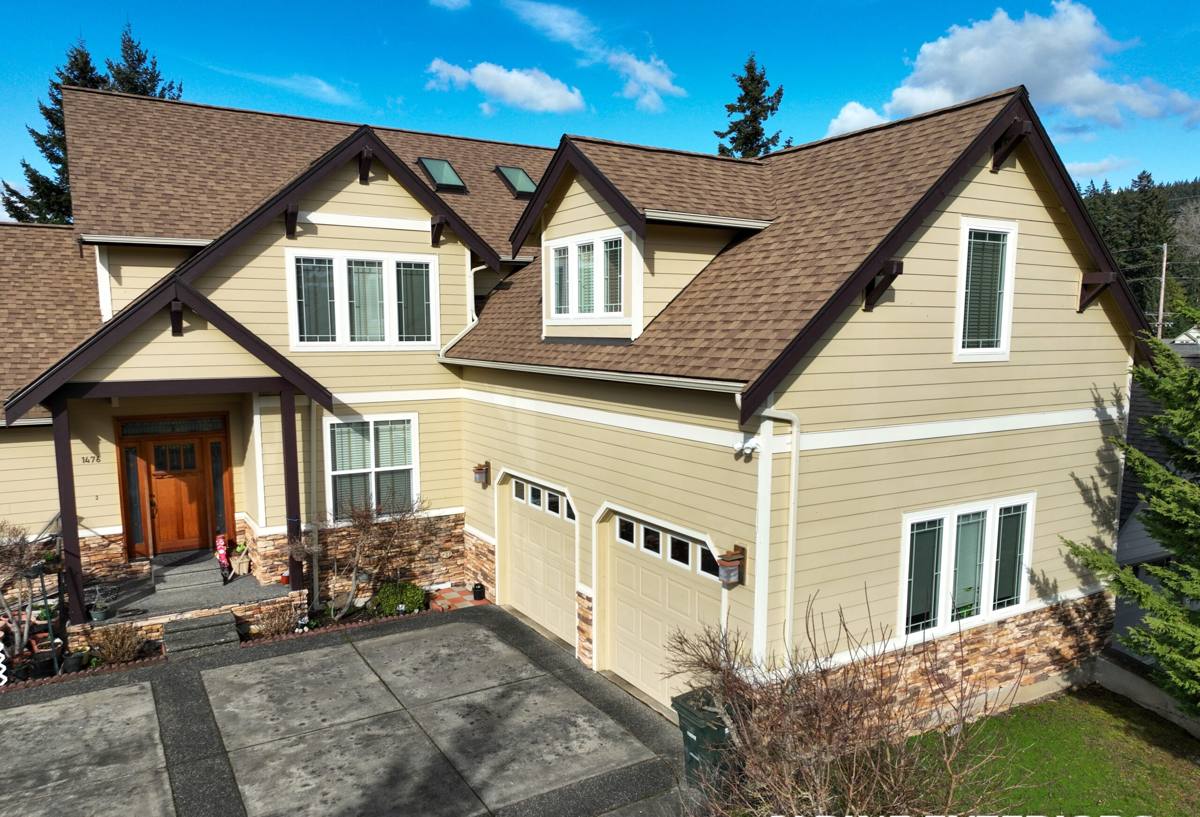
What Bellingham's Weather Does to a Deck Over Time
Three climate factors drive most of the repair calls we get from Silver Beach:
Salt Air
Airborne salt accelerates corrosion on fasteners, joist hangers, and any exposed metal hardware. Once a fastener starts rusting, it swells slightly, which can crack the wood fibers around it and create a path for water to get in. This is often invisible from a casual glance — the deck boards can look fine while the hardware underneath is quietly failing.
Driving Rain
Wind-driven rain doesn't just fall straight down — it gets pushed sideways under railings, into ledger board connections, and behind fascia trim. Water that gets trapped in these spots stays wet far longer than open, sun-exposed surfaces, which is exactly the condition that leads to rot.
Moss Season
A long, wet moss season means organic growth can establish itself on decking, stairs, and anywhere shade or poor drainage keeps a surface damp. Moss holds moisture directly against wood or composite decking, and it's slippery — a safety issue as much as a maintenance one. Left alone through multiple wet seasons, moss-covered boards degrade faster than boards that are kept clean.
None of these three factors is dramatic on its own. Together, over several Bellingham winters, they're what turns a normal maintenance item into a repair call.
Signs Your Silver Beach Deck Needs Repair
Most deck damage in this climate starts small and stays hidden until it's further along than the homeowner expected. Here's what we tell people to check for:
- Soft or spongy spots when you walk across the deck, especially near the house or at board ends
- Boards that have started to cup, crown, or separate at the seams
- Rust staining around screws or nail heads
- Railings or posts that flex more than they used to
- Persistent moss or algae in the same spots year after year, even after cleaning
- Gaps opening up where the deck meets the house (ledger board area)
- Stair stringers that feel less solid underfoot
- Visible daylight or gaps where flashing has pulled away
Any one of these on its own might be minor. Two or three together, especially near the ledger board or stairs, usually mean it's time for a closer look before the next wet season adds to the damage.
Common Repairs We Handle
Not every deck problem needs the same fix. Here's how we typically categorize what we find and how we approach it:
| Issue | Typical Cause | Our Approach |
|---|---|---|
| Rotted or soft decking boards | Trapped moisture, poor drainage, moss buildup | Remove and replace affected boards; check joists underneath before closing back up |
| Rusted fasteners and hangers | Salt air corrosion over years of exposure | Swap to corrosion-resistant hardware rated for coastal exposure |
| Ledger board separation | Wind-driven rain intrusion, missing or failed flashing | Re-flash the connection properly and re-secure to code |
| Loose or wobbly railings | Post rot at the base, corroded connectors | Sister or replace the post section, upgrade fasteners |
| Slippery, moss-covered surfaces | Shade, poor airflow, long wet season | Clean, treat, and address the drainage or airflow issue causing repeat growth |
| Sagging stairs | Stringer rot or undersized original framing | Reinforce or replace stringers, confirm proper support spacing |
The common thread in almost all of these is that the visible symptom (a soft board, a wobbly rail) is usually a sign of something underneath that needs attention too. Fixing the surface without checking what's below it is how the same repair ends up needed again in two years.
Repair vs. Replacement: How We Decide
Homeowners often assume any deck damage means a full rebuild. That's not usually the case. We look at three things: how much of the structure is affected, how old the deck is relative to its expected lifespan, and whether the framing underneath is still sound.
| Factor | Leans Toward Repair | Leans Toward Replacement |
|---|---|---|
| Extent of damage | Isolated boards, one section, one connection point | Widespread rot across multiple areas of framing |
| Deck age | Under 15-20 years, built to a reasonable standard | Original construction is old, undersized, or non-compliant with current code |
| Framing condition | Joists and beams test solid, only surface elements affected | Structural members are soft or compromised |
| Cost relative to new | Repair is a fraction of full replacement cost | Repair cost starts approaching a large share of rebuild cost |
We'll always tell you honestly which category your deck falls into. If a repair is genuinely the right call, that's what we'll recommend — we don't upsell a rebuild just because it's a bigger job.
Our Deck Repair Process
Deck repair only holds up if the diagnosis underneath is right. Here's how we work through it:
- Full inspection. We check decking, railings, stairs, ledger board attachment, and — critically — the framing and hardware underneath the visible surface, since that's where salt air and trapped moisture do the most damage.
- Identify root cause, not just symptoms. A soft board might be caused by a drainage problem, a flashing failure, or simple age. We fix the cause, not just the board.
- Written scope and honest estimate. You'll know exactly what's being replaced, what's being reinforced, and why, before any work starts.
- Repair using materials suited to this climate. Fasteners and hardware are chosen for corrosion resistance given the salt air exposure here, not generic hardware-store stock.
- Address drainage and airflow where relevant. If moss or trapped water caused the original damage, we address that condition so the repair doesn't just fail again the same way.
- Final walkthrough. We check the repair is solid, safe, and that railings and stairs meet a reasonable safety standard before we consider the job done.
Materials: What We Use and Why
Material choice matters more here than in a drier climate. A few honest notes on trade-offs:
Wood Decking
Pressure-treated lumber and cedar both hold up well when properly maintained, but "properly maintained" in this area means real attention — cleaning moss off regularly and re-sealing on a schedule, not a one-time treatment. Wood that's neglected through a few wet Bellingham winters is exactly what generates the repair calls we described above.
Composite Decking
Composite resists rot and doesn't need sealing, which is a genuine advantage against moss and moisture. The trade-off is that composite is more sensitive to correct installation — proper spacing, ventilation underneath, and manufacturer-specified fastening all matter more than with wood, and mistakes there show up as warping or staining down the line. We follow manufacturer installation specs closely for exactly this reason.
Fasteners and Hardware
This is where we deviate from generic hardware-store parts. Given the salt air exposure in this part of Bellingham, we use fasteners and structural connectors rated for coastal or corrosive environments. It costs a little more up front and pays for itself by not needing to be redone in five years.
Maintenance That Extends a Repair's Life
A repair is only as good as what happens to the deck afterward. A short list we give every Silver Beach client:
- Clean moss and organic debris off the deck surface at least once or twice a year, more often in shaded areas
- Keep gutters and downspouts near the deck clear so water isn't dumping onto or near it
- Check railings and stair connections for looseness each fall, before the wet season sets in
- Re-seal wood decking on the schedule appropriate for the product used, not just "when it looks dry"
- Rinse salt residue off hardware and surfaces periodically if the deck faces open water or wind exposure
- Address any new soft spots or gaps immediately rather than waiting for the next dry season
None of this is complicated, but it's the difference between a repair that lasts fifteen years and one that needs redoing in three.
Why a Crew That Already Works Silver Beach Matters
Deck repair looks similar on paper everywhere, but the failure patterns in this neighborhood are shaped by conditions that are specific to it — the combination of salt exposure, storm-driven rain direction, and a moss season that runs longer than in drier parts of Whatcom County. A crew that repairs decks here regularly recognizes these patterns quickly: which connection points fail first, which materials actually hold up, and where drainage problems tend to originate on homes in this area.
That familiarity saves time during diagnosis and reduces the odds of a repair being done in a way that doesn't account for local conditions. It's the difference between a repair that addresses the actual cause of the damage and one that just patches what's visible.
Get an Honest Look at Your Deck
If your deck has soft spots, rust staining, wobbly railings, or persistent moss, it's worth having someone look at it before another Bellingham wet season adds to the damage. We offer free, no-pressure estimates — we'll tell you plainly whether you're looking at a repair or something bigger, and what it will actually take to fix it right. Use the form below to get started.