 Bellingham
 Roof Repair Built for Silver Beach's Marine Climate
Roofs in the Silver Beach area of Bellingham don't fail the way roofs fail in drier parts of the country. They rarely blow off in one dramatic storm. Instead, they wear down slowly — a little moss here, a soft spot in the underlayment there, a flashing seam that's been letting in a trickle of water for two winters before anyone notices a stain on the ceiling. Roof repair in this part of Whatcom County is a job for someone who understands that pattern, not just someone who can nail down a shingle.
We work on roofs in and around Silver Beach regularly, and the repairs we're called out for tend to follow the same handful of causes: moisture that never fully dries out, moss that's been left to grow, and small gaps that widen every time the wind drives rain sideways instead of straight down. None of that is exotic. It's just what Bellingham weather does to a roof over time, and it's why a repair here needs to address the cause, not just patch the symptom.
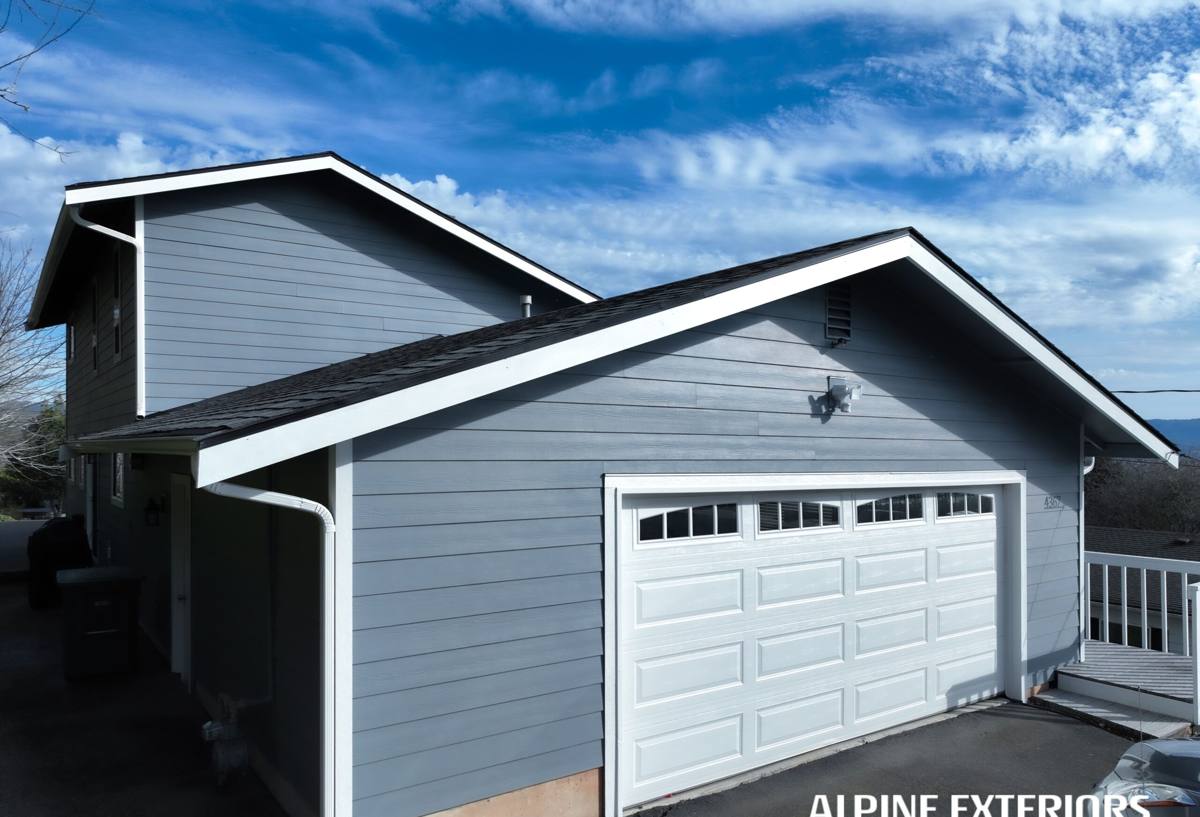
What Makes Roofs Struggle in This Part of Bellingham
Moss and Organic Growth
Whatcom County's mild, wet winters are close to perfect growing conditions for moss, and Silver Beach's tree cover doesn't help — shaded, north-facing roof sections stay damp far longer than sections that see regular sun. Moss isn't just a cosmetic problem. It holds water against the shingle surface, works its way under shingle edges as it grows, and gradually lifts and loosens the material it's rooted into. A roof that looks "just a little green" from the ground is often further along than it appears up close.
Wind-Driven Rain
Straight-down rain is easy on a roof — it sheds off and moves on. Wind-driven rain is a different problem. It gets pushed sideways and upward under shingle tabs, around vent boots, and into flashing laps that were never designed to handle water coming from that angle. Over enough storm seasons, this is what turns a small, hidden gap into an active leak.
Salt-Tinged Air
Bellingham's proximity to the water means the air carries a certain amount of salt, even inland from the immediate shoreline. That salt content accelerates corrosion on exposed metal — nail heads, flashing, gutter hardware, and vent stacks all corrode faster here than they would in a dry inland climate. A repair that reuses corroded fasteners or flashing is a repair that's already on borrowed time.
Signs Your Roof Needs Repair
Most roof problems give some warning before they become emergencies. Worth checking for, or asking a contractor to check for during an inspection:
- Moss or dark streaking concentrated on shaded or north-facing roof sections
- Granules collecting in gutters or at downspout outlets (a sign shingles are wearing thin)
- Curling, cupping, or lifted shingle edges, especially near ridges and valleys
- Water stains or discoloration on interior ceilings, particularly after a windy rainstorm
- Visible rust or corrosion on flashing, vent boots, or gutter hardware
- Daylight visible through the roof deck from inside an attic
- Soft or spongy spots when walking the roof, indicating trapped moisture beneath the surface
- Gutters that overflow or pull away from the fascia during heavy rain
Any one of these on its own might not mean much. Two or three together, especially in the same area of the roof, usually means it's worth a closer look before the next major storm.
The Most Common Repairs We Make in This Area
Flashing and Valley Leaks
Flashing — the metal used around chimneys, skylights, roof-to-wall junctions, and valleys — is where we find the most leaks. It's a small component doing a big job, and it's the first thing to fail when wind-driven rain finds a way in. Repair here usually means removing the surrounding shingles, replacing the flashing and any compromised underlayment, and re-sealing with materials rated for this climate, not just whatever's cheapest at the yard.
Moss-Damaged Shingles
When moss has been left to grow for a season or more, the shingles underneath are often softened, lifted, or granule-stripped. Repair involves careful moss removal (without further damaging the shingle mat), assessing how much of the surrounding material is still sound, and replacing sections that aren't. Treating the moss without addressing the shingle damage underneath is a half-measure that just delays the next call.
Gutter and Roof Edge Issues
Clogged or undersized gutters back water up under the lowest course of shingles, which is a slow, steady way to rot a roof edge and fascia board. We often address drainage as part of a roof repair, because fixing the shingle without fixing the water path just means the same damage comes back.
Ridge and Vent Repairs
Ridge caps and roof vents take direct wind exposure and are common points of granule loss and seal failure. These are usually straightforward repairs, but they're also easy to overlook if an inspection only looks at the more obvious flat sections of the roof.
What a Correct Roof Repair Actually Involves
A repair that holds up in this climate isn't just about matching a shingle color and nailing down what's loose. It means:
- Identifying the actual cause of the damage, not just the visible symptom
- Checking the underlayment and decking beneath the damaged area for hidden moisture or rot
- Using corrosion-resistant fasteners and flashing suited to a marine climate
- Matching shingle repairs so the patch blends with surrounding material and sheds water the same way the rest of the roof does
- Confirming that ventilation and drainage in the repaired area are working as intended, since trapped moisture is what causes most of these problems in the first place
Skip any of these steps and the repair looks fine for a season or two, then the same problem reappears — often worse, because the underlying moisture had more time to spread.
Our Process, Start to Finish
Inspection
We start on the roof itself, not just from the ground. That means checking flashing, valleys, vents, ridge lines, and the underside of the deck where accessible, so we're diagnosing the actual problem rather than guessing from a photo or a quick look with binoculars.
Written Estimate
You get a clear explanation of what's damaged, why, and what it will take to fix it correctly — including whether a repair is genuinely the right call or whether we think you're better served by a larger conversation about the roof's overall condition. We'd rather tell you a repair won't hold than sell you one that won't.
The Repair Itself
We remove and replace only what needs it, using materials suited to this climate's moisture and salt exposure, and we check surrounding areas while we're up there so a second problem doesn't get missed.
Cleanup and Walkthrough
We clear debris, remove old materials, and walk the finished work with you before we consider the job done.
Repair or Replace? What Actually Drives That Decision
Not every damaged roof needs a full replacement, and not every roof that "looks bad" from moss staining is actually failing structurally. The honest answer depends on a few specific factors:
| Factor | Favors Repair | Favors Replacement |
|---|---|---|
| Extent of damage | Localized to one section or component | Spread across multiple roof planes |
| Roof age | Well within expected service life | Near or past typical lifespan for the material |
| Decking condition | Solid, no soft spots or rot | Widespread soft decking or rot found |
| Shingle condition elsewhere | Rest of roof still has good granule coverage | Granule loss and brittleness widespread |
| History of leaks | First occurrence, clear single cause | Repeated leaks in different areas over time |
We'll tell you honestly which side of that table your roof falls on. A repair that's genuinely appropriate is the right answer far more often than not — but only if it's diagnosed correctly.
Why Local Experience on Silver Beach Roofs Matters
A roofer who works this specific stretch of Bellingham regularly already knows what a Silver Beach roof is up against before they climb the ladder — the tree cover that keeps certain sections shaded and damp, the wind exposure that varies from one side of a lot to another, and the general condition roofs of a given age tend to be in around here. That's not something a crew passing through the area for a one-off job picks up. It shows up in faster, more accurate diagnosis and in repairs that account for how this climate actually behaves, not a generic checklist. It also means we're accountable locally — this is our service area, and repairs that don't hold up are our problem to fix, not a phone number that stops answering after the invoice is paid.
If you've noticed moss, a stain on a ceiling, or granules building up in your gutters, it's worth having it looked at before the next round of Whatcom County winter storms. We offer free, no-pressure estimates on roof repair work in Silver Beach and the surrounding Bellingham area — fill out the form below and we'll take a look and give you a straight answer about what's going on and what it'll take to fix it.