 Bellingham
 Deck Repair Built for Sudden Valley's Setting
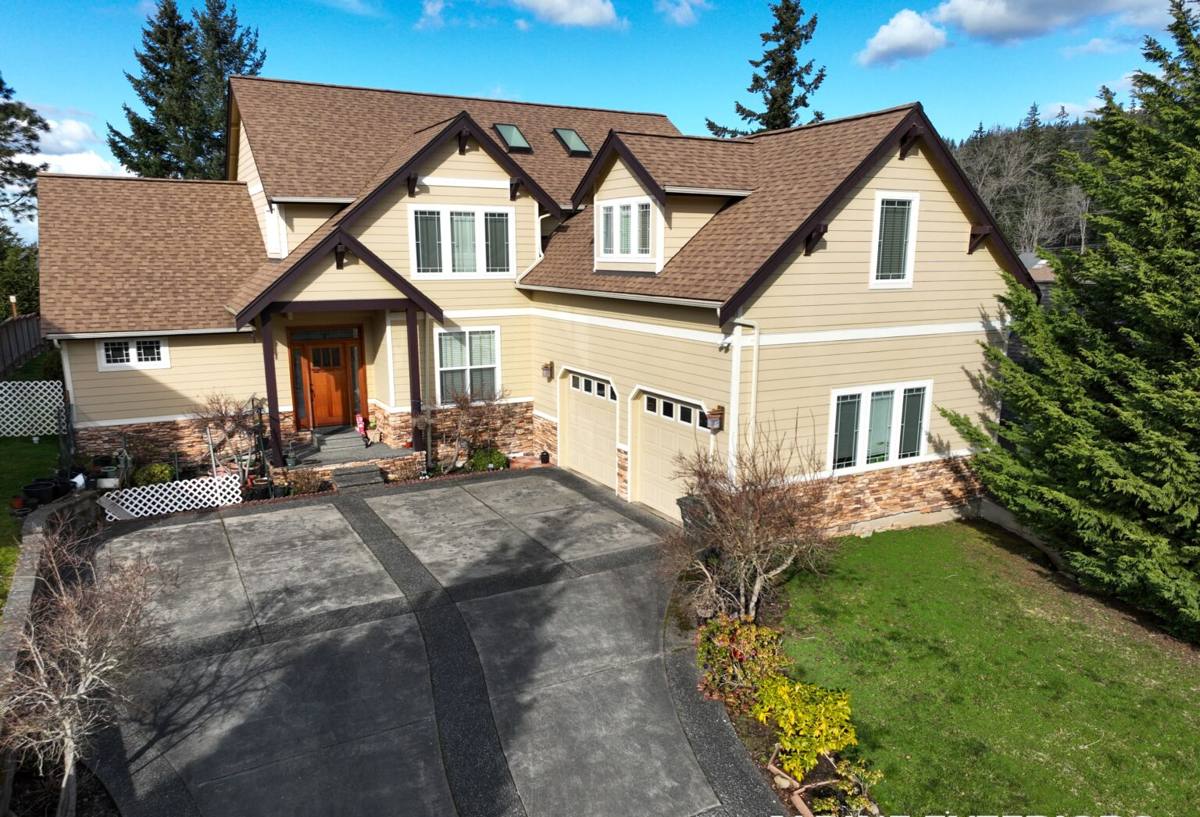
Sudden Valley sits in one of the shadiest, most heavily wooded pockets of the Bellingham area, tucked along Lake Whatcom under a thick tree canopy. That setting is part of why people love living there — and it's also exactly why decks in this community wear differently than decks out in open, sunny lots elsewhere in Whatcom County. Less direct sun means slower drying after every rain. More tree cover means more leaf litter, needles, and organic debris settling into deck boards and railings. And the lake's humidity, combined with our long Pacific Northwest wet season, keeps wood surfaces damp far longer than homeowners often realize.
Across the wider Whatcom County region, homes also deal with the marine-influenced air that comes off Bellingham Bay and the Salish Sea — a factor that shows up in fastener corrosion and finish breakdown on exterior structures countywide. In Sudden Valley specifically, the bigger day-to-day enemy is moisture that just doesn't leave: shaded decks that stay damp for days after a storm, and a moss season that can start earlier and last longer than it does on sites with more open sky. We repair a lot of decks in this neighborhood, and the damage pattern is consistent enough that we plan for it before we ever pull up a board.
How Shade and Moisture Actually Damage a Deck
It's rarely one dramatic event that takes a deck down — it's a slow chain reaction:
- Moss and algae take hold on boards that don't get enough sun or airflow to dry out between rains, and their root structures hold moisture directly against the wood surface.
- Trapped moisture works into fastener holes, board ends, and any place where two pieces of wood meet, which is where rot almost always starts first.
- Standing water and organic debris in the gaps between boards accelerates decay from the underside, where it's easy to miss during a casual look.
- Metal fasteners and hardware corrode faster in a persistently damp environment, weakening connections long before the wood itself looks obviously bad.
- Ledger boards and other structural connection points hidden against the house can rot from behind while the visible face still looks sound.
This is why a deck in a shaded, wooded lot can develop real structural issues years before a comparable deck in full sun — even with similar age and construction.
Signs a Sudden Valley Deck Needs Repair
Most homeowners call us for one of two reasons: something feels wrong underfoot, or something looks wrong on the surface. Both matter, and they don't always show up together. Use this checklist as a starting point before you decide whether you're looking at a repair or something bigger:
- Boards that feel spongy, springy, or soft when you walk across them
- Visible moss, black staining, or algae buildup that keeps coming back after cleaning
- Gaps, cracks, or splintering along board edges, especially near fastener locations
- Railings or stair stringers that wiggle, flex, or feel less solid than they used to
- Rust streaks running down from screws, nails, or metal brackets
- A musty smell coming from underneath the deck or around the ledger board
- Visible gaps or separation where the deck meets the house
- Discoloration or soft spots concentrated in the shadiest, least-sunny sections
Any one of these on its own might just mean a section of decking needs attention. Several together, especially near the ledger or support posts, usually means it's worth a full inspection before we talk about scope.
What a Correct Deck Repair Actually Involves
Start With What's Underneath
A repair that only addresses the boards you can see isn't a real repair — it's a cosmetic patch. Before we replace a single board, we check the structure underneath it: joists, beams, posts, and the ledger connection to the house. In a shaded, moisture-heavy setting like Sudden Valley, that's where the damage usually started, even if it hasn't reached the surface yet.
Isolate the Actual Damage
Rot doesn't always stop where it looks like it stops. We probe surrounding wood to find the true boundary of soft or compromised material, rather than replacing only the obviously damaged section and leaving adjacent rot to keep spreading underneath the new work.
Match Materials and Fasteners Correctly
Mixing incompatible wood species, treatment levels, or fastener types is a common shortcut that causes early failure. We use fasteners and hardware rated for exterior, high-moisture use, and we match replacement material to what's already there — or recommend an upgrade if the original material was already a poor fit for a shaded, wet site.
Address the Cause, Not Just the Symptom
If a section keeps rotting because water pools there, or because nearby vegetation keeps it in permanent shade, we'll flag that. Sometimes the fix includes small drainage or spacing adjustments, not just new lumber, so the same repair doesn't need to happen again in three years.
Repair or Replace? What Actually Drives That Decision
Homeowners often assume any deck with rot needs full replacement. That's not usually true — but it depends on where the damage is and how far it's spread. Here's how we think through it:
| Factor | Usually Points to Repair | Usually Points to Replacement |
|---|---|---|
| Location of damage | Isolated boards, railings, or stairs | Ledger board, main beams, or multiple support posts |
| Extent of rot | Localized, clearly bounded | Widespread across the frame |
| Age of structure | Under 15-20 years, sound frame | Original frame near or past its service life |
| Code compliance | Meets current railing/attachment standards | Older connections don't meet current safety standards |
| Cost pattern | Repair cost is a fraction of replacement | Repairs are recurring and adding up over time |
We'll always tell you honestly which side of that line your deck falls on. If a repair is the right call, we won't upsell you into a full rebuild — and if the frame is genuinely compromised, we'll explain exactly why patching it wouldn't hold up.
Material Considerations for Repairs in a Shaded, Wet Setting
What you repair with matters as much as how it's installed, especially in a lot with limited sun exposure. A few honest trade-offs worth knowing:
- Pressure-treated lumber is the most common and budget-friendly repair material, but it still needs airflow and periodic maintenance to perform well in a shaded, damp environment — it isn't maintenance-free just because it's treated.
- Cedar has natural rot resistance and a look many homeowners prefer, but it's softer and requires more consistent upkeep in a site that stays damp longer than average.
- Composite decking resists rot and moss better than wood, which makes it a strong fit for heavily shaded lots — but it's a different repair process than wood, matching an existing composite board's color and profile years later can be difficult, and it still needs a sound, dry structural frame underneath it to perform as intended.
We won't push a full composite conversion on a repair job unless it genuinely makes sense for your situation — sometimes matching the existing material and improving drainage and airflow solves the underlying problem just as well.
Our Deck Repair Process
- On-site inspection. We walk the full deck, including underneath it, checking boards, framing, posts, and the ledger connection for both visible and hidden damage.
- Honest scope and estimate. You get a clear explanation of what's actually wrong, what needs to be fixed now, and what can reasonably wait — with pricing that reflects real material and labor, not guesswork.
- Removal of compromised material. We take out damaged boards, framing, or hardware down to sound wood, not just the parts that look bad from the top.
- Rebuild with matched, moisture-appropriate materials. Replacement lumber, fasteners, and connectors are selected for exterior, high-moisture performance, not just cost.
- Final check and cleanup. We confirm the repair is solid underfoot, railings and stairs are secure, and the site is left clean before we call the job done.
Maintenance That Keeps a Repair From Repeating
A good repair buys you years, but a shaded Sudden Valley lot will always work harder to undo it than a sunny one will. A short seasonal routine goes a long way:
- Sweep leaves and needles off the deck regularly during fall, when tree debris builds up fastest under the canopy
- Clean moss and algae off boards before it re-establishes, especially on sections that stay in shade most of the day
- Keep gaps between boards clear of debris so water can actually drain instead of pooling
- Check railings and stair connections once a year for looseness or corrosion
- Trim back overhanging vegetation where practical to improve airflow and sun exposure
Why It Matters to Hire a Crew That Already Works in Sudden Valley
Sudden Valley isn't a typical Bellingham subdivision — it's a private, gated community with its own access and layout considerations, and a tree-heavy, lake-adjacent microclimate that behaves differently than the rest of Whatcom County. A crew that's worked in the neighborhood before knows to expect shaded, slow-drying lots, understands the access logistics of a gated community, and has already seen how moss and moisture patterns show up on decks built into these specific conditions. That familiarity means less guesswork, fewer surprises once we open up a deck, and a repair plan that's realistic for the site rather than generic advice borrowed from a sunnier neighborhood.
If your deck in Sudden Valley is showing soft spots, persistent moss, loose railings, or just doesn't feel as solid as it used to, we're happy to come take an honest look. We'll tell you straight whether you're looking at a targeted repair or something more, with no pressure either way — reach out for a free estimate using the form below.