 Bellingham
 Sunnyland's Siding Problem Isn't Like Everywhere Else
Sunnyland is one of Bellingham's older, established neighborhoods, and that means a lot of the homes here are wearing their original siding — or a second generation of it — through decades of Whatcom County weather that doesn't let up. Salt-laden air off Bellingham Bay, driving rain that comes in sideways for months at a stretch, and a moss season that can run from October through May all work on exterior siding at the same time. Individually, none of those is unusual for the Pacific Northwest. Together, and applied to a house year after year, they're exactly the conditions that expose weak siding choices fastest.
This page is specifically about fiber cement siding for Sunnyland homes — what the climate actually demands, what a correct installation looks like, and why we install only James Hardie fiber cement rather than the wider field of siding products on the market.
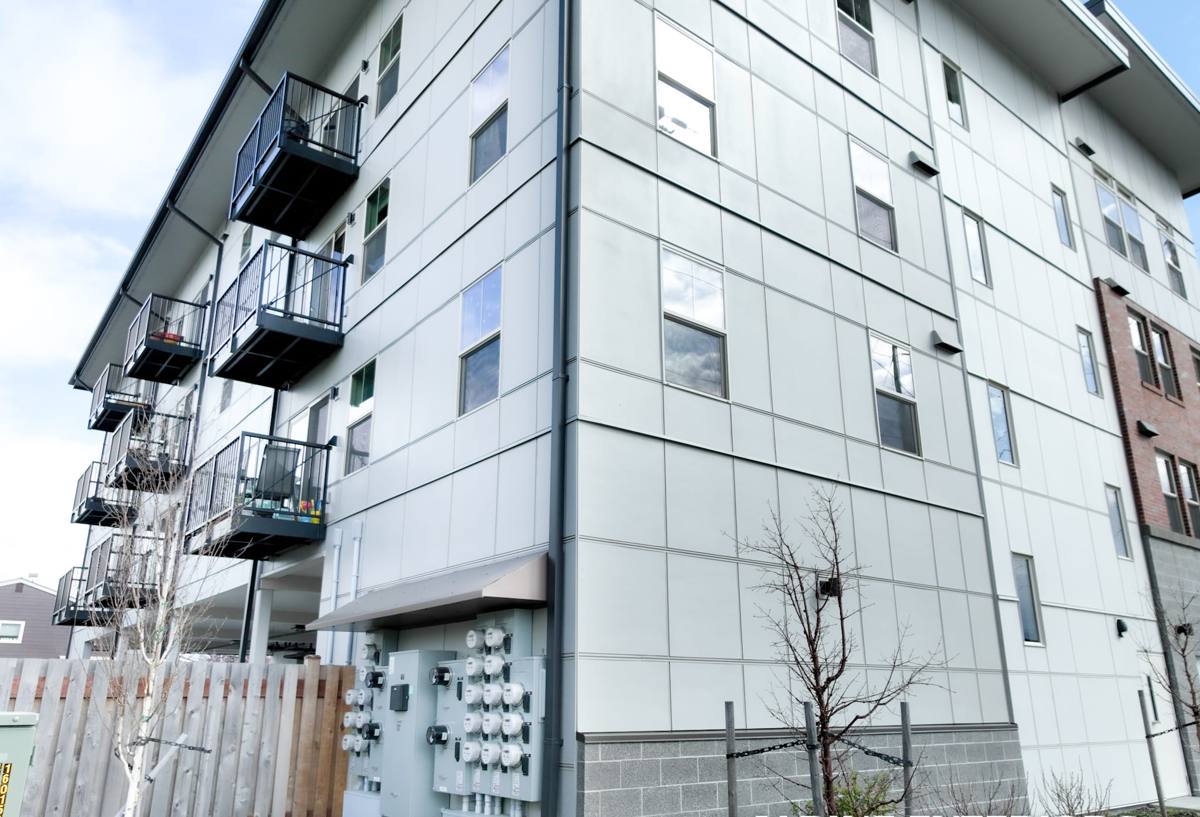
What Salt Air, Rain, and Moss Actually Do to Siding
Salt Air
Bellingham Bay is close enough that airborne salt is a real factor for Sunnyland homes, especially on west- and south-facing walls that catch prevailing weather. Salt accelerates corrosion of fasteners and metal trim, and it can degrade paint finishes faster than an inland location would see. Siding materials and coatings that aren't formulated for coastal exposure tend to chalk, fade, or break down at the surface years ahead of schedule.
Driving Rain
Bellingham gets a lot of rain, but the bigger issue for siding is wind-driven rain — water pushed horizontally into laps, seams, and butt joints rather than simply running down a wall. Any siding system with weak water-shedding details, poor lap coverage, or gaps at trim and penetrations will eventually let moisture behind the cladding. Once water gets behind siding in a wall assembly that doesn't dry out quickly, rot and mold follow.
Moss Season
Whatcom County's long wet, mild season is ideal for moss and algae growth on north-facing walls, shaded elevations, and anywhere tree cover limits sun and airflow — common conditions on Sunnyland's tree-lined lots. Moss holds moisture against a wall surface far longer than open air would, which is hard on any siding material's finish and, over time, its substrate.
Why We Install Only James Hardie Fiber Cement
We don't install vinyl, LP SmartSide, other fiber cement brands, or bare wood siding, and we're upfront about why. Each of those products can be installed correctly and can perform reasonably well in the right conditions. But for a marine climate like Bellingham's, we've standardized on James Hardie fiber cement because it consistently holds up to the specific combination of moisture, salt exposure, and biological growth this region produces, and because its factory finish and warranty structure give homeowners a straightforward, long-term answer instead of a maintenance project.
| Factor | James Hardie Fiber Cement | Vinyl | Engineered Wood (LP SmartSide) | Bare Cedar / Wood |
|---|---|---|---|---|
| Moisture resistance | Non-combustible cement composite; engineered for wet climates | Won't rot, but can warp and gap at seams under heat/cold cycling | Wood-fiber core is moisture-sensitive if coating is breached | Absorbs water directly; prone to rot without diligent upkeep |
| Salt air exposure | Composite substrate doesn't corrode; factory finish holds up well | Generally stable but can fade and become brittle over time | Coating failure exposes wood fiber to salt-laden moisture | No inherent salt resistance; finish breaks down faster near the bay |
| Moss/algae growth | Dense, low-porosity surface resists staining; cleans up well | Can host mildew in seams and J-channels | Textured surface can trap moisture and organic growth | Porous surface is very hospitable to moss and mildew |
| Finish/color life | ColorPlus factory finish, engineered for UV and weather | Color is baked into the material but can fade unevenly | Field-applied or factory paint requires recoating over time | Requires regular staining or painting to hold color |
| Fire resistance | Non-combustible | Combustible | Combustible | Combustible |
Hardie's climate-engineered HZ product lines matter here. HZ5 is formulated for regions that see more freeze-thaw cycling and moisture exposure — the profile that fits Whatcom County better than a product engineered primarily for hot, dry climates. Combined with the factory-applied ColorPlus finish, the result is a siding system that's doing the right things for Bellingham weather before a single piece goes on the wall.
What a Correct Fiber Cement Installation Involves
Fiber cement is only as good as its installation. The material itself resists moisture and salt exposure well, but the details — flashing, clearances, fastening, and joint treatment — are what actually keep water out of the wall assembly over the long run. This is where a lot of siding jobs quietly go wrong.
- Correct clearances: Siding held off decks, patios, and grade per manufacturer spec, so splashback and standing water don't sit against the bottom edge.
- Rain-screen or drainage plane behind the siding: A gap or drainage layer that lets any moisture that does get behind the cladding drain and dry out, rather than sitting against the sheathing.
- Proper flashing at every penetration: Windows, doors, hose bibs, vents, and light fixtures all need flashing details that shed water outward, not just caulk covering a gap.
- Correct fastener type and placement: Corrosion-resistant fasteners driven per Hardie's nailing schedule — not just "close enough" — matter more in a salt-air environment than most homeowners realize.
- Proper lap and joint treatment: Butt joints backed and sealed correctly, laps set to the manufacturer's minimum overlap, so wind-driven rain can't work its way in sideways.
- Factory-cut edges sealed where field-cut: Any cut edge exposed on site gets primed or sealed so it performs like the factory edge.
Skipping any one of these doesn't usually show up right away. It shows up in three to five years as staining, soft trim, or paint failure at specific spots on the wall — almost always the places where a detail was rushed.
Our Process for Sunnyland Projects
Assessment
We start by walking the home and identifying the elevations under the most pressure — usually the sides facing prevailing wind and rain, and any shaded or tree-covered walls dealing with moss. We check for existing moisture damage at trim, corners, and penetrations before pricing anything, because hidden rot changes the scope of the job.
Prep and Tear-Off
Old siding comes off, and we inspect the sheathing and framing underneath. Any soft or water-damaged material gets addressed before new siding goes up — covering a compromised wall with new siding just hides the problem.
Weather Barrier and Drainage
We install a proper weather-resistive barrier and drainage plane so the wall assembly can manage incidental moisture the way it's supposed to, especially important given how much wind-driven rain this area sees.
Installation
HardiePlank, HardiePanel, or trim goes up to manufacturer spec — correct clearances, fastening, flashing, and joint treatment, as above.
Final Detailing and Walkthrough
Caulking, touch-up, and a final walkthrough so you understand what was done and what maintenance, if any, to expect going forward.
Living With Fiber Cement Siding in a Marine Climate
One of the practical advantages of James Hardie siding in Bellingham's climate is how little ongoing maintenance it asks for compared to wood or engineered wood products. It doesn't need repainting on a regular cycle, and its dense surface doesn't host moss and algae the way porous materials do. That said, "low maintenance" isn't "no maintenance," especially in Sunnyland's tree cover and moss season.
- Rinse shaded or moss-prone walls periodically with a garden hose or soft wash — avoid pressure washing directly into laps and seams.
- Keep gutters clear so overflow isn't running down the wall face during heavy rain.
- Trim back vegetation and tree limbs that keep a wall section shaded and damp longer than the rest of the house.
- Check caulking at trim and penetrations every couple of years and touch up as needed — caulk is a maintenance item even on a very durable siding system.
Signs Your Current Siding Is Already Struggling
Homeowners in Sunnyland often call us after noticing one or two of these signs, not realizing how far the underlying damage may have progressed:
- Paint that's peeling, bubbling, or chalking heavily, especially on rain- and salt-exposed elevations
- Soft or spongy spots when you press on the siding near the bottom edge or around trim
- Persistent moss or dark staining that comes right back after cleaning
- Visible gaps, warping, or buckling at seams and butt joints
- Rising energy bills that suggest air and moisture are getting through the wall assembly
Any of these is worth a look before it becomes a larger repair. Moisture problems behind siding tend to get more expensive the longer they sit, not less.
Why Local Experience in This Neighborhood Matters
Sunnyland's mix of home ages, lot conditions, and tree cover means every project has its own combination of sun exposure, wind exposure, and moisture risk. A crew that already works in Bellingham neighborhoods like this one knows to check the shaded, moss-prone elevations as carefully as the street-facing ones, understands how Whatcom County's rain patterns behave against a wall over a full year, and isn't guessing at how James Hardie's HZ5 line performs locally — because we've already put it on homes dealing with the same weather yours does.
If you're weighing a siding replacement or repair in Sunnyland, we're happy to take a look and give you a straightforward, no-pressure estimate — what we'd recommend, what it would involve, and why. There's a form below to get that conversation started.