 Bellingham
 Window Replacement for Lynden Homes
Lynden sits inland in the Nooksack River valley, a little removed from the direct salt air that hammers waterfront Bellingham neighborhoods, but that doesn't mean the windows here have it easy. Valley fog sits longer in the low ground near the river, temperature swings between the cold snaps that roll down from Canada and the humid stretches of summer put real stress on seals and frames, and the same long, wet moss season that coats roofs and siding across Whatcom County works on window trim and sills too. Add driving rain off the water and the wind that funnels through the valley, and old or poorly installed windows in Lynden tend to fail in the same predictable spots: bottom corners, sills, and anywhere flashing was skipped or done wrong the first time.
We install and replace windows for homeowners throughout Lynden and the surrounding Whatcom County farm and residential areas, and this page covers what actually matters for a window job that holds up here — not a generic rundown that could apply anywhere.
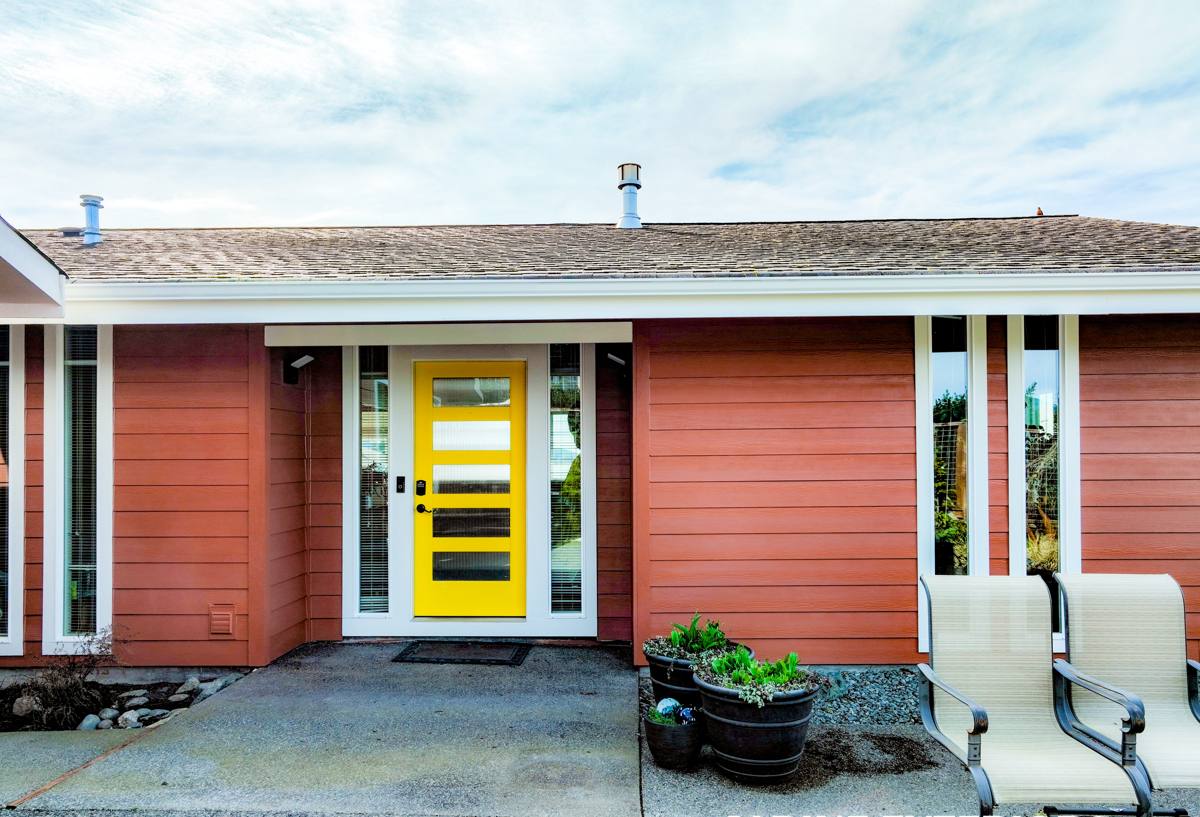
Signs a Lynden Home Needs Window Replacement
Most homeowners call us after noticing one or two of these, not because they were shopping for new windows. Worth checking your own before winter:
- Fogging or a hazy film between the panes of double-pane glass — the seal has failed and the gas fill is gone
- Soft or discolored wood at the sill or bottom corners of the frame, especially on north- and west-facing walls that catch the most driving rain
- Visible gaps, drafts, or a window that won't latch tight anymore
- Condensation forming on the inside of the glass regularly, even when it isn't unusually cold
- Paint that keeps failing on the exterior trim no matter how often it's redone
- Rooms near old windows that feel noticeably colder or draftier than the rest of the house
- Visible moss or algae staining building up on sills and trim, a sign moisture is sitting there long enough to support growth
Any one of these on its own might just mean a repair. Several together, especially on a home with its original windows from decades back, usually means replacement is the more honest answer than patching.
Why Old Frames Fail Here Specifically
Wood and vinyl frames both age differently in a wet Pacific Northwest climate than they do in a dry one. Wood frames that aren't properly primed and sealed on all six sides will take on moisture from the inside out — the failure often starts at the sill, hidden under paint, long before it's visible from outside. Vinyl frames don't rot, but cheap vinyl can warp under repeated wet-cold-dry cycles, and low-quality seals lose their flex faster in our climate than manufacturers' brochures usually admit. The moss season matters more than people expect: constant damp shade around window trim keeps wood wetter longer than a sunnier, drier region would, which is part of why we see rot on shaded elevations well before south-facing ones.
What a Correct Window Replacement Job Involves
Window replacement is not just popping out an old sash and dropping in a new one. Done right, in this climate, the job includes:
- Removing the old window fully and inspecting the rough opening — sheathing, framing, and sill for hidden rot or water damage before anything new goes in
- Repairing any damaged framing or sheathing found underneath, not covering it up
- Correct flashing integration with the existing weather-resistive barrier — flashing tape and pan flashing at the sill so water that gets past the window sheds back out, not into the wall cavity
- Proper shimming and leveling so the window operates smoothly and the reveal is even, which also keeps weight distributed correctly on the frame long-term
- Insulating the gap between the window unit and the rough opening with low-expansion foam or backer rod, not stuffed fiberglass that leaves voids
- Exterior and interior sealant at the right points — sealed on the outside for weather, but with a gap left at the bottom of the exterior sealant line so any water that does get in can still drain out
- Trim and finish work that matches the home and is itself sealed and primed on all cut edges
Skipping the flashing and drainage details is the single most common shortcut we find when we open up a wall behind someone else's "quick" window swap. It looks fine for a year or two, then the rot shows up exactly where the water was quietly getting trapped.
Window Types and Materials
There's no single "best" window for every Lynden home — it depends on the house, the elevation, and what you're trying to solve. Here's how the common options actually compare for our climate:
| Material | Moisture Behavior | Maintenance | Typical Lifespan |
|---|---|---|---|
| Vinyl | Won't rot; performance depends heavily on seal and frame quality | Low — occasional cleaning | 20–30 years with quality product and install |
| Fiberglass | Very stable, minimal expansion/contraction with temperature swings | Low | 30+ years |
| Wood (clad exterior) | Good if the cladding stays intact; vulnerable if the exterior shell is breached | Moderate — interior finish upkeep | 20–30+ years with maintenance |
| All-wood, painted | Most vulnerable to our wet season if paint film isn't maintained | High — repainting and sealing on a cycle | Varies widely with upkeep |
| Aluminum | Conducts cold and can condense heavily; less common in new residential installs here | Low | 20+ years, but comfort tradeoffs |
For most Lynden homes we recommend vinyl or fiberglass for a straightforward, low-maintenance replacement, and wood-clad units where the homeowner wants a specific interior wood look and is willing to keep up with it. We steer people away from all-wood exterior profiles in most cases here — not because wood windows are bad, but because maintaining bare or painted wood exteriors against this much annual rainfall is a real, ongoing commitment, and we'd rather set that expectation honestly upfront than sell a product that needs more upkeep than most homeowners want to sign up for.
Glass Package Matters Too
Double-pane, low-E glass with argon fill is the standard baseline we install; it's the right call for the vast majority of Lynden homes. Triple-pane adds cost and weight and is worth discussing for north-facing rooms, additions with a lot of glass, or homes right along the more exposed, wind-driven parts of the valley — but it isn't necessary everywhere, and we'll tell you when it isn't rather than upselling it by default.
Our Process
We keep the process straightforward because homeowners are usually living in the house the whole time we're working:
- Walkthrough and assessment — we look at every window being discussed, check framing where accessible, and talk through what's actually needed versus what's cosmetic
- Written estimate — clear line items, no vague allowances
- Scheduling around weather — we plan installs for dry windows where possible; a window opening shouldn't sit exposed to a Whatcom County downpour longer than necessary
- One room or opening at a time — we don't leave multiple openings open to the weather simultaneously unless the schedule and forecast genuinely support it
- Daily cleanup — job site left tidy, no old windows or debris left sitting around
- Final walkthrough — every window operated, checked for square, level, and proper seal before we call it done
What Affects the Cost
We give exact numbers during the in-person estimate, not on a page like this, because the variables genuinely change the price. In general terms, the factors that move cost are:
| Factor | Why It Matters |
|---|---|
| Window count and size | Larger openings and more units mean more material and labor |
| Material and glass package | Vinyl vs. fiberglass vs. clad wood, and double- vs. triple-pane, all shift unit cost |
| Condition of the rough opening | Hidden rot or framing damage found during removal adds repair scope |
| Access and height | Second-story or hard-to-reach windows take more time and equipment |
| Trim and finish work | Matching existing exterior trim profiles or repainting/re-siding around new units adds labor |
| Egress or code requirements | Bedroom windows may need to meet specific egress sizing, which can limit options |
A home with a few sound openings and a straightforward vinyl replacement is a very different project than one where several sills have hidden rot — which is exactly why the walkthrough happens before the number does.
Why Local Experience in Lynden Matters
Window installation isn't just a product — it's how that product gets integrated into your specific wall assembly, in your specific climate. A crew that works across Whatcom County regularly knows which elevations tend to have hidden sill damage before opening the wall, understands how the valley's fog and moss season affect trim over time, and isn't guessing at flashing details from a manual written for a drier region. We're not a national outfit passing through — we work in this area and expect to be back if something needs a look. That accountability shapes how carefully the job gets done the first time.
A Few Things Worth Doing Before You Call
If you're trying to decide whether it's time, a short checklist that's easy to run yourself:
- Hold a lit match or lighter near the window frame on a windy day — visible flicker means a real draft
- Check for soft spots at the bottom corners and sill with light pressure from a screwdriver handle, not the blade
- Look for moisture or fogging between panes in direct sunlight, when it's easiest to spot
- Note which rooms feel noticeably colder — it often points to which windows to prioritize first
- Check exterior caulking and trim paint for cracking or gaps
If any of that turns up something concerning, it's worth having someone look before it becomes a bigger repair behind the wall.
If you're weighing whether to repair or replace, or just want an honest read on what your current windows will and won't hold up against another Whatcom County winter, we're glad to come take a look. Estimates are free and there's no pressure — the form below is the easiest way to get one scheduled.