 Bellingham
 Siding That Has to Work in York's Climate, Not Just Look Good
Homes in the York neighborhood sit inside one of the more demanding exterior climates in the Lower 48 — not because of extreme heat or cold, but because of what Whatcom County throws at a house day after day, year after year. Marine air off Bellingham Bay carries salt. Storms roll in off the Pacific with sideways, wind-driven rain rather than gentle vertical rainfall. And for a good stretch of the year, shaded, damp conditions turn north-facing walls and anything under tree cover into a moss and algae incubator. Siding here isn't just a cosmetic choice — it's a weather system for the house, and it either holds up to that combination or it slowly fails.
We install and repair siding on homes throughout York and the surrounding Bellingham neighborhoods, and we see the same failure patterns over and over on the wrong materials: swelling at butt joints, soft trim, green-black staining that keeps coming back no matter how often it's washed, and paint that won't hold. This page is about what actually works here, what a correct fiber cement installation looks like, and why the details matter more in this climate than almost anywhere else in the state.
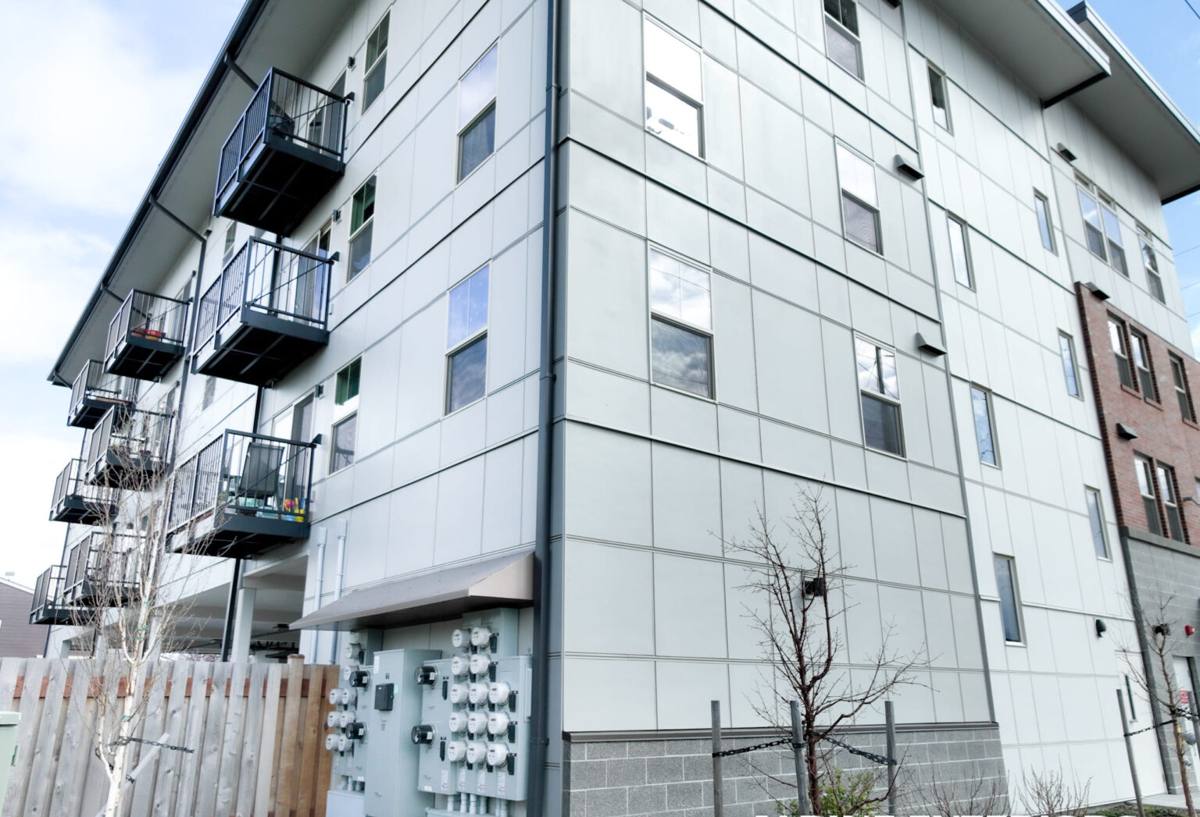
What This Climate Actually Does to Siding
Salt Air and Constant Moisture
Proximity to Puget Sound and Bellingham Bay means airborne salt is a real factor, not a theoretical one. Salt-laden moisture accelerates corrosion on fasteners and metal trim, and it keeps painted and wood-based surfaces damp longer than they'd stay in a drier inland climate. Materials that rely on a factory paint film to keep water out are under more stress here than the same product would face fifty miles inland.
Driving Rain, Not Just Rain
Whatcom County storms frequently bring rain on a strong horizontal wind, which pushes water into places vertical rain never reaches — up under laps, into unsealed joints, behind trim that isn't properly flashed. A siding system that's only designed to shed water straight down will eventually let moisture in during a real Pacific Northwest windstorm. Correct lap coverage, flashing, and joint treatment matter more here than in calmer climates.
A Long Moss and Algae Season
Bellingham's mild, wet winters and cool, damp shoulder seasons give moss, algae, and mildew a long window to establish themselves on any surface that stays damp — especially shaded walls, north exposures, and areas under overhangs or tree canopy. Once organic growth gets a foothold in a porous or damaged surface, it's a recurring maintenance problem rather than a one-time cleaning.
Why We Only Install James Hardie Fiber Cement Here
We've made a deliberate decision to install James Hardie fiber cement siding exclusively — not vinyl, not LP SmartSide, not cedar or primed spruce. In a climate like York's, the material matters as much as the installation. Fiber cement is non-combustible, dimensionally stable in wet-dry cycling, and doesn't feed mold or rot the way wood-based products can if moisture gets behind them. James Hardie's ColorPlus factory finish is also baked on and warranted, which matters in a salt-air environment where field-applied paint tends to break down faster.
| Factor | Fiber Cement (James Hardie) | Vinyl | Wood / Engineered Wood |
|---|---|---|---|
| Moisture resistance | Excellent — won't rot or swell | Good, but seams and edges can trap water | Poor to fair — vulnerable if coating fails |
| Performance in driving rain | Strong when laps and flashing are done correctly | Moderate — can flex and gap in wind | Weak once any water gets behind it |
| Moss / algae resistance | High, especially with factory finish | Moderate — surface can stay damp | Low — organic material feeds growth |
| Fire resistance | Non-combustible | Melts / combustible | Combustible |
| Typical repaint interval | 15 years or more with ColorPlus | Never repainted, but fades and becomes brittle | 5–8 years, sooner in this climate |
None of this means other materials can't be installed correctly elsewhere. It means that for the specific combination of salt air, driving rain, and moss pressure that York homes deal with, we don't think it's honest to sell something we don't believe will hold up as well over the long run.
What a Correct Installation Actually Involves
Water Management Behind the Cladding
Fiber cement siding is only as good as what's behind it. A correct install starts with a weather-resistive barrier, properly lapped and taped, with flashing integrated at every window, door, and horizontal trim transition so water is directed out and down rather than trapped. This is the step that matters most in a driving-rain climate and the step that's easiest for a rushed crew to shortcut.
Fastening, Clearances, and Gaps
James Hardie specifies fastener placement, minimum ground clearance, and gaps at butt joints, trim, and penetrations for a reason — get any of these wrong and you create a place for water to sit or wick into the board. We follow manufacturer installation specs exactly because doing so is what keeps the warranty valid and keeps the wall assembly dry.
Caulking and Trim Details
In a salt-air, high-rain environment, the quality of caulking and trim work at joints, corners, and penetrations has an outsized effect on long-term performance. We use products and methods suited to this climate rather than whatever's cheapest, and we don't caulk over gaps that should have been flashed instead.
James Hardie Product Lines Suited to This Region
James Hardie engineers its products by climate zone, and Western Washington falls into the cooler, wetter zone the company designs its HZ5 product line around — meaning the board formulation and finish are built for a climate that looks a lot like Bellingham's, not for a hot, dry region where the failure modes are completely different. For York homes we typically work with:
- HardiePlank lap siding — the standard horizontal siding for most homes, available in several plank widths and textures
- HardieShingle — for homes with shingle-style accents or full shingle facades
- HardieTrim — matched trim boards for corners, fascia, and window/door surrounds
- HardiePanel — vertical panel siding for accent walls or specific architectural styles
All of these are available with ColorPlus factory finish, which bakes color into the board at the factory with a stronger, more UV- and moisture-resistant finish than field-applied paint, backed by its own finish warranty separate from the product warranty.
Our Process for York Projects
Every home is different, but the sequence for a fiber cement siding project on a York home generally looks like this:
- On-site assessment — we walk the exterior, check for existing moisture damage, evaluate exposure to wind, shade, and drainage patterns specific to the lot
- Written estimate — clear scope, product selection, and pricing before any work starts
- Removal of old siding and inspection of sheathing — any rot or damage found underneath is addressed before new siding goes on, not covered up
- Weather-resistive barrier and flashing installation
- Fiber cement installation to manufacturer spec, including trim and caulking
- Final walkthrough so you know exactly what was done and how to maintain it
We don't skip the removal-and-inspection step, even when it adds time. Installing new siding over a wet or damaged wall in this climate just locks the problem in behind a new surface.
Maintaining Fiber Cement Siding in a Wet Climate
Fiber cement is low-maintenance compared to wood or vinyl, but "low-maintenance" isn't "no-maintenance" in a climate this wet. A little routine attention goes a long way:
- Rinse siding with a garden hose once or twice a year, focusing on shaded and north-facing walls where moss and algae take hold first
- Keep gutters clear so overflow doesn't run down the siding face during heavy storms
- Trim back shrubs and tree branches that keep sections of wall shaded and damp
- Re-caulk joints and penetrations if you notice cracking or gaps forming over time
- Have any impact damage or cracked boards repaired promptly rather than left exposed
Why Local Installation Experience Matters
A siding system that's engineered correctly on paper can still fail if it's installed by a crew unfamiliar with how this specific climate behaves — how far up a wall driving rain can push water, which exposures in a neighborhood like York tend to grow moss fastest, or how much clearance really matters at grade given our rainfall totals. We work on homes across Bellingham and Whatcom County regularly, which means the details that matter here — flashing, clearances, joint treatment — aren't guesswork on our jobs. They're standard practice because we've seen what happens when they're skipped.
If you're weighing a siding replacement or repair for your York home, we're happy to take a look and give you a straight assessment — what your current siding's condition actually is, what it would take to do the job right, and a free, no-pressure estimate with no obligation.