 Bellingham
 Windows Built for Lynden's Climate, Not Just Any Climate
Lynden sits out in the open Nooksack Valley, away from the shelter of Bellingham's hills, which means wind gets a longer run-up before it hits a house. Combine that with Whatcom County's marine-influenced weather — long wet stretches from fall through spring, occasional wind-driven storms, and a moss season that can stretch most of the year on shaded or north-facing walls — and windows here work harder than windows in drier parts of the state. A window that's merely "good" in a showroom can still leak, fog, or swell out of square within a few winters if it wasn't installed with this specific climate in mind.
This page covers what custom window installation and replacement actually looks like for homes in and around Lynden: what the local weather does to windows over time, what a correct installation involves, how to think about material and style choices, and what our process looks like from first estimate to final walkthrough.
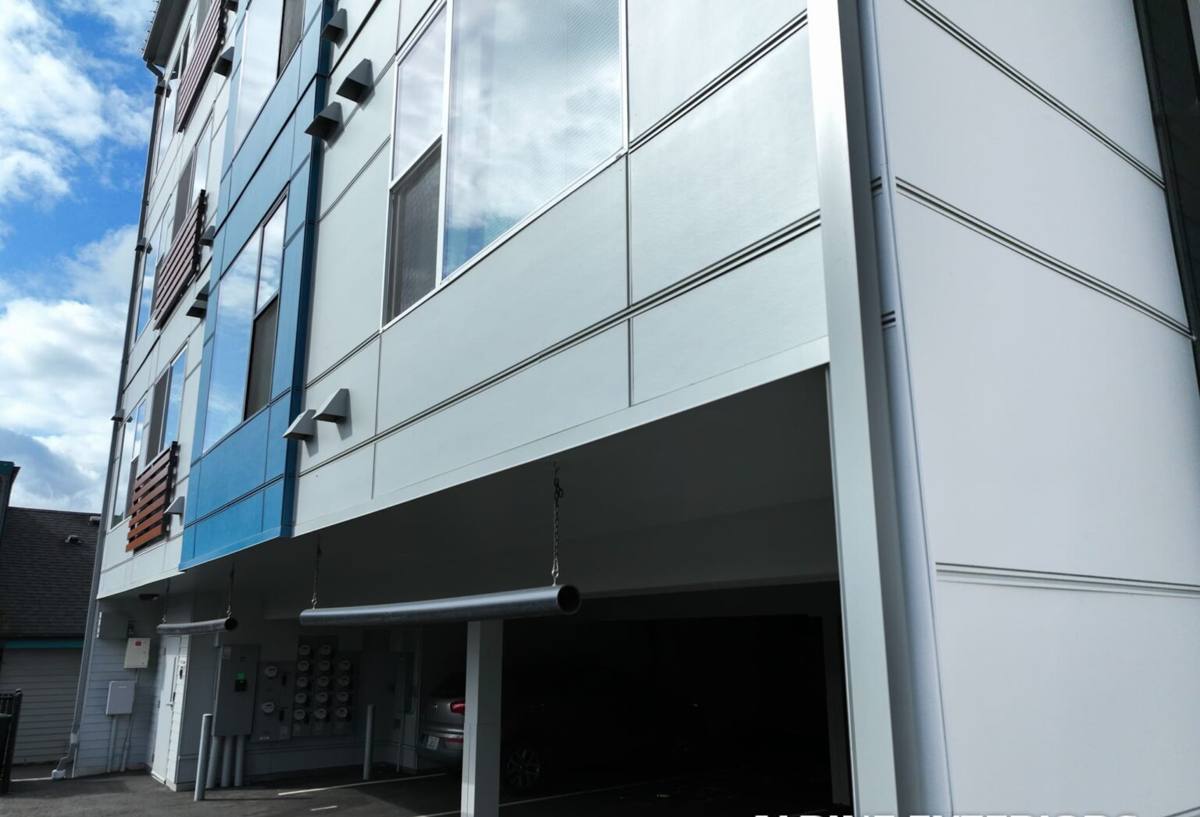
What Driving Rain and a Long Moss Season Do to Windows
Wind-Driven Rain and Water Intrusion
Straight-down rain is easy for any window to shed. The problem in this part of Whatcom County is rain that comes in sideways during a storm front, pushed by wind with nothing to slow it down across open farmland. That kind of rain finds every gap in old flashing, worn caulk, or a frame that was never properly sealed to the wall in the first place. Once water gets behind the trim, it doesn't show up as an obvious leak right away — it shows up months later as soft wood, bubbling paint, or a musty smell near the sill.
Moss, Mildew, and Slow Rot
Moss doesn't just grow on roofs. On the shaded side of a house, or under an overhang that never quite dries out, moss and algae will colonize wood trim, vinyl tracks, and even the corners of window frames. It holds moisture against the surface far longer than open air would, which accelerates rot in wood components and can stain or degrade caulking and weatherstripping. Homes near trees or with limited afternoon sun tend to see this the worst, and it's a slow, cumulative problem rather than a single storm event — which is exactly why it gets overlooked until a window is already failing.
Temperature Swings and Condensation
Whatcom County winters aren't extreme, but the combination of cool, damp outside air and warm, humid inside air (especially in kitchens and bathrooms) creates steady condensation pressure on glass and frames. Older single-pane or poorly sealed double-pane windows will fog, drip, and eventually let that moisture migrate into the surrounding wall assembly.
What a Correct Window Installation Actually Involves
A window is only as good as the way it's tied into the wall around it. Most of the failures we get called out to fix aren't bad windows — they're windows that were installed without enough attention to the details that matter in a wet climate.
Flashing and Weatherproofing Sequence
Water management around a window has to work like shingles on a roof: each layer overlaps the one below it so water is always directed outward and down, never trapped behind the siding. That means correctly sequenced sill pans, flashing tape, and house wrap integration before the window ever goes in, not caulk applied around the outside as an afterthought.
Fit, Shim, and Air Seal
A window needs to be plumb, level, and square in the opening, shimmed correctly so it doesn't bind or sag over time, and then air-sealed with the right expanding foam or backer rod and sealant — not overfilled with foam, which can bow the frame and cause the sash to stick or fail to seal properly.
Interior and Exterior Trim
Trim isn't just cosmetic. It protects the transition between the window and the wall, and on the exterior it needs to be installed and caulked in a way that sheds water rather than collecting it in a horizontal joint. This is one of the spots we see moss and rot take hold first when it's done wrong.
Choosing the Right Window Material and Style for Lynden Homes
There's no single "best" window for every home — the right choice depends on the home's exposure, age, and how much upkeep the owner wants to do. Here's a general comparison of the main options we work with:
| Material | Moisture Performance | Maintenance | Typical Cost Position |
|---|---|---|---|
| Vinyl | Good — won't rot, handles damp climates well | Low | Most affordable |
| Fiberglass | Excellent — very stable in wet/dry cycles | Low | Mid to upper range |
| Wood-Clad | Good exterior protection, but sensitive if seals fail | Moderate to high | Upper range |
| Aluminum | Prone to condensation without thermal breaks | Low | Varies widely |
For most Lynden homes — especially older farmhouses and homes on open, wind-exposed lots — we lean toward vinyl or fiberglass for their resistance to swelling, rot, and the freeze-thaw-damp cycle this area sees every winter. Wood-clad windows can look excellent and are a reasonable choice on more sheltered walls, but they demand more consistent upkeep of the exterior seal, and we're honest with clients about that trade-off up front rather than after installation.
Glass Packages Worth Considering
Double-pane, low-E glass is the practical standard for this climate — it manages both heat loss and the condensation risk that comes with our damp winters. Triple-pane adds further insulation value and can help with sound, but the added cost only makes sense for homes with unusually high heating bills or facing a busy road; we'll walk through that math honestly rather than upsell it by default.
Signs Your Current Windows Need Attention
Because window failures in this climate develop slowly, a lot of homeowners live with early warning signs for years before calling anyone. Worth checking for:
- Soft, spongy, or discolored wood trim around the window frame
- Moss or dark green/black staining building up in the corners or on the sill
- Fogging or moisture trapped between glass panes (a sign the seal has failed)
- Drafts you can feel by hand along the frame edge on a windy day
- Windows that are hard to open, close, or lock — a sign the frame has shifted
- Peeling paint or bubbling on interior trim near the window, which usually points to moisture behind it
- Visible daylight or gaps between the frame and the siding from outside
None of these alone means you need full replacement — sometimes it's a resealing or flashing repair job. But left alone, most of these get worse, not better, especially heading into another wet season.
Our Process, Start to Finish
- On-site assessment. We look at each window's exposure, the condition of the existing flashing and trim, and how the home is oriented to wind and rain — not just the glass itself.
- Honest recommendation. We tell you plainly whether a window needs full replacement, a repair, or can be left alone, and explain the reasoning in plain terms.
- Written estimate. Material options, labor, and timeline laid out clearly before any work starts, with no pressure to decide on the spot.
- Proper removal and prep. Old windows come out carefully to protect the surrounding wall, and any rot or damaged sheathing underneath is dealt with before a new window goes in — not covered up.
- Correct install sequence. Sill pan, flashing, window, air sealing, and trim, in that order, sealed against wind-driven rain from the start.
- Final walkthrough. We test operation, check seals, and clean up the site before calling the job done.
Cost Factors Worth Understanding
Every quote depends on specifics, but a few things reliably move the price: the number and size of windows, whether it's a straightforward replacement in an existing opening versus a new or resized opening, the material and glass package chosen, and how much repair the surrounding wall or trim needs once the old window comes out. Homes that have had ongoing moisture problems sometimes reveal hidden rot once a window is removed — we always flag this as a possibility up front rather than surprise you with it mid-job, and we won't install a new window over a wall that isn't sound underneath it.
Why It Matters to Hire a Crew That Already Works in Lynden
Window installation done right depends on understanding how a specific home sits relative to wind, rain, and sun — and that's easier to get right when you've already worked on homes with the same exposure patterns nearby. We're familiar with the building styles common through Lynden and the wider Whatcom County area, from older farmhouses on open lots to newer construction, and we know which details — flashing sequence, trim material, drainage — matter most given how this area's weather actually behaves over a full year, not just on a dry install day. A crew that's only worked in drier climates can install a window correctly on paper and still miss the details that matter here.
Keeping New Windows Performing Over Time
Even a well-installed window benefits from basic upkeep in this climate. Rinsing off moss or algae buildup before it takes hold, keeping gutters and downspouts clear so water isn't sheeting down over window trim, and doing a quick visual check of exterior caulking each year go a long way toward avoiding the slow water damage that's common around here. We're happy to point out what to watch for on your specific home during the final walkthrough.
If your windows are showing any of the signs above, or you're planning a renovation and want windows chosen and installed correctly for Lynden's weather from the start, we're glad to take a look. Estimates are free, there's no pressure, and the form below is the easiest way to get started.