 Bellingham
 Why Birchwood Homes Need Siding Built for This Climate
Birchwood sits close enough to the water and to Whatcom County's tree cover that its homes take on a specific combination of punishment: salt-laden air moving in off Bellingham Bay, wind-driven rain that hits siding sideways instead of straight down, and long stretches of the year where shaded north and west walls simply never fully dry out. Add in the moss and algae season that runs from fall through spring, and you have a wall assembly that is wet, humid, or salty for a large share of the calendar year.
Siding in this neighborhood isn't just a cosmetic layer. It's the first and most-tested line of defense against moisture intrusion, and it needs to hold its finish, its shape, and its seal through decades of that cycle. A product that's fine in a dry inland climate can struggle here — swelling, delaminating, or growing moss in the shaded gaps between courses. That's the starting point for every recommendation on this page.
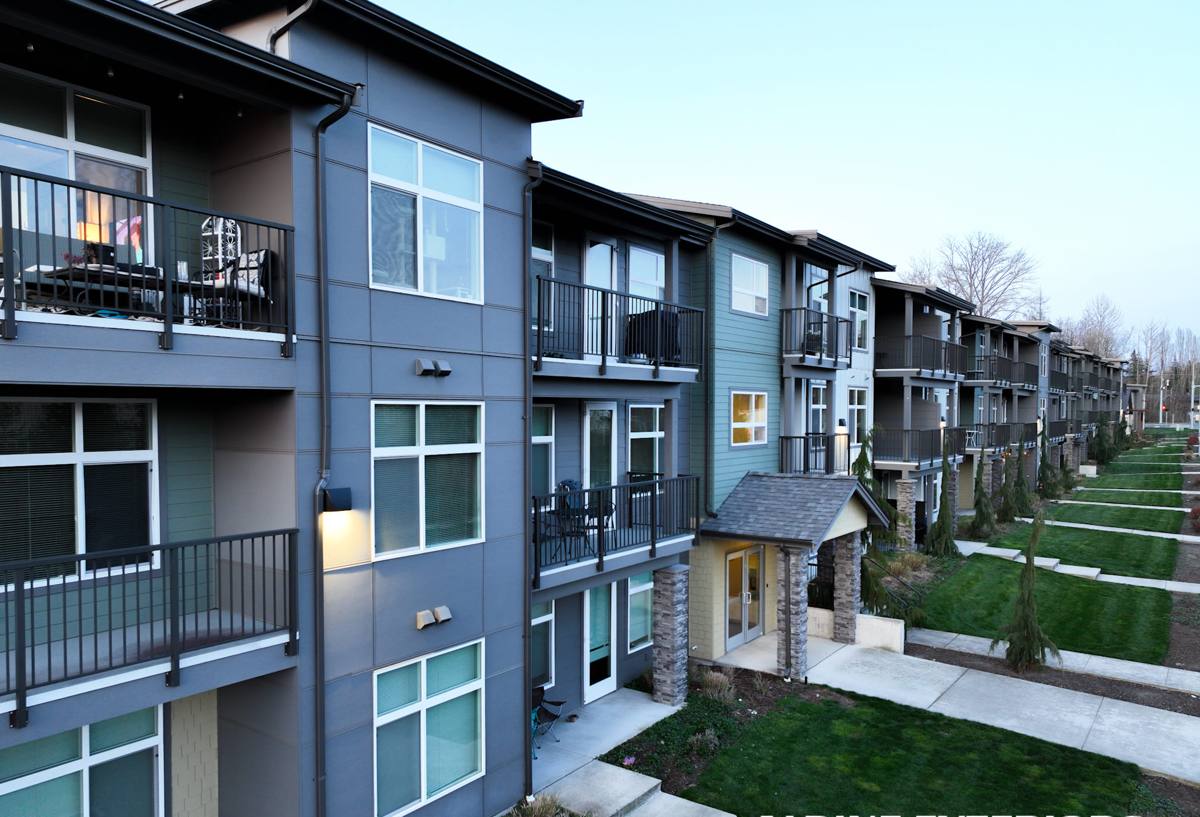
What "Correct" Fiber Cement Siding Actually Means Here
Fiber cement siding is only as good as the installation behind it. In a climate like Bellingham's, a handful of details separate a wall assembly that will last thirty-plus years from one that starts showing moisture problems in five.
The details that matter most locally
- Weather-resistive barrier and flashing sequence: Every window, door, and penetration needs to be flashed so water sheds down and out, never behind the siding plane.
- Rainscreen or proper drainage gap: Given how much driving rain and standing moisture Birchwood walls see, a drainage plane behind the siding lets bulk water and vapor escape instead of sitting against the sheathing.
- Correct fastener placement and spacing: Fiber cement panels expand and contract with moisture; fastening per the manufacturer's pattern (not "close enough") keeps panels flat and joints tight.
- Caulked and back-primed cut edges: Any field-cut edge is a raw entry point for moisture. Sealing cut ends is a five-minute step that's skipped constantly on rushed jobs — and it's usually the first place we see failure on older installs.
- Clearance from grade, decks, and roof lines: Siding that terminates too close to soil, concrete, or a roof plane wicks moisture continuously, which is exactly the kind of chronic dampness that invites moss and rot in a wet county like this one.
None of this is exotic. It's just disciplined, unglamorous work — done in the right order, every time, on every wall.
Why We Install Only James Hardie Fiber Cement
We standardized on James Hardie products for every siding job we do, including here in Birchwood, and we don't install vinyl, LP SmartSide, or other fiber cement brands. That's a deliberate professional standard, not a sales pitch, and it's worth explaining plainly.
James Hardie's HZ5 product line is engineered specifically for climates like ours — heavier moisture exposure, freeze-thaw swings, and the kind of sustained humidity that Whatcom County sees for much of the year. The fiber cement itself is non-combustible, doesn't feed pests, and holds its shape far better than wood-based or vinyl alternatives when it's wet for long stretches. The factory-applied ColorPlus finish is baked on under controlled conditions, which gives it more consistent color retention and better adhesion than field-applied paint — a real advantage when a wall spends half the year damp before it ever gets a chance to dry.
Hardie also backs its products with a strong transferable warranty, which matters to homeowners in this neighborhood who may sell within the ownership window. We're not saying every other product on the market is unusable — we're saying that after years of tear-offs and repairs, this is the system we trust enough to put our name behind, and it's the only one we install.
Our Installation Process, Step by Step
- On-site assessment: We walk the exterior, check the current siding and sheathing condition, and note problem areas — shaded walls, low clearance points, existing moisture staining.
- Tear-off and sheathing inspection: Old siding comes off and we inspect the sheathing underneath for rot or soft spots before anything new goes up. This is the step that catches hidden damage before it's sealed behind new siding.
- Weather barrier and drainage plane installation: A new weather-resistive barrier goes on, with a drainage gap where the wall assembly calls for it, so bulk water has somewhere to go.
- Flashing at every penetration: Windows, doors, vents, and any other penetration get flashed and sequenced correctly before siding starts.
- Hardie panel installation to spec: Panels go up with manufacturer-specified fastener spacing, clearances from grade and roof lines, and sealed cut edges.
- Trim, caulking, and final detail work: Corners, trim boards, and joints get finished and sealed so the whole assembly reads as one continuous, weathertight system.
- Final walkthrough: We go over the finished work with the homeowner before calling the job done.
Signs Your Current Siding Is Past Its Useful Life
Birchwood has a mix of home ages, and older siding — especially older wood, hardboard, or vinyl — tends to show its age in specific ways in this climate:
- Persistent moss or algae growth that comes back within weeks of cleaning
- Soft or spongy spots when you press on the siding, especially near the bottom courses
- Visible warping, buckling, or panels pulling away from the wall
- Paint that won't hold — peeling or bubbling within a year or two of repainting
- Gaps or cracked caulk lines around windows and trim
- A musty smell or interior moisture signs on an exterior wall
Any one of these on its own might be a spot repair. Several at once, especially on the shaded or weather-facing walls, usually means the underlying wall assembly is compromised and a full re-side is the more honest recommendation.
Cost Factors for a Birchwood Fiber Cement Project
Every home is different, but the variables that move the price are consistent. We give firm numbers only after walking the actual property — broad ranges below are for planning purposes.
| Factor | Why It Matters Here |
|---|---|
| Home size and wall complexity | More corners, dormers, and roof intersections mean more flashing and cut work |
| Existing siding removal | Tear-off scope and disposal, plus any sheathing repair found underneath |
| Siding profile and plank width | Lap width and texture (smooth vs. cedar-shake style) affect material cost |
| Trim and accent detail | Board-and-batten accents, window trim upgrades, and color-matched trim add labor |
| Wall exposure and moisture damage | Shaded, salt-exposed, or rain-facing walls with existing rot cost more to correct properly |
| Access and site conditions | Multi-story sections, tight lot lines, or landscaping that limits staging add time |
Maintaining Fiber Cement Siding in This Climate
James Hardie siding is low-maintenance compared to wood or vinyl, but "low-maintenance" doesn't mean "no maintenance" in a county with this much moisture and moss pressure. A simple annual routine keeps it performing for decades:
- Rinse the exterior once or twice a year to clear salt residue, pollen, and early moss growth before it takes hold
- Walk the perimeter each fall and check caulk lines around windows, doors, and trim for cracking or gaps
- Keep gutters clear so overflow doesn't run down the siding face repeatedly
- Trim back vegetation and tree cover that keeps a wall section shaded and damp longer than the rest of the house
- Check clearance points near decks, patios, and grade to make sure nothing has settled and closed the gap over time
Why a Crew That Already Works Birchwood Matters
Siding work in this neighborhood benefits from knowing the ground truth before the ladders go up — which walls in this micro-area tend to hold moisture longest, how local permitting and inspection typically runs in Whatcom County, and what wind and rain exposure actually looks like from one side of a block to the other. A crew that's already done work nearby isn't guessing at any of that. That local familiarity shows up in small decisions throughout the job — where to prioritize drainage detailing, which trim details need extra sealant attention, and how to sequence work around the wetter months so panels and caulk cure properly instead of getting rushed.
It also matters for accountability. A local, established crew has a reputation in the area to protect and is easy to reach if a warranty question comes up five or ten years down the road — not a name that only shows up for the sale.
Get a Straight Answer for Your Home
If your Birchwood home's siding is showing moss, soft spots, failing paint, or you're just planning ahead, we're glad to take a look and give you a straightforward assessment — what shape your current siding is really in, and what a correct James Hardie installation would involve for your specific walls. Reach out for a free, no-pressure estimate using the form below.