 Bellingham
 Deck Building for Columbia's Conditions
Columbia sits close enough to Bellingham Bay that salt-laden air is a real factor in how outdoor structures age, and it shares the rest of Whatcom County's long wet season — months of driving rain followed by a slow-drying spring where moss gets a foothold on anything that stays damp too long. A deck built here doesn't fail the way one does in a dry climate. It fails at the joints, the fasteners, and the places where water is allowed to sit instead of run off. Building correctly for Columbia means designing around moisture from the first stake in the ground, not treating it as an afterthought once the boards are down.
We've built and repaired decks throughout this part of Bellingham long enough to know which shortcuts show up as problems in year three instead of year fifteen. This page focuses specifically on deck building — new construction and full rebuilds — for homes in and around Columbia, not a generic overview of decks everywhere.
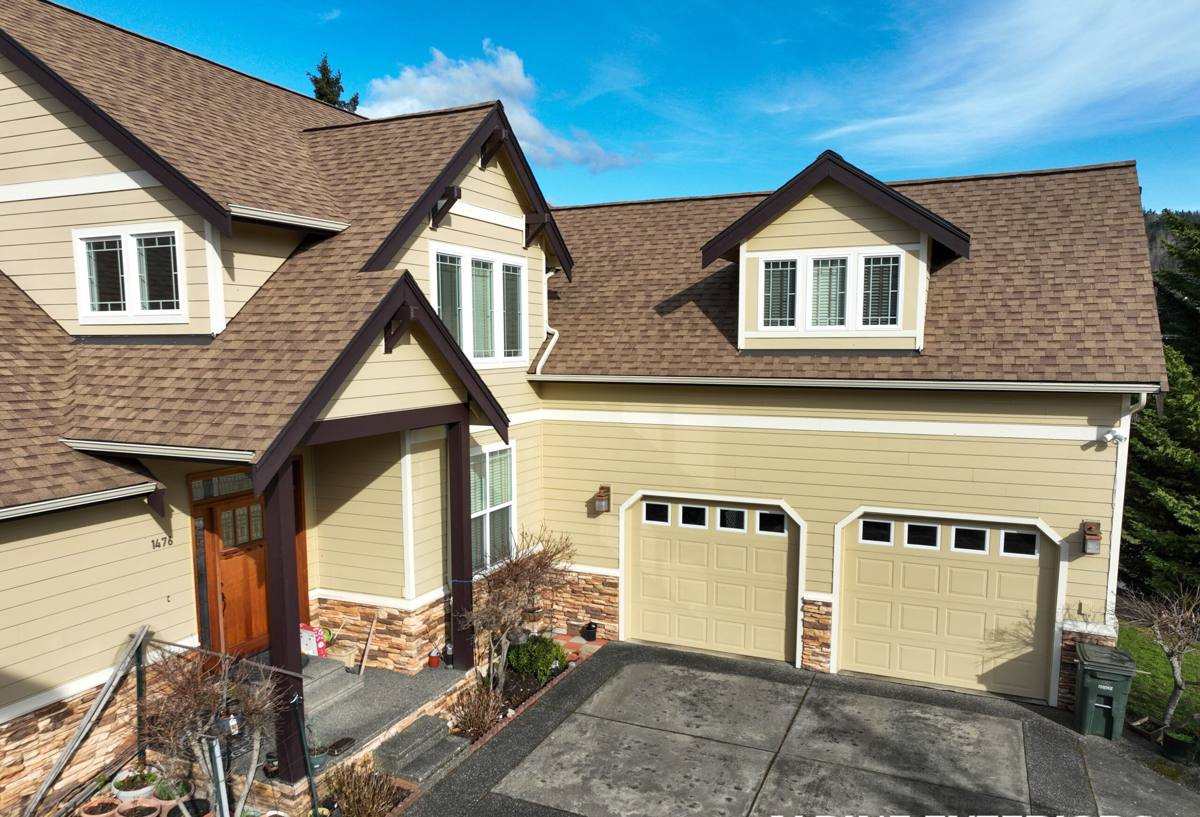
What Local Homes Actually Need From a Deck
Most deck problems we get called out to inspect in this area trace back to a handful of recurring issues, all tied to the climate rather than bad luck:
- Ledger boards attached to the house without proper flashing, letting water track behind the siding
- Fasteners and hardware that weren't rated for coastal exposure, rusting and staining the wood within a few seasons
- Deck boards installed tight together with no drainage gap, trapping moisture and organic debris
- Joists and beams with no ventilation underneath, creating a shaded, damp environment where rot and moss both thrive
- Footings set too shallow or without proper drainage, shifting as the ground saturates and freezes over winter
None of these are exotic problems. They're the predictable result of building a deck the same way you would in a drier region and hoping the wet season doesn't find the weak points. It always does.
Framing and Structure Built to Shed Water
Ledger Attachment and Flashing
Where the deck attaches to the house is the single most important detail on the whole project. We flash the ledger board properly — flashing that directs water out and away from the house structure rather than letting it wick behind the siding and into the wall assembly. This is the spot where a rushed installation causes hidden rot that isn't visible until siding or interior finishes are already damaged.
Joist and Beam Spacing
Framing members are sized and spaced to the load and span requirements for the decking material chosen, with enough clearance underneath for air to move. A deck framed too close to the ground, or built over poorly draining soil, stays damp for days after a storm — exactly the environment moss and wood rot need.
Footings
Footings go below frost depth and are set with drainage in mind so standing water isn't sitting against the post base all winter. In parts of Whatcom County with heavier clay soil, this detail matters more than most homeowners expect — poor footing drainage is a common cause of a deck that starts to feel loose or uneven after a few wet seasons.
Choosing Materials That Hold Up Here
There's no single "best" decking material — the right choice depends on budget, how much upkeep you're willing to do, and how close the deck sits to salt air and shade. Here's how the common options compare for this specific climate:
| Material | Upfront Cost | Maintenance Needed | Moisture & Moss Resistance |
|---|---|---|---|
| Pressure-treated fir/pine | Lowest | Regular sealing/staining, roughly every 1-2 years | Good if maintained; prone to moss if neglected |
| Cedar | Mid-range | Periodic sealing to hold color and resist checking | Naturally rot-resistant, but still organic — moss will grow on a shaded, unsealed surface |
| Composite decking | Highest | Occasional cleaning, no sealing or staining | Excellent — doesn't absorb water, but can still get slick with algae in shaded, low-airflow spots |
We install all three depending on what the homeowner wants. Composite costs more up front but removes the sealing and staining cycle entirely, which matters to people who don't want a yearly maintenance chore. Cedar and pressure-treated wood cost less initially but only perform well long-term if the maintenance actually happens — we're upfront about that trade-off rather than letting a client find out the hard way.
Fasteners and Hardware for Salt Air Exposure
Standard galvanized fasteners are not our default choice for decks in Columbia. Salt air accelerates corrosion on hardware that would otherwise last decades further inland, and rusting fasteners don't just look bad — they weaken the connection and stain the surrounding wood. We use stainless steel or heavy-duty coated fasteners and structural hardware rated for the exposure the deck will actually see, particularly on ledger connections, post bases, and any hardware near ground level where moisture sits longest.
Designing Against Moss Before It Starts
Moss doesn't show up because a deck is old — it shows up because a surface stays damp and shaded long enough for spores to establish. Design choices that reduce moss growth include:
- Proper board spacing so water drains through instead of pooling on the surface
- Orienting boards and planning shade/sun exposure where the layout allows it
- Keeping the framing ventilated underneath so the whole structure dries out between storms, not just the top surface
- Choosing a surface material and finish that doesn't hold moisture against the wood grain
No deck in this climate is moss-proof forever, but a well-designed one sheds water fast enough that moss stays a light seasonal cleaning task instead of a structural problem.
Permits and Local Requirements
Most new decks above a certain height or attached to the house require a permit through the City of Bellingham or Whatcom County, depending on exactly where the property sits. Setback requirements, guardrail height, and stair specifications are all part of what gets reviewed. We handle the permitting process as part of the project so homeowners in Columbia aren't stuck figuring out code requirements on their own — and so the finished deck is something that passes inspection and holds up when the house is eventually sold.
How We Approach a Deck Project
- On-site assessment — we look at drainage, sun/shade exposure, existing structure condition if this is a rebuild, and how the deck will tie into the house
- Material and design conversation — honest trade-offs on cost, maintenance, and lifespan so the choice fits your budget and how much upkeep you actually want to do
- Permitting — we pull what's required and build to the approved plan
- Framing and flashing — the structural work that determines whether the deck lasts, done before a single deck board goes down
- Decking installation and finish — proper spacing, fastening, and any sealing or finishing the material calls for
- Final walkthrough — we go over maintenance expectations specific to the material you chose, so there are no surprises the following wet season
Maintaining a Deck Through the Wet Season
Whatever material you choose, a little seasonal attention goes a long way in this climate. A basic yearly routine:
- Clear leaves, needles, and debris from between boards before fall rains set in — trapped organic matter is what feeds moss
- Sweep or rinse the surface periodically through winter rather than letting buildup sit for months
- Check that gaps between boards haven't closed up from swelling or debris packing
- Inspect fasteners and hardware yearly for early rust staining, especially near ground level
- Reseal or restain wood decking on the schedule appropriate to that material — don't wait until it's visibly graying
- Confirm downspouts and grading near the deck are still directing water away, not toward the footings
Why a Local Crew Matters for This Job
A deck built by a crew that doesn't regularly work in coastal Whatcom County can look identical to one built by a crew that does — until the second or third wet season. The difference shows up in the flashing detail behind the siding, the fastener spec that either rusts or doesn't, and the drainage plan that either sheds water or lets it sit. We work in Bellingham and the surrounding communities routinely, so these aren't judgment calls we're making for the first time on your project — they're standard practice because we've seen what happens when they're skipped.
If you're planning a new deck or need to replace one that hasn't held up to the local climate, we're glad to come take a look. We offer a free, no-pressure estimate — just fill out the form below and we'll set up a time to walk the site with you.