 Bellingham
 New Roofs Built for York's Weather, Not Just Any Weather
The York area sits close enough to the water and tree cover that its roofs take a different kind of beating than a roof three hours inland. Salt-laden air moves through on the wind, driving rain comes in sideways during winter storms, and shaded, moisture-holding surfaces set up long moss seasons that outlast what most manufacturers assume when they write their installation specs. A roof that's "installed to code" and a roof that's installed correctly for York, Bellingham are not always the same thing. This page is about the second one.
Whatcom County's marine climate is mild in temperature but hard on materials in other ways: near-constant humidity, prolonged wet periods rather than short intense storms, and enough overcast, moss-friendly shade from mature trees to turn a roof surface into a growing environment if it's not detailed right. New roof installation here isn't just laying shingles — it's building in drainage, ventilation, and moss resistance from the deck up.
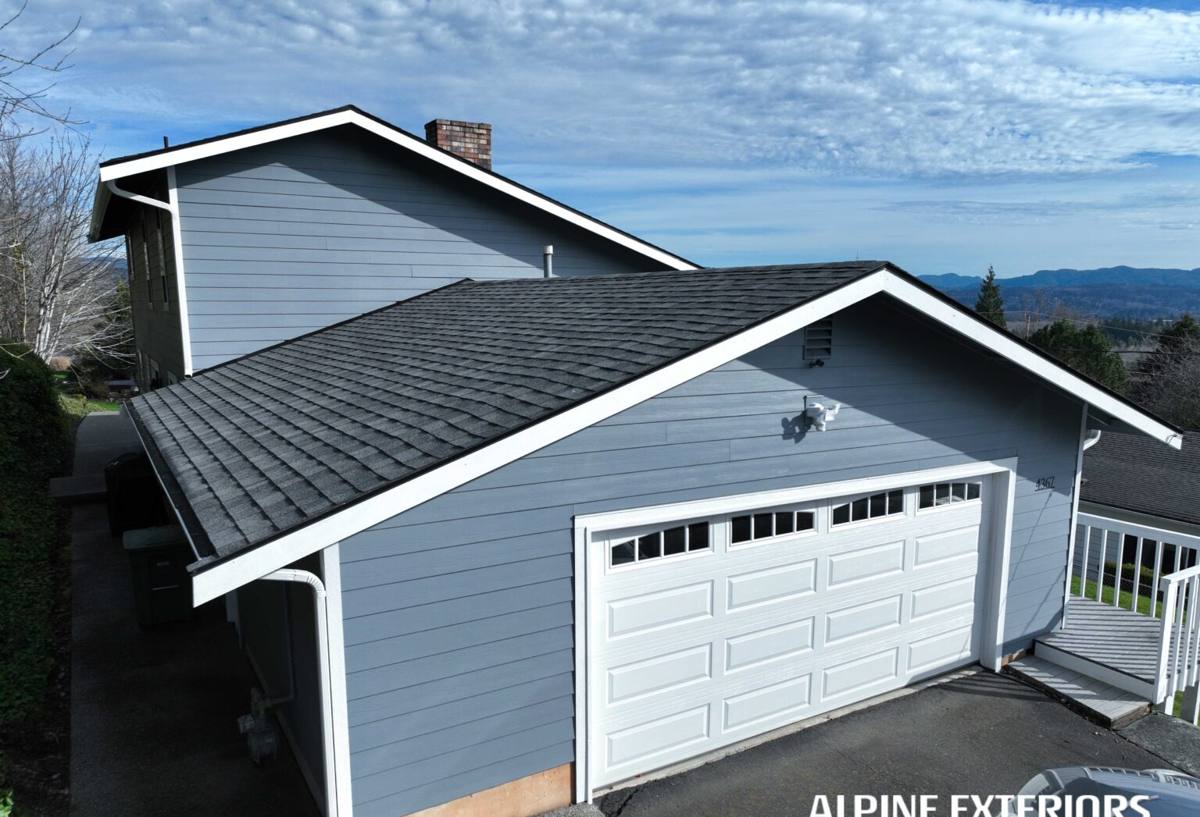
What York Homes Actually Need From a New Roof
Moisture Management Comes First
Before we talk about shingle color or brand, we talk about water. In this climate, the biggest threat to a roof's lifespan isn't wind — it's water that lingers. That means underlayment choice, valley detailing, and ventilation all matter more here than they would in a dry climate. A roof that looks fine from the ground can still be trapping moisture in the attic or letting wind-driven rain migrate under the shingles at the eaves and valleys.
Moss Resistance Has to Be Designed In
Moss doesn't show up because a homeowner did something wrong — it shows up because Whatcom County has the shade, humidity, and mild temperatures moss loves. A correctly installed roof reduces how fast moss takes hold and makes it easier to keep off, through material choice, proper slope detailing, and strategic use of zinc or copper strips where the roof design allows it.
Salt Air Ages Metal Components Faster
Flashing, fasteners, vents, and any exposed metal on a roof near the water corrode faster than the same materials would inland. We account for this in what we spec for flashing and fastener metal, not just what we spec for the shingles themselves.
The Building Blocks of a Correct Roof Installation
A new roof is a system, not a single product. Every layer has a job, and skipping or shortcutting one layer shows up as a problem in five to ten years, not on day one.
- Deck inspection and repair — any soft, delaminated, or water-damaged sheathing gets replaced before anything new goes down. Roofing over a bad deck just hides the problem.
- Ice and water shield at vulnerable points — eaves, valleys, and roof-to-wall transitions get self-adhering waterproof membrane, not just felt, because these are where wind-driven rain finds its way in.
- Synthetic underlayment across the field — a durable, water-resistant layer under the entire roof, providing backup protection if any surface water gets past the shingles.
- Balanced ventilation — intake at the soffits and exhaust at the ridge, sized to move enough air to keep the attic dry and temperature-regulated. Poor ventilation is one of the most common hidden causes of premature roof failure in this climate.
- Proper flashing at every penetration and transition — chimneys, skylights, sidewalls, and vent pipes are common leak points when flashing is reused or undersized.
- Correctly rated shingles or roofing material — matched to the home's exposure, slope, and the owner's priorities on cost, appearance, and longevity.
Choosing the Right Roofing Material for This Area
There's no single "best" roofing material — there's a best fit for a given home's exposure, budget, and roofline. Here's how the common options stack up for a York, Bellingham home specifically.
| Material | How It Handles This Climate | Maintenance Reality | Typical Lifespan |
|---|---|---|---|
| Architectural asphalt shingles | Good performance when paired with proper underlayment and ventilation; algae-resistant granules help with moss and staining | Occasional moss/debris cleaning, especially on shaded slopes | 25–30 years |
| Standard 3-tab shingles | Thinner profile, less wind and impact resistance than architectural shingles | Similar upkeep, shorter service life | 15–20 years |
| Standing seam metal | Sheds water and moss buildup very well due to steep, smooth slope; needs marine-grade coatings near salt exposure | Low, but coating and fastener condition should be checked periodically | 40–50+ years |
| Wood shakes | Traditional look but holds moisture and feeds moss growth readily in this climate | High — regular treatment and moss removal required | 20–25 years with upkeep |
| Composite/synthetic shingles | Good moisture resistance, consistent appearance, resists moss better than wood | Low to moderate | 30–50 years depending on product |
We'll walk through this table in person, against your actual roof's slope, shade, and exposure, rather than recommending one material for every house in York.
Our Installation Process, Step by Step
1. On-Site Assessment
We inspect the existing roof, deck condition, ventilation setup, and any problem areas — moss buildup, staining, soft spots, or past leak history. This is also when we look at slope, tree cover, and prevailing wind exposure, since those drive our recommendations for underlayment and material.
2. Written Scope and Straightforward Pricing
You get a clear scope of what's being torn off, what's being replaced, and what materials are being used — no vague line items. We explain trade-offs honestly, including where a cheaper option is genuinely fine and where it isn't.
3. Tear-Off and Deck Inspection
Old roofing comes off down to the deck so we can actually see what we're building on. Any damaged sheathing is identified and replaced before the new system goes on.
4. Waterproofing and Underlayment
Ice and water shield goes down at eaves, valleys, and transitions; synthetic underlayment covers the rest of the field. This is the layer that protects the home even if something happens to the shingles decades from now.
5. Ventilation Correction
If intake or exhaust ventilation is inadequate — common in older York homes — we correct it as part of the job, not as an upsell afterthought. This step is a major factor in how long the new roof actually lasts.
6. Flashing and Material Installation
New flashing goes in at every penetration and transition. Shingles or panels are installed to manufacturer spec, with attention to nailing pattern, exposure, and alignment — details that affect both wind resistance and warranty validity.
7. Cleanup and Final Walkthrough
Site is cleared of debris and nails (we run a magnetic sweep), and we walk the finished roof with you, including attic ventilation and any details specific to your home.
Signs a York Home Needs a New Roof, Not a Repair
- Granule loss heavy enough to see bare or shiny patches on the shingle surface
- Shingles that are curling, cracking, or lifting at multiple areas rather than one isolated spot
- Persistent moss growth that returns quickly after cleaning, especially on north-facing or shaded slopes
- Daylight visible through the attic roof boards, or damp insulation after rain
- A roof original to a home built more than 20–25 years ago, especially with 3-tab shingles
- Multiple past repairs in different spots rather than one contained issue
If your roof shows one or two of these, a targeted repair may still make sense. If it shows several, a repair is often just delaying the same conversation for another year or two while the deck underneath keeps absorbing moisture.
Why Local Experience in York Specifically Matters
A roofing crew that already works this part of Bellingham knows which slopes hold moss the longest, which roof orientations take the worst of the driving rain, and which older homes in the area tend to have undersized ventilation from when they were built. That's not something you learn from a spec sheet — it's something you learn from doing the work here, on homes with the same exposure as yours. It also means we're not guessing at permit requirements or inspection expectations for Whatcom County; we know the process because we've been through it repeatedly in this area.
Cost Factors Worth Understanding Upfront
| Factor | Why It Affects Price |
|---|---|
| Roof size and number of slopes/valleys | More square footage and more complex geometry mean more material and labor |
| Deck condition | Rotted or delaminated sheathing found during tear-off adds replacement cost, but skipping it isn't an option |
| Material choice | Asphalt, metal, and composite options span a wide cost range, with lifespan and maintenance trade-offs to match |
| Ventilation upgrades | Correcting inadequate intake/exhaust ventilation adds cost but protects the investment long-term |
| Roof pitch and access | Steep or hard-to-access roofs require more safety equipment and labor time |
We give you real numbers for your specific roof rather than a generic range that doesn't hold up once the tear-off starts.
Maintaining Your New Roof Through Moss Season
A properly installed roof is the foundation, but a little seasonal attention keeps it performing as designed. Keep gutters and valleys clear of needles and debris, especially heading into fall's wet stretch. Trim back overhanging branches where practical to reduce shade and debris buildup. If moss appears on shaded slopes, gentle removal methods (not pressure washing, which can strip granules) protect the shingle surface. A yearly visual check from the ground after storm season catches most issues early, before they become bigger repairs.
If you're weighing a new roof for your York home, we're happy to take a look and give you a straight answer about what your roof actually needs — no pressure, no inflated scope. Reach out for a free estimate using the form below.