 Bellingham
 Why Silver Beach Homes Ask More of Their Windows
Silver Beach sits close enough to the water that homes here take a different kind of weathering than houses further inland in Whatcom County. Salt-laden air moves in off Bellingham Bay, wind-driven rain hits window walls at an angle instead of straight down, and the long gray stretch of moss season keeps everything damp for months at a time. Windows are one of the first building components to show the wear from that combination — long before roofing or siding usually does.
That means an "energy-efficient window" for a Silver Beach home isn't just about the glass package. It's about frame material, drainage detail, and installation sequencing that account for constant moisture exposure and salt exposure at the same time. A window that performs well in a dry inland climate can still fail early here if it wasn't chosen and installed with this specific environment in mind.
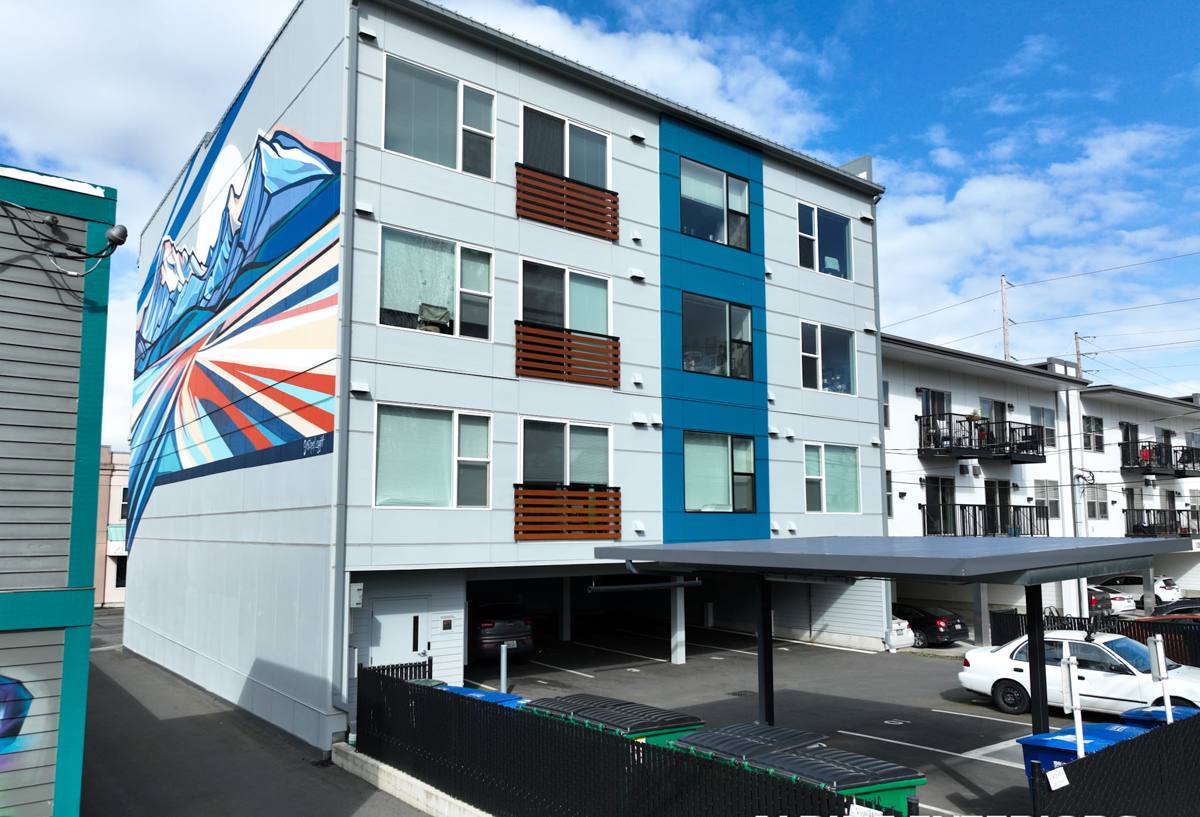
What Salt Air and Driving Rain Actually Do to a Window Over Time
Frame Materials and Corrosion
Salt air accelerates corrosion on metal hardware — hinges, locks, balance systems, and especially aluminum frames or cladding. Once corrosion starts on hardware, windows get harder to open and close smoothly, and seals around moving parts wear unevenly. This shows up faster on homes with more direct bay exposure and open sightlines toward the water.
Seal and Glazing Failure
Wind-driven rain pushes water into places it wouldn't normally reach on a calm-weather installation — under sills, around corner joints, and into any gap where flashing or sealant was installed as an afterthought rather than as part of a planned drainage path. Over time this leads to fogging between glass panes (a sign the seal has failed), soft spots in wood-based frames, and staining on interior sills and drywall below the window.
Moss and Sustained Moisture
Bellingham's moss season isn't just a roofing problem. Prolonged damp conditions around window perimeters keep exterior trim and caulking wet for extended stretches, which speeds up the breakdown of lower-quality sealants and encourages rot in any wood trim that isn't properly primed and back-primed before installation.
What "Energy-Efficient" Should Mean in This Climate
Energy efficiency for a window is described by a handful of numbers, and in a marine climate like ours, two of them matter more than the rest.
- U-factor — measures how well the window resists heat loss. Lower is better for our cool, wet winters where the goal is keeping heat inside.
- Solar Heat Gain Coefficient (SHGC) — measures how much solar heat passes through. Bellingham doesn't get intense direct sun for most of the year, so this matters less here than it would in a sunnier region, but it still affects west-facing rooms in summer.
- Air leakage rating — how much air passes through the window assembly itself. This one directly affects comfort next to a window during windy, wet weather off the bay.
For Silver Beach specifically, we weight U-factor and air leakage heavily, since the bigger comfort and energy problems here come from wind infiltration and sustained cold-wet conditions rather than solar overheating.
Double-Pane vs. Triple-Pane
Double-pane windows with a quality low-E coating and argon gas fill are the standard, cost-effective choice for most homes in this climate and meet current energy code requirements. Triple-pane adds another layer of insulation and can be worth the added cost on north- or water-facing walls that take the brunt of wind and cold, but it's not automatically the right call for every window on every home — we'll walk through where it actually pays off during your estimate rather than upselling it across the board.
Choosing the Right Frame Material for a Bay-Adjacent Home
Frame material matters more here than in a typical inland install, because it determines how the window handles years of salt exposure and constant moisture cycling.
| Frame Material | Salt Air / Moisture Performance | Maintenance | Typical Fit for Silver Beach |
|---|---|---|---|
| Vinyl | Good — won't corrode or rot, though hardware quality still matters | Low | Strong default choice for most homes |
| Fiberglass | Very good — dimensionally stable, resists warping in wet-dry cycling | Low | Good option for higher-exposure walls |
| Wood / Wood-Clad | Vulnerable without diligent maintenance; cladding protects exterior face but exposed wood needs upkeep | High | Best reserved for protected elevations, or homeowners committed to upkeep |
| Aluminum | Prone to corrosion and thermal loss unless thermally broken | Moderate | Generally not our first recommendation on direct-exposure walls |
We're not against wood-clad windows as a category — they have real appeal — but on a home with direct bay exposure, that maintenance burden is worth being upfront about before you commit to it. Our standard is to recommend the material that will actually hold up here, not just the one that looks best in a showroom.
What a Correct Installation Actually Involves
The window unit itself is only part of the job. In this climate, the installation detailing around the window is what determines whether it stays watertight for the next twenty years or starts leaking in five.
Flashing and Drainage Path
Every opening needs a continuous drainage path so any water that does get behind the exterior finish has somewhere to go besides your wall cavity. That means proper flashing tape at the sill and jambs, a sloped sill pan, and integration with the existing weather-resistive barrier — not just caulk around the outside trim.
Air Sealing and Insulation at the Rough Opening
The gap between the window frame and the rough opening needs to be insulated and air-sealed correctly — not overpacked with rigid foam (which can bow the frame) and not left with gaps that let air and moisture track in behind the trim.
Our Installation Checklist
- Remove old window and inspect the opening for hidden rot or moisture damage before proceeding
- Repair or replace any compromised framing or sheathing found during removal
- Install sloped sill pan flashing
- Integrate new flashing with existing house wrap, shingle-style (top layer over bottom)
- Set window level, plumb, and square, and confirm proper reveal at all sides
- Insulate the perimeter gap with appropriate low-expansion foam or fiberglass
- Seal exterior trim with a high-quality, flexible sealant rated for marine/coastal conditions
- Test operation and confirm hardware function before final trim-out
Our Process, From Estimate to Final Walkthrough
Homeowners in Silver Beach are usually comparing a window replacement job against the cost of just living with drafty or foggy windows a while longer. Our process is built to make that decision easier, not more confusing.
- On-site assessment. We look at each window's current condition, check for hidden moisture damage around openings, and note which elevations take the most weather exposure.
- Product recommendation. We walk through frame material and glass package options based on what that specific wall actually needs — not a one-size-fits-all package.
- Written estimate. Clear scope, materials, and timeline, with no pressure to decide on the spot.
- Installation. Following the drainage and air-sealing detailing described above, with old materials removed and disposed of properly.
- Final walkthrough. We test every window with you before we consider the job finished.
Signs Your Current Windows Are Already Behind
Most homeowners don't think about window replacement until something forces the question. In this climate, these are the signs worth acting on rather than waiting out:
- Fogging or moisture trapped between panes — the seal has already failed
- Visible condensation on the inside of the glass during cold, wet weather
- Drafts you can feel standing near the window on a windy day
- Soft or discolored wood trim around the frame
- Windows that stick, or hardware that's become hard to operate
- Noticeably higher heating bills without another clear cause
Why Local Experience in Silver Beach Actually Matters
A crew that mostly works drier, inland areas will often default to installation methods that are perfectly fine there but undersized for what a bay-adjacent Bellingham home deals with. Knowing which elevations on a Silver Beach lot typically take the worst of the wind-driven rain, how quickly moss and moisture build up on north-facing trim, and how salt exposure shows up in hardware first — that's the kind of judgment that only comes from doing this work in this specific area repeatedly. It affects material recommendations, flashing detail, and even the order in which we sequence a multi-window job to minimize how long any opening sits exposed.
Protecting Your Investment After Installation
Energy-efficient windows are a long-term investment, and a little seasonal upkeep goes a long way in this climate.
- Clear moss and debris from window sills and tracks before the wet season sets in
- Rinse salt residue off frames and glass periodically, especially on wind-facing sides
- Check exterior caulking annually and touch up anywhere it's cracked or pulled away
- Keep weep holes on vinyl and fiberglass frames clear so water drains as designed
- Operate hardware periodically through the year so moving parts don't seize up
If you're weighing whether your current windows are still doing their job, or you're planning ahead for a replacement, we're happy to take a look and give you an honest, no-pressure estimate — just fill out the form below.