 Bellingham
 Windows on South Hill Take a Different Kind of Beating
South Hill sits up above the flats of Bellingham, which means most homes here get more direct exposure to weather moving in off the water than houses tucked into lower, more sheltered neighborhoods. That elevation is part of what makes the area desirable, but it also means wind-driven rain hits window assemblies harder, salt-laden air off Bellingham Bay accelerates corrosion on hardware and frames, and the tree canopy common on the hillside keeps things shaded and damp longer through the fall and winter. Add in Whatcom County's long moss season, and you've got a climate that's genuinely tough on window seals, sills, and the wood or trim around them.
None of that is a reason to panic about your windows. It's a reason to make sure whoever replaces them understands how this specific combination of salt, wind, rain, and moss actually breaks windows down over time, not just how to swap a unit and caulk the edges.
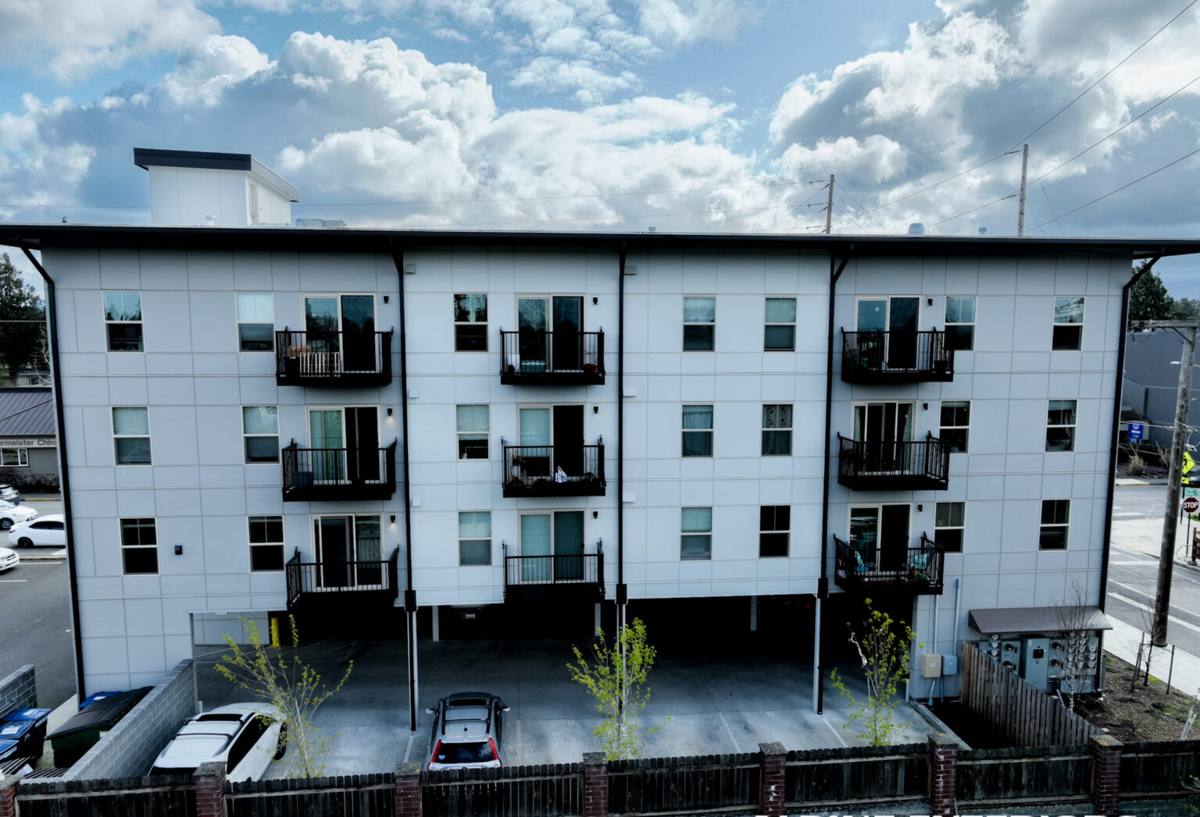
How Bellingham's Climate Actually Damages Windows
Salt Air and Hardware Corrosion
Even a few miles inland from Bellingham Bay, airborne salt settles on window hardware, screen frames, and exposed fasteners. Over years, this corrodes cheaper aluminum and steel components, causes latches and cranks to stiffen or seize, and can pit finishes on lower-grade vinyl and metal cladding. It's slow, and it's easy to miss until a window won't latch properly anymore.
Driving Rain and Water Intrusion
Wind-driven rain doesn't just hit a window head-on — it gets pushed sideways and upward into gaps that would never see water in calmer climates. On an exposed hillside lot, that means flashing details and sill pans matter more than they would on a sheltered site. A window that's "close enough" on installation in a mild climate can still fail here within a few winters.
Moss, Shade, and Prolonged Moisture
Tree cover keeps siding and trim around windows damp for longer stretches, which is exactly what moss and mildew need to take hold. Moss on nearby siding or trim holds moisture against the wall assembly, and that moisture migrates toward window openings and frames if the surrounding wood isn't sealed and maintained.
Signs Your South Hill Home's Windows Need Attention
- Visible fogging or a hazy film between the panes of double-pane glass — the seal has failed
- Soft, spongy, or discolored wood trim or sill around the window frame
- Windows that are noticeably harder to open, close, or latch than they used to be
- Cold drafts near the frame even when the window is fully closed and latched
- Visible corrosion or pitting on hardware, cranks, or hinges
- Moss or dark staining creeping toward the window opening from adjacent siding
- Noticeably higher heating bills without another obvious explanation
- Paint or finish that's peeling or bubbling on the interior sill, a sign moisture is getting in somewhere
What a Correct Window Replacement Job Actually Involves
Window replacement is not just unscrewing an old unit and screwing in a new one. In a climate like ours, the details around the window matter as much as the window itself.
Removal and Inspection
Once the old window comes out, we check the rough opening for hidden rot, moisture damage, or deteriorated framing before anything new goes in. This is often the first real look anyone's had at that framing in years, and on older South Hill homes it's not unusual to find some degree of moisture damage that needs to be addressed before a new window goes in — installing a new window over a compromised opening just guarantees a repeat problem.
Flashing and Water Management
Proper flashing — at the sill, jambs, and head of the opening — is what actually keeps driving rain out, not just caulk. We integrate flashing with the existing weather-resistive barrier so water is directed out and away from the wall assembly, not trapped behind the new window.
Sealing and Insulation
Gaps around the new unit get properly insulated and sealed, both for energy efficiency and to eliminate air and moisture pathways. Over-filling with the wrong material can actually bow window frames, so this step takes some judgment, not just a can of spray foam.
Interior and Exterior Finish Work
Trim, casing, and sill work get finished cleanly on both sides, with attention to sealing any wood trim against future moisture exposure — a real consideration given how much moss and mildew pressure this area sees.
Choosing the Right Window for a South Hill Exterior
Material choice matters more here than in drier climates, because whatever you choose needs to handle years of salt air, rain, and shaded dampness without becoming a maintenance headache.
| Frame Material | How It Handles Our Climate | Maintenance Considerations |
|---|---|---|
| Vinyl | Good moisture and corrosion resistance; won't rot or rust | Low maintenance; quality varies significantly by manufacturer |
| Fiberglass | Excellent dimensional stability in wet, temperature-swinging conditions | Low maintenance; higher upfront cost |
| Wood (clad exterior) | Attractive, but the exterior cladding is doing the weather-resistance work | Interior wood still needs periodic attention; cladding quality matters a lot here |
| Aluminum | Prone to condensation and, in salt air, to corrosion over time unless well-finished | We're selective about where we recommend it for this reason |
We're upfront about trade-offs like these rather than pushing whatever's cheapest to install. A window that saves money today but needs hardware replaced or seals redone in five years because it wasn't suited to salt air and driving rain isn't actually the better deal.
Our Process for South Hill Window Replacement
- On-site assessment — we look at your existing windows, their exposure (which sides of the house take the most wind and rain), and any visible moisture or moss issues nearby
- Honest recommendation — we talk through frame material, glass options, and where corners genuinely can and can't be cut for your specific home and budget
- Written estimate — clear pricing, no surprise add-ons sprung on you mid-project
- Careful removal — protecting your interior and landscaping, and inspecting the opening as soon as the old unit is out
- Proper installation — flashing, insulation, and sealing done to hold up against driving rain, not just pass a quick visual check
- Finish work and walkthrough — trim finished cleanly, and we walk you through the new windows' operation and any care they need
Why Local Experience on South Hill Specifically Matters
A crew that's worked hillside homes in this part of Bellingham already understands things a contractor from outside the area has to learn on your dime: which exposures on a given lot take the worst of the wind and rain, how much moss and shade pressure to expect from mature tree cover, and how salt air off the bay tends to age hardware and finishes faster than manufacturers' generic climate ratings assume. That experience shows up in small decisions — flashing details, sealant choices, hardware selection — that don't show up on a spec sheet but make a real difference five or ten years down the line.
It also means we're not guessing at what "normal wear" looks like for windows in this specific setting versus what's actually a sign of a problem starting.
What Affects the Cost of Window Replacement Here
| Factor | Why It Matters |
|---|---|
| Number and size of windows | Straightforward driver of material and labor cost |
| Frame material selected | Vinyl, fiberglass, and clad-wood options span a wide price range |
| Condition of the existing opening | Hidden rot or moisture damage found during removal adds repair work before the new window goes in |
| Access and height | Hillside lots and multi-story homes can add labor complexity |
| Trim and finish scope | Full interior/exterior trim replacement costs more than reusing sound existing trim |
| Glass package | Additional glazing or coatings for efficiency and noise add to unit cost |
We give you a broad honest range early on based on what we see, and a firm written number once we've assessed the openings up close — not a lowball estimate that grows once work starts.
Keeping New Windows Performing in This Climate
- Rinse salt residue and grime off exterior frames and glass a couple times a year, more often if your home faces open water or wind
- Keep gutters and downspouts clear so water isn't running down the wall and pooling near window heads and sills
- Trim back tree branches and vegetation that shade window areas and keep them damp longer than necessary
- Check weep holes on vinyl and fiberglass frames periodically to make sure they're not clogged with debris or moss
- Address any moss or mildew on nearby siding promptly rather than letting it spread toward window trim
- Exercise locks and cranks a few times a year so hardware doesn't seize from disuse plus corrosion
If your South Hill home's windows are drafty, fogging, hard to operate, or just due for an honest look, we're happy to come out, take a look, and give you a straightforward assessment with no pressure attached. The estimate is free — reach out through the form below and we'll get something scheduled.