 Bellingham
 Board & Batten in York: A Style That Has to Earn Its Keep
Board and batten has become one of the most requested siding profiles in the Bellingham area, and York is no exception. The vertical lines read as clean, modern, and a little bit farmhouse all at once, which is why it shows up on new builds and full re-sides alike. But in this part of Whatcom County, board and batten isn't just a look you pick off a mood board — it's a siding system that has to hold up against salt-laden wind off the water, long stretches of driving rain, and a moss season that can run most of the year. A crew that treats it purely as an aesthetic choice, without respecting what the material and the details underneath it have to do, is setting a homeowner up for problems in five to ten years instead of thirty.
This page is specifically about board and batten siding for homes in and around York. We're not going to give you the generic national rundown — we're going to talk about what this profile needs to do here, what a correct installation actually involves, and why a crew that already works in this neighborhood brings something a drive-in outfit can't.
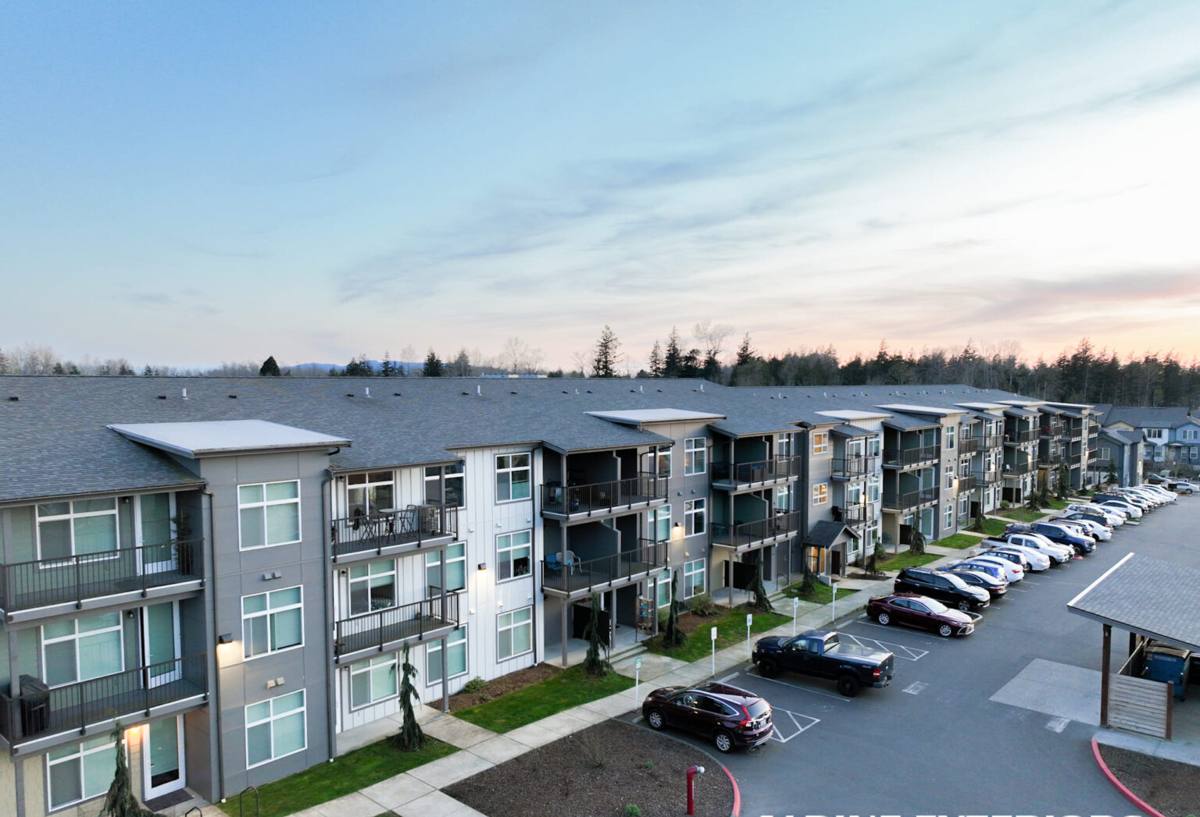
What Bellingham's Climate Actually Does to This Profile
Board and batten siding has more seams than a lap or panel product — every batten strip creates a joint, and every joint is a place water can find its way behind the cladding if it isn't detailed correctly. In a climate with occasional dry summers, that might not matter much. In Whatcom County, it matters a great deal.
Salt Air
Homes closer to the water pick up salt-laden air that accelerates corrosion on fasteners, flashing, and any exposed metal trim. Over years, a batten system fastened with the wrong hardware or lacking proper flashing at transitions can show rust streaking, fastener pop, and eventually paint failure right where the salt air concentrates — usually on the windward side of the house.
Driving Rain
Bellingham doesn't just get a lot of rain — it gets a lot of wind-driven rain, which behaves very differently than a straight-down shower. Wind-driven rain gets pushed sideways and upward into seams, laps, and butt joints that would stay dry in a calmer climate. Board and batten, with its vertical battens and horizontal butt joints between courses, has more of these vulnerable points than a standard lap siding job, which is exactly why the water-resistive barrier, flashing, and fastening details behind the boards matter as much as the boards themselves.
Moss and Sustained Moisture
Long, cool, damp stretches are ideal moss and mildew conditions, especially on north-facing walls and anywhere tree cover keeps a wall shaded and slow to dry. Moss holds moisture against the surface for extended periods. On a material that swells, delaminates, or wicks water, that constant dampness is a slow-motion failure. On a material engineered to resist moisture intrusion and finished with a factory coating, it's mostly a cleaning issue, not a structural one.
Why the Material Underneath the Battens Matters More Than the Look
A lot of board and batten failures we get called out to inspect aren't failures of the design — they're failures of the material or the installation. Board and batten is often built using engineered wood products, primed spruce, or vinyl panel systems designed to mimic the look. Each of those comes with real trade-offs once you put them in a wet, salt-air climate for years on end:
- Primed spruce and unfinished wood need ongoing paint maintenance, and any gap in that maintenance schedule lets moisture into end grain and joints quickly.
- Engineered wood composites vary widely in how well they resist moisture at cut edges and fastener penetrations — the factory coating protects the face, but every field cut is a potential entry point unless it's sealed correctly, every time.
- Vinyl board and batten systems don't rot, but they expand and contract more with temperature swings, can crack in cold snaps, and fade unevenly over time, which is a particular problem on a profile where color consistency between boards is very visible.
We made the decision to install James Hardie fiber cement exclusively, on every siding job we do, including board and batten. It's a non-combustible material that doesn't feed on moisture the way wood-based products can, it's engineered specifically for Pacific Northwest conditions, and it carries a factory finish that removes a lot of the maintenance burden that wears down other systems in a climate like this one.
The James Hardie Board & Batten System We Install
James Hardie makes board and batten achievable with fiber cement in a couple of configurations — vertical panel siding with separate battens, or a true board and batten look built from individual boards and battens installed over a compatible weather barrier. Both use the same core material: Portland cement, sand, and cellulose fiber, autoclaved into a dense, stable board that doesn't swell, cup, or rot the way wood-based sidings can.
HZ5 Engineering for This Climate
Hardie's HZ5 product line is engineered for climates with freeze-thaw cycling and sustained moisture exposure — which describes Whatcom County well. It's built to resist moisture-related damage and hold its dimensional stability through the wet winters and the drier summers this area gets.
ColorPlus Factory Finish
Instead of field-painting boards after installation — which is where a lot of moisture problems start, at unsealed cuts and edges — Hardie's ColorPlus finish is baked on at the factory in multiple coats, backed by its own finish warranty. That matters even more on board and batten than on lap siding, because the vertical battens create more visible seams where a mismatched or thin field-applied paint job would show.
Warranty Backing
Hardie fiber cement carries a strong transferable limited warranty on the substrate, which matters to homeowners planning to sell within the warranty period, and it's part of why we can stand behind the material with confidence rather than caveats.
What a Correct Board & Batten Installation Actually Involves
The single biggest driver of premature siding failure isn't the product — it's installation details that get rushed or skipped. Board and batten has more of these details than most profiles because of the extra vertical seams. Here's what we treat as non-negotiable on every job:
| Step | Why It Matters in Bellingham |
|---|---|
| Weather-resistive barrier, correctly lapped | Provides the actual water management layer behind the cladding — the siding sheds most water, the barrier handles what gets past it |
| Rainscreen or furring strategy | Creates a drainage gap behind the siding so wind-driven rain and condensation can drain and the wall can dry, instead of staying trapped against damp battens |
| Flashing at every horizontal transition | Windows, doors, roof lines, and butt joints are where driving rain finds a way in if flashing is missing or undersized |
| Correct fastener type and spacing | Corrosion-resistant fasteners driven per manufacturer spec resist salt-air corrosion and keep boards secure through wind events |
| Sealed and primed field cuts | Every cut edge exposes raw material — sealing it protects against the moisture that causes edge swelling and paint failure |
| Proper batten spacing and fastening | Battens fastened through to framing, not just face-nailed to the panel, keep the whole assembly stable through freeze-thaw cycling |
Skip any one of these and the siding can still look right on installation day — the problems show up two, five, or ten years later, usually as staining, soft spots, or paint failure concentrated exactly where the detail was missed.
Our Process for York Homes
Every board and batten project we take on in the York area follows the same sequence, because skipping steps is where problems start:
- On-site assessment — we walk the existing siding, check for rot, moisture damage, and trim condition, and look at sun and wind exposure specific to that lot.
- Detailed estimate — a written scope covering tear-off (if needed), water barrier work, flashing, board and batten material, fasteners, and finish, so there's no ambiguity about what's included.
- Prep and moisture check — sheathing gets inspected once old siding is off, and any damaged material gets addressed before anything new goes on.
- Weather barrier and drainage plane installation — this is the layer that does the real water management work, and it's not visible once the job is done, which is exactly why it has to be right the first time.
- Flashing and trim — windows, doors, and transitions get flashed before boards go up around them.
- Board and batten installation — Hardie boards and battens fastened to spec, with sealed field cuts and correct spacing throughout.
- Final walkthrough — we go over the finished siding with the homeowner, point out anything worth knowing for long-term care, and answer questions before we consider the job done.
What Drives the Cost of a Board & Batten Project
Board and batten typically costs somewhat more than standard lap siding per square foot, mostly due to the extra material (separate battens) and additional labor for the added seams and fastening points. Actual pricing depends on:
| Factor | Impact on Project |
|---|---|
| Home size and wall complexity | More corners, dormers, and transitions mean more cutting, flashing, and labor time |
| Tear-off vs. new construction | Removing and disposing of existing siding adds labor and may reveal sheathing repairs |
| Current sheathing condition | Rot or water damage found during tear-off needs to be repaired before new siding goes on |
| Trim and detail package | Corner boards, window trim, and fascia detailing scale with the home's architectural detail |
| Access and site conditions | Tight lots, multi-story walls, or limited staging area affect scaffolding and labor time |
We give a written, itemized estimate before any work starts, so a homeowner knows exactly what's driving the number rather than a single lump figure.
Keeping Board & Batten Siding Looking Right, Long-Term
Hardie fiber cement with a ColorPlus finish is genuinely low-maintenance compared to wood-based board and batten, but "low-maintenance" isn't "no-maintenance." A short annual routine keeps it performing the way it's designed to in this climate:
- Rinse the siding down once or twice a year to clear pollen, road grime, and the early stages of moss or mildew before it takes hold
- Check north-facing and shaded walls specifically — that's where moss establishes first in this climate
- Inspect caulking at window and door trim annually and re-caulk any joints that have opened up
- Keep gutters clear so overflow isn't running down a wall section repeatedly
- Trim back vegetation and tree cover that keeps a wall section shaded and slow to dry
- Watch for any fastener staining or discoloration near the coast-facing side of the house and have it looked at early rather than waiting
Why a Crew That Already Works in York Matters
Board and batten done right depends on details that don't show up in a photo — the drainage plane behind the boards, the flashing at every transition, the fastener spec that resists salt air instead of just holding the board up for a season. A crew that's already worked on homes in this specific area has seen how the wind comes off the water, which walls take the worst of the driving rain, and where moss shows up first on a north face in this particular microclimate. That's not something you get from a national install manual — it's something you get from doing the work here, repeatedly, and paying attention to what holds up and what doesn't.
We install James Hardie fiber cement exclusively because we've seen what holds up in Whatcom County conditions over the long run, and board and batten is one of the profiles where the difference between a correct installation and a rushed one shows up fastest. If you're considering board and batten siding for a home in the York area, we're happy to come take a look, walk the exterior with you, and put together a straightforward, no-pressure estimate — just fill out the form below to get started.